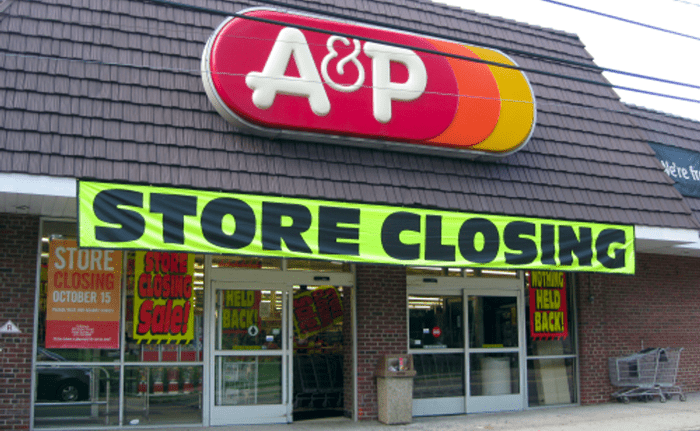
A&P – What Happened?
The Great Atlantic & Pacific Tea Company, commonly known as A&P, was a historic American grocery chain that operated between 1859 and 2015.
It maintained its position as the preeminent grocery retailer in the United States from 1915 to 1975, and stood as the largest American retailer in any category until 1965
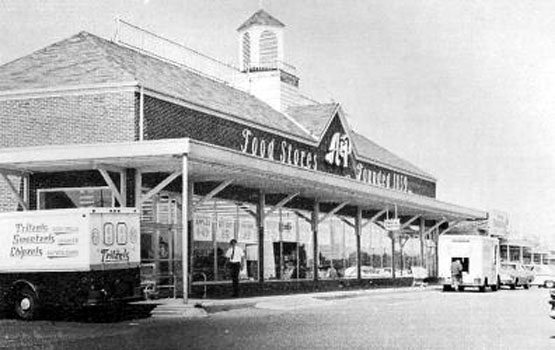
Regarded as an American icon, A&P was widely recognized, commanding 10% of total grocery spending in the United States during the 1940s.
Its pioneering approach to grocery retail transformed the shopping experience for millions, as it implemented self-service models that encouraged customers to browse the aisles freely, a novel concept at the time.

This shift not only contributed to the company’s impressive market share but also set the stage for the modern supermarket era. A&P stores dotted the landscape from bustling urban centers to quaint suburban neighborhoods, making it a familiar fixture in the daily lives of American families, and its extensive product offerings catered to diverse consumer needs, further solidifying its place in the hearts of shoppers across the nation.

Renowned for its innovative practices, A&P played a pivotal role in shaping consumers’ dietary habits by offering a wide range of food products at significantly lower prices, which not only made quality food accessible to a broader audience but also influenced the development of grocery shopping as a fundamental part of modern life.
By introducing a variety of brands and product choices, A&P empowered consumers to make informed decisions about their purchases, leading to healthier eating patterns and greater culinary diversity within households.
Additionally, the company’s commitment to affordability and quality fostered a competitive landscape among retailers, prompting others to adapt and improve their offerings, which ultimately benefitted the entire market and contributed to changing perceptions around value in grocery shopping.

Additionally, until 1982, A&P was a major player in the food manufacturing sector.
A&P Company Roots
The company’s roots trace back to its founding in 1859 as “Gilman & Company” by George Gilman.
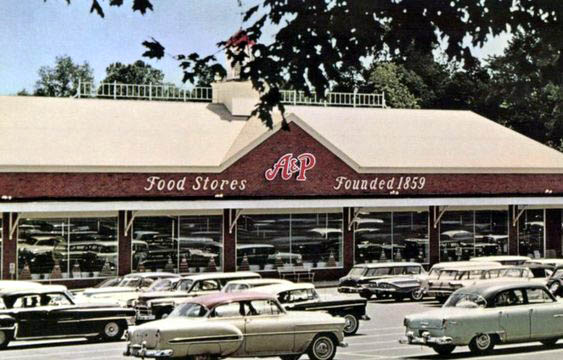
Starting with a small chain of tea and coffee retail stores in New York City, A&P expanded its reach to become a national mail-order business.
By 1878, the company had grown to encompass 70 stores, and by 1900, it operated close to 200 stores.
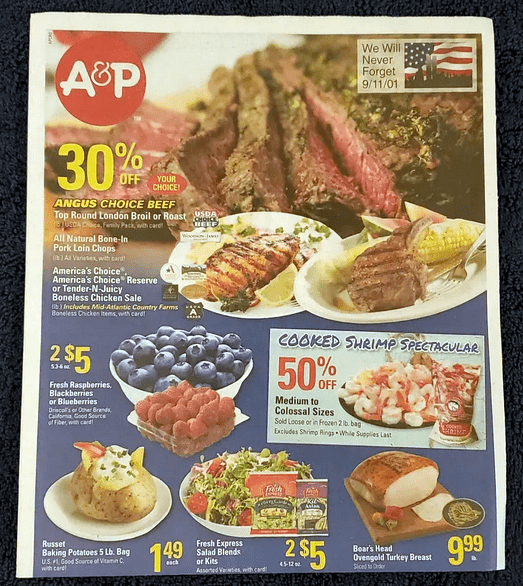
A&P saw significant growth after introducing economy stores in 1912, reaching 1,600 stores by 1915.
After World War I, the company expanded to include meat and produce in its stores while also growing its manufacturing ventures.
Ahhh, The Smell of Coffee!
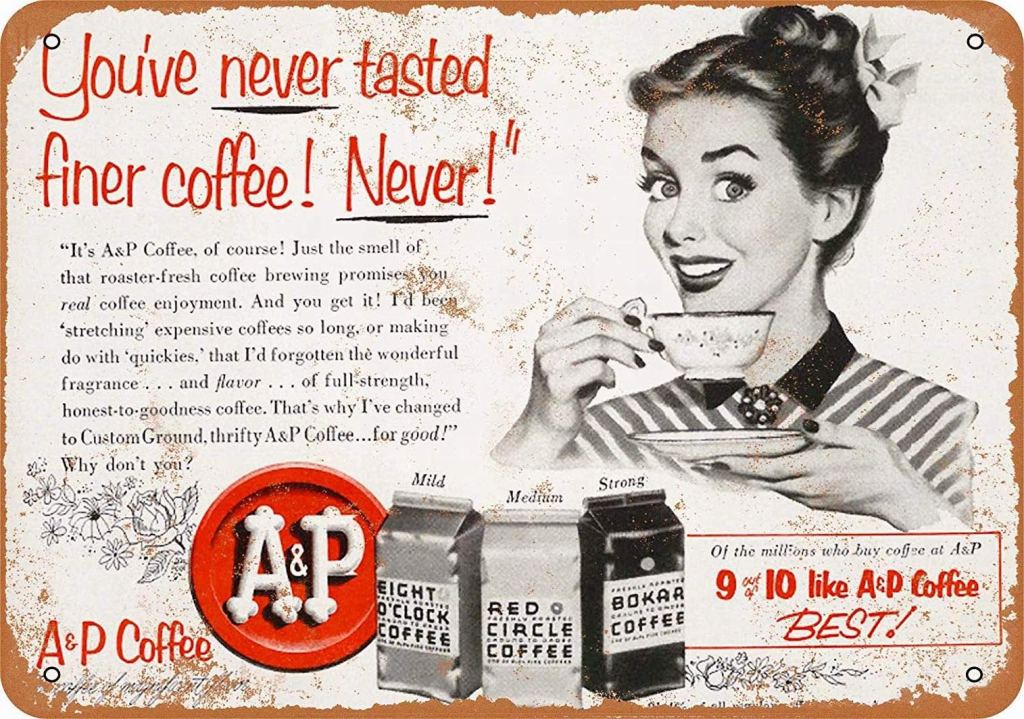
At its inception, A&P operated in an era where food products were not yet branded, and retailers primarily sold food items in bulk.
The company, breaking new ground, became one of the pioneers in offering a branded pre-packaged food product in 1870 with the introduction of “Thea-Necter” brand tea.
By 1885, the name “A&P” made its debut on containers of baking powder. Concurrently in the 1880s, the company embraced the moniker “Eight-O’Clock” for its coffee.
In a strategic move in 1907, when it relocated its headquarters to Jersey City, New Jersey, the new facilities included a bakery and a coffee-roasting operation.
A&P: Closing the Chapter
In 1930, A&P, already the world’s largest retailer, achieved $2.9 billion in sales (equivalent to $50.8 billion today) across its 15,000 stores.
Embracing the self-serve supermarket model in 1936, A&P opened 4,000 larger stores by 1950 while phasing out many smaller units.
Despite facing two bankruptcies, A&P ultimately closed its last stores in 2015, concluding a significant chapter in the history of American retail.
Why Did A&P Fail?
- Outdated Business Model: A&P failed to keep up with changing consumer preferences and the evolving grocery industry, resulting in outdated business operations compared to more modern and efficient competitors.
- Lack of Innovation: A&P didn’t invest in technologies to enhance the shopping experience and operational efficiency, making it hard to compete with more technologically advanced rivals.
- Heavy Debt: A&P carried a significant amount of debt, which limited its financial flexibility and ability to invest in necessary upgrades. High debt levels can be a burden on a company, especially in a competitive industry where staying current is crucial.
- Intense Competition: The grocery industry is highly competitive, with large players like Walmart, Kroger, and regional supermarket chains. A&P faced stiff competition, and its inability to keep up with rivals in terms of pricing, promotions, and variety contributed to its downfall.
- Labor Issues: A&P faced long-standing labor problems, such as disputes with unions over wages and benefits, resulting in operational disruptions, strikes, and higher operational costs, which further impaired the company’s competitive ability.
- Failure to Build Customer Loyalty: A&P struggled to build and maintain customer loyalty. Many customers migrated to other supermarkets that offered better value, more appealing shopping experiences, and loyalty programs.
- Real Estate Challenges: A&P owned a significant amount of real estate, and the management’s decisions regarding property leases and closures were not always strategically sound. Poor real estate decisions can have a long-term impact on a company’s financial health.
- Management Issues: A series of management changes and leadership issues at A&P also played a role in the company’s decline. Lack of consistent and effective leadership can make it difficult for a company to navigate challenges successfully.
Summary
Ultimately, A&P’s downfall was the result of a compounding crisis: an antiquated business model, staggering debt, and entrenched management issues.
The grocery sector demands rapid adaptation to shifting consumer habits, but A&P’s inability to innovate, resolve labor disputes, and modernize its real estate left it vulnerable to fierce competition and destroyed its customer loyalty
Leave a Reply

Spanish Bar Cake: Authentic Recipe
A&P Supermarkets’ Spanish Bar Cake is a nostalgic treat that has delighted generations of customers. This beloved dessert combines the richness of a moist, cinnamon-spiced cake with a generous layer of sweet, raisin-studded icing. Its distinctive rectangular shape and iconic yellow packaging evoke a sense of nostalgia for those who grew up enjoying it. A…
Keep reading
Please leave your comments in the “Leave a Reply” section at the bottom of this page