Rise and Fall
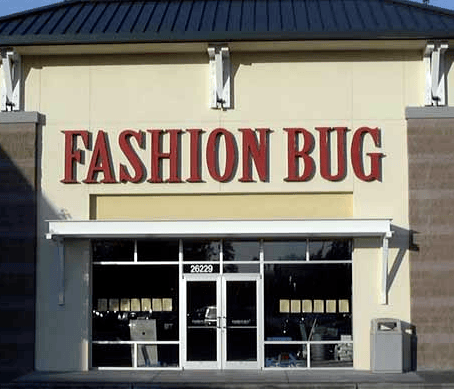
In the ever-evolving landscape of retail, some brands leave an indelible mark while others fade into obscurity. One such brand that once captivated fashion enthusiasts across America was Fashion Bug. From its humble beginnings to its eventual decline, the story of this retailer mirrors the dynamic nature of the fashion industry itself.
Please leave your comments in the “Leave a Reply” section at the bottom of this page
The Rise of Fashion Bug
Fashion Bug was founded in 1960 by the husband-and-wife duo, Roman and Ethel Comunale, in the suburbs of Philadelphia. Initially known as Fashion Shop, the store aimed to provide affordable yet stylish clothing for women. With a focus on offering a wide range of sizes to cater to all body types, Fashion Shop quickly gained popularity among shoppers seeking trendy apparel at accessible prices.
As the business grew, the Comunales rebranded their store to Fashion Bug in the 1970s, signaling a renewed commitment to staying ahead of fashion trends while maintaining affordability. The brand’s expansion into multiple locations across the United States solidified its position as a go-to destination for budget-friendly fashion.

Fashion Bug: The Height of Success
By the 1980s and 1990s, Fashion Bug had become a household name, with over 1,000 stores nationwide. Its success was attributed not only to its affordable pricing but also to its ability to adapt to changing fashion trends rapidly. From casual wear to formal attire, Fashion Bug offered a diverse selection that appealed to women of all ages and sizes.
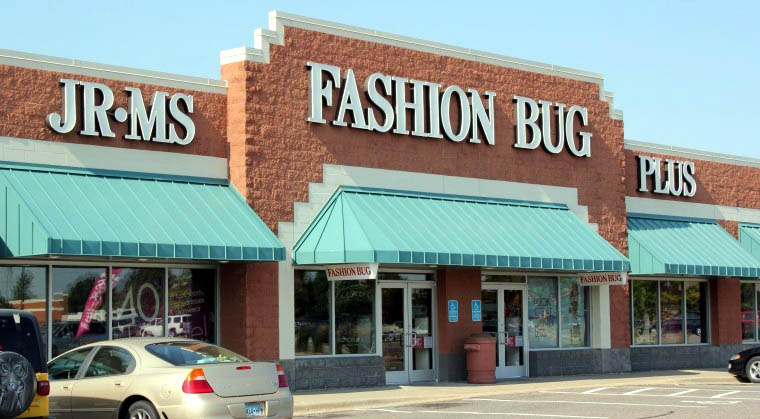
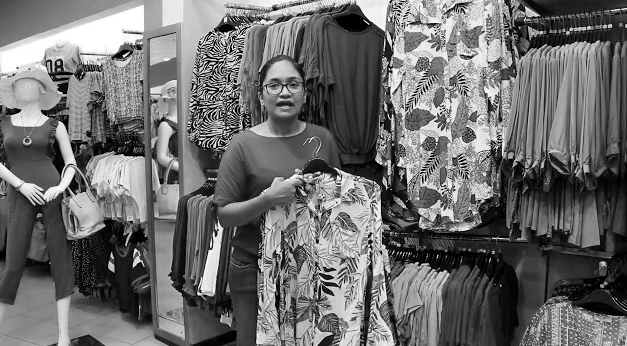
Moreover, Fashion Bug’s inclusive approach to sizing set it apart from many other retailers. At a time when the fashion industry predominantly catered to standard sizes, Fashion Bug celebrated diversity by offering plus-size clothing options, making fashion accessible to a broader demographic.
The Fall from Grace
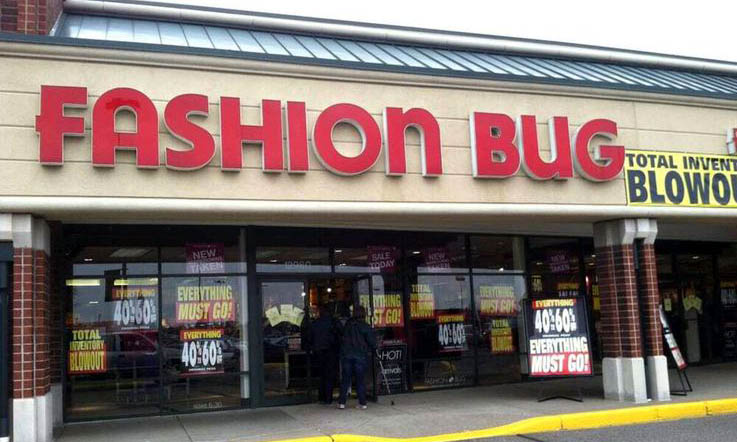
Despite its early success, Fashion Bug began to face challenges in the early 2000s. The rise of fast fashion competitors and the shift towards online shopping posed significant threats to its traditional brick-and-mortar business model. Additionally, changes in consumer preferences towards more sustainable and ethically produced clothing further strained the retailer’s ability to compete.
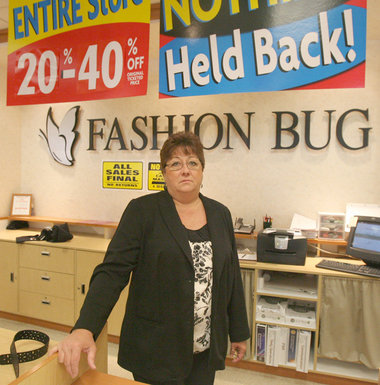
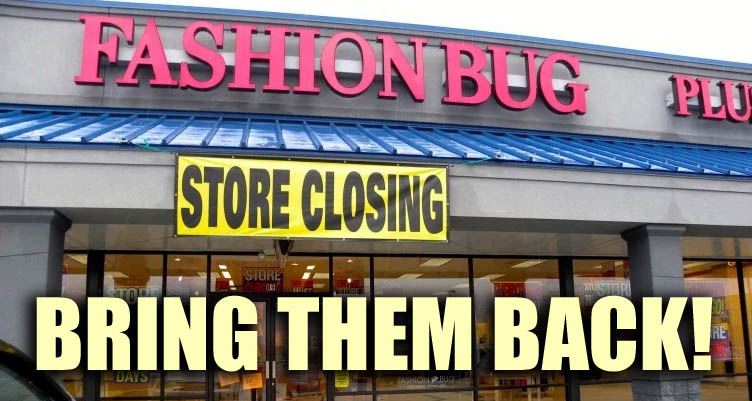
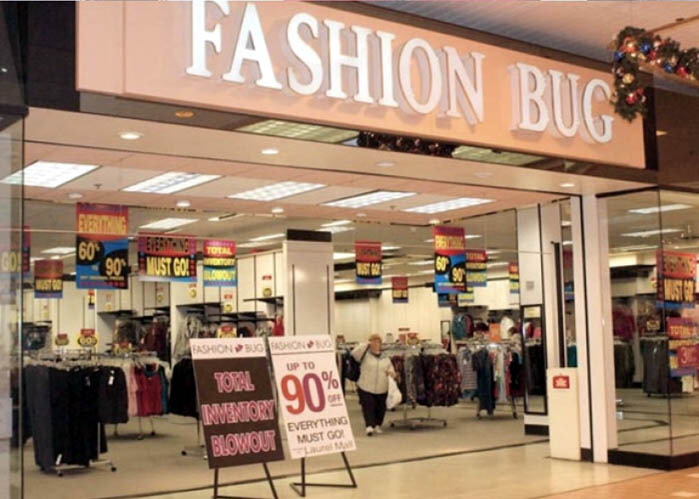
In 2012, Ascena Retail Group, the parent company of Fashion Bug, made the decision to close all remaining stores. The once-thriving brand, which had been a staple in many communities for decades, quietly faded into history.

Fashion Bug: Lessons Learned
While Fashion Bug may no longer grace the storefronts of shopping malls, its legacy endures. The brand’s commitment to providing affordable and inclusive fashion paved the way for future retailers to prioritize accessibility and diversity. Additionally, the retailer’s rise and fall serve as a reminder of the importance of adaptation and innovation in the ever-changing retail landscape.
The story of this retailer is a testament to the cyclical nature of fashion and retail. From its modest beginnings to its eventual decline, they left an indelible mark on the industry, reminding us that in the world of fashion, change is inevitable, but the impact of a brand’s legacy can endure for years to come.

Please leave your comments in the “Leave A Reply” section at the bottom of this page