What Happened To Frito Bandito?
Frito Bandito: In the world of advertising, some campaigns leave an indelible mark, shaping not just consumer preferences but also societal perceptions.
One such figure that stirred both acclaim and controversy is the Frito Bandito.
Please leave your comments in the “Leave a Reply” section at the bottom of this page
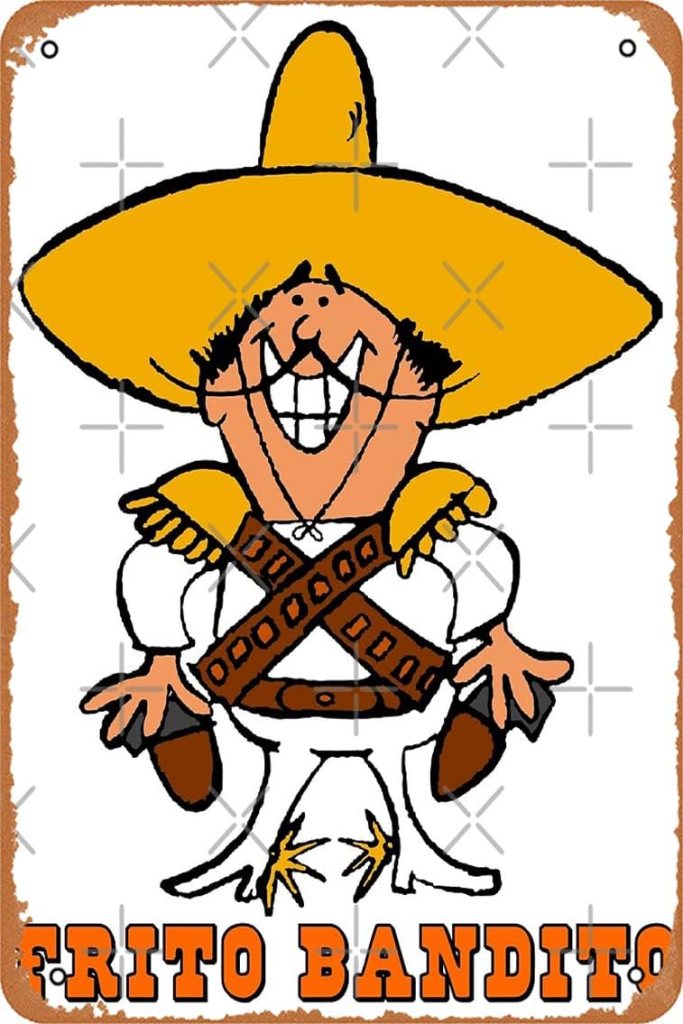
With his sombrero, bandoliers, and thick accent, this character became an icon for Fritos corn chips but also sparked debates about racial stereotypes and cultural appropriation.
Let’s delve into the history, impact, and legacy of the Frito Bandito.
The Birth of Frito Bandito
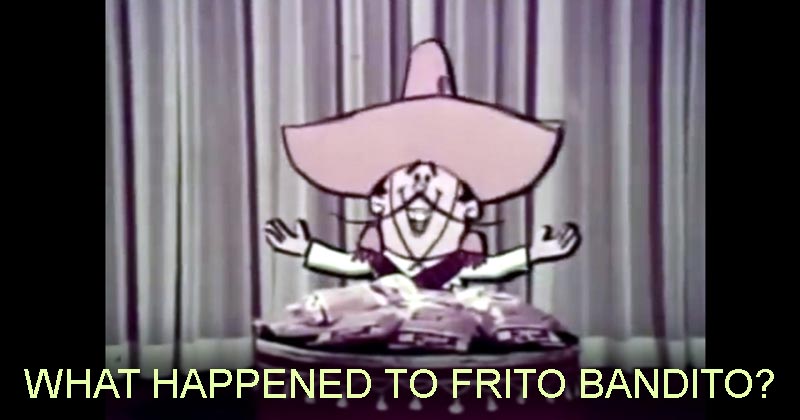
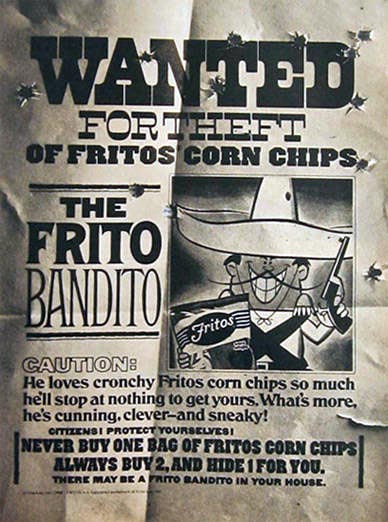
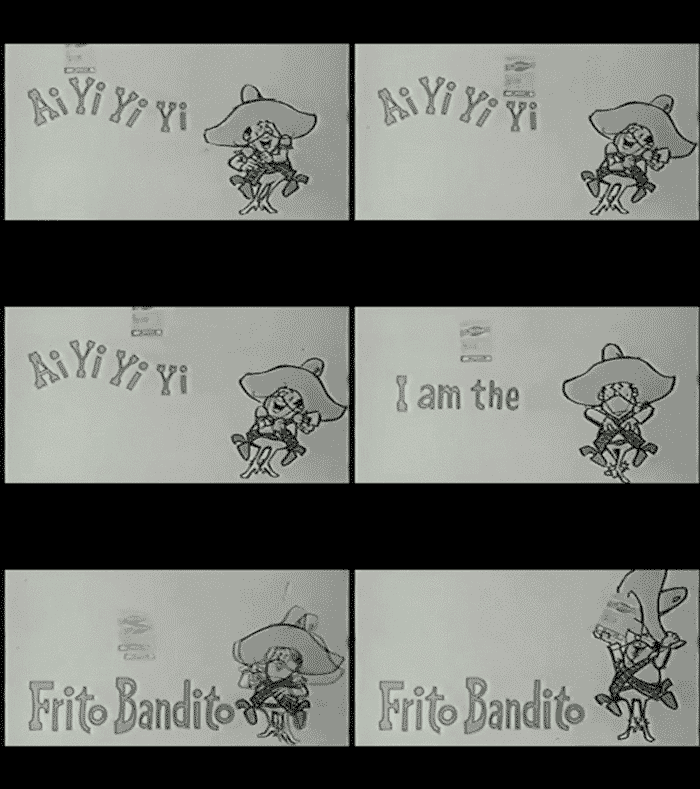
Frito Bandito was created in the 1960s as the advertising mascot for Fritos corn chips, developed by the advertising agency Dancer Fitzgerald Sample.
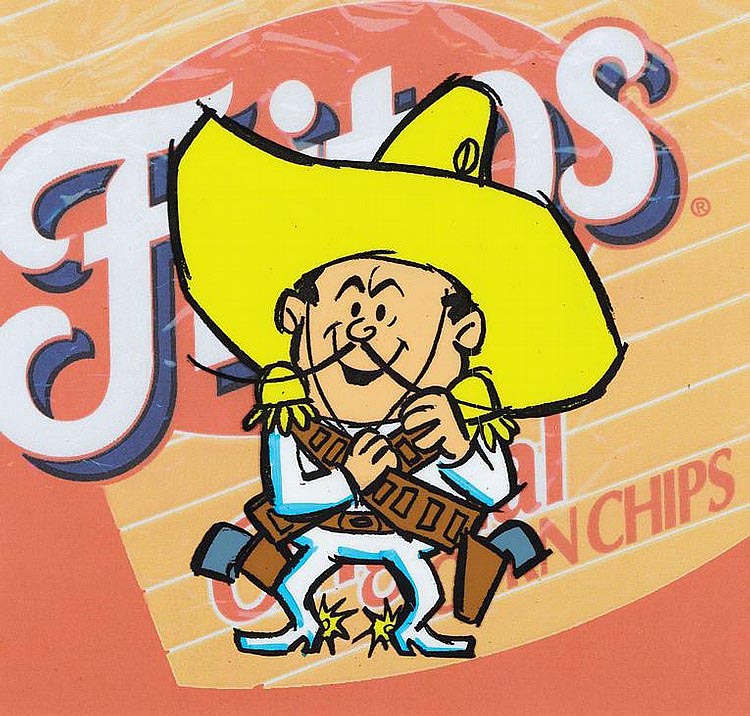
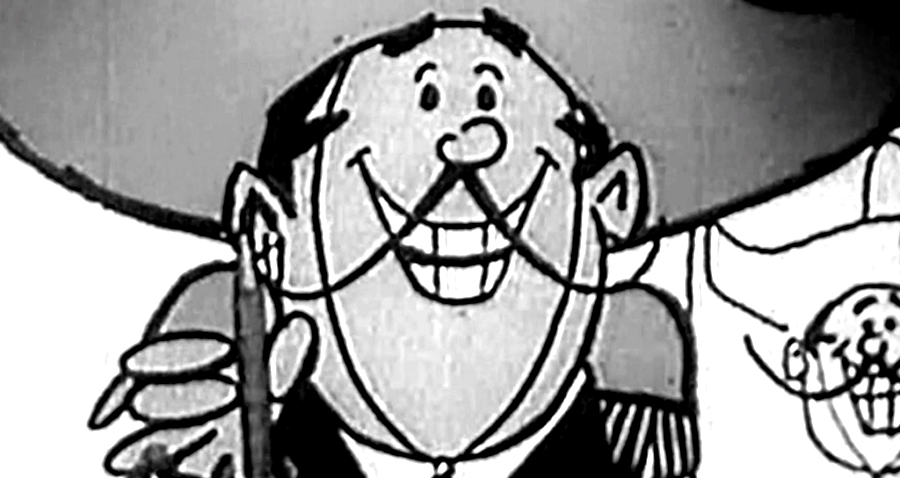
He was depicted as a daring Mexican bandit, a figure larger than life, adorned with a magnificent mustache that seemed to dance in the wind, a flamboyant sombrero perched jauntily upon his head, and a gleaming gold tooth that flashed with mischief.

Voiced by actor Mel Blanc, known for voicing iconic characters like Bugs Bunny and Daffy Duck, the Frito Bandito quickly became a recognizable figure in American households.
Controversy and Criticism:
While the Frito Bandito campaign achieved commercial success, it was not without its share of controversy.
The character was criticized for perpetuating negative stereotypes of Mexican people, portraying them as lazy, criminal, and unkempt.
Moreover, the use of a fictional bandit to sell snacks was seen as insensitive and culturally inappropriate, especially considering the fraught history of stereotypes and discrimination faced by Mexican Americans.
Mounting Pressure
Amid mounting pressure and criticism, Frito-Lay, the parent company of Fritos, eventually retired the Bandito campaign in the early 1970s.
The decision came as part of a broader shift in advertising towards more culturally sensitive and inclusive portrayals.
While the Bandito was discontinued, the legacy of the character continued to spark discussions about representation and diversity in advertising.
Lessons Learned
The tale of the Frito Bandito passionately underscores the immense power and responsibility that advertising wields in shaping our cultural norms and perceptions.
It serves as a clarion call, urging us to delve deep into the imagery and messaging woven into marketing campaigns, ensuring they do not perpetuate damaging stereotypes or cast aside any group of people to the margins.
Moreover, it underscores the need for diversity and inclusion in advertising, reflecting the rich tapestry of cultures and identities in society.
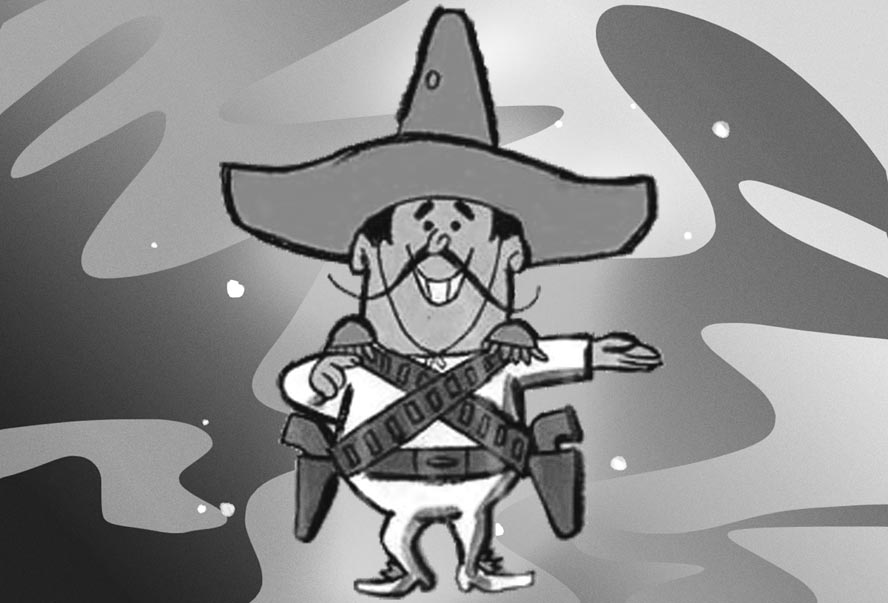
Frito Bandito Canceled
The Bandito may have faded into advertising history, but its impact lingers on, prompting reflection and dialogue about the intersection of marketing, culture, and identity.
As we move forward, let us heed the lessons learned from this controversial campaign and strive to create advertising that celebrates diversity, promotes inclusivity, and fosters understanding among all communities.
Leave a Reply

Please leave your comments in the “Leave a Reply” section at the bottom of this page


Please leave your comments in the “Leave a Reply” section at the bottom of this page