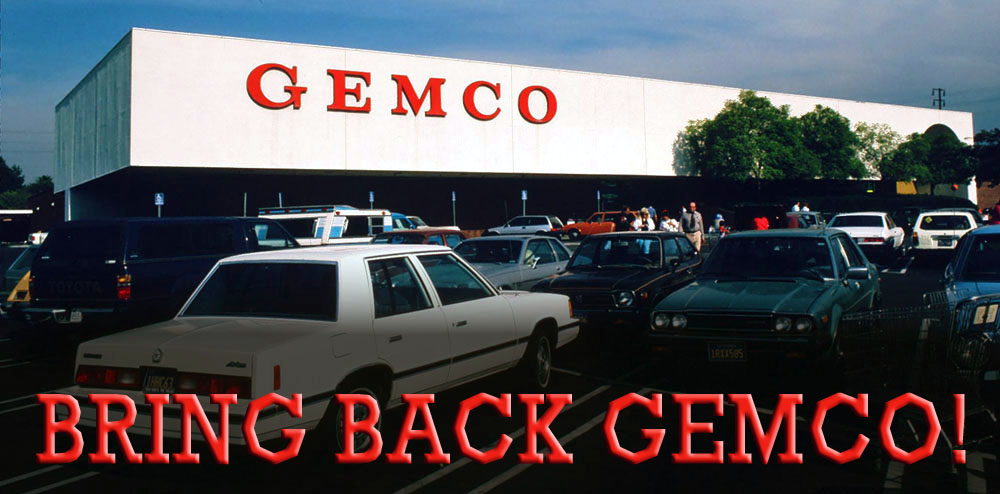
Gemco – What Happened?
Gemco, a U.S.-based membership department store chain, was owned by Lucky Stores in San Leandro, California, later becoming part of Albertsons.
Please leave your comments in the “Leave a Reply” section at the bottom of this page
Operating from 1959 until its closure in late 1986, the company saw Target acquiring leases for west coast stores, aiding its California expansion. Gemco’s counterpart, Memco, owned by Lucky Stores, operated in Chicago, Illinois, and Washington, D.C.
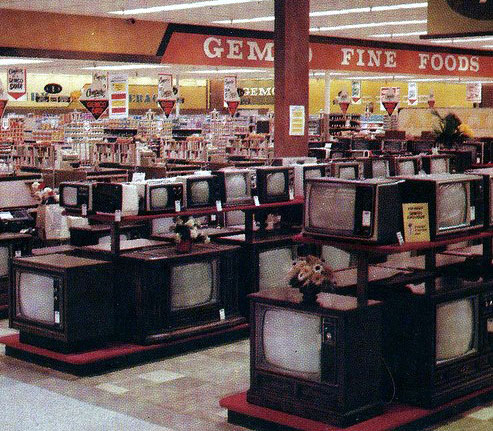
Born in 1959
Established in October 1959 in Anaheim, California, Gemco was acquired by Lucky Stores a year later, transforming it into a supermarket chain.
Flourishing for over two decades, the company faced unsuccessful leveraged takeover attempts.
To thwart such attempts, Lucky Stores decided to liquidate Gemco entirely. The liquidation took place from September to November 1986.
Target swiftly repurposed former Gemco locations, opening stores by fall 1987 with a vibrant red-and-white trade dress
Gemco: About the Name
Contrary to rumors, “GEMCO” was never an acronym but a simple, easily memorable name.
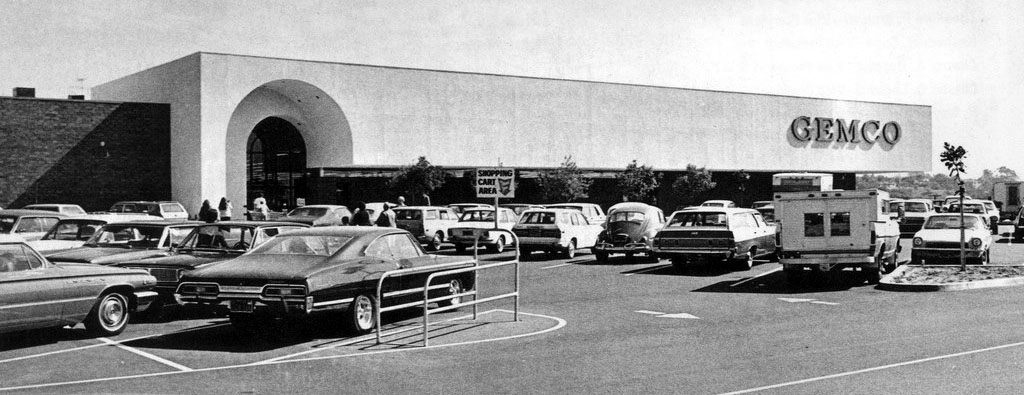
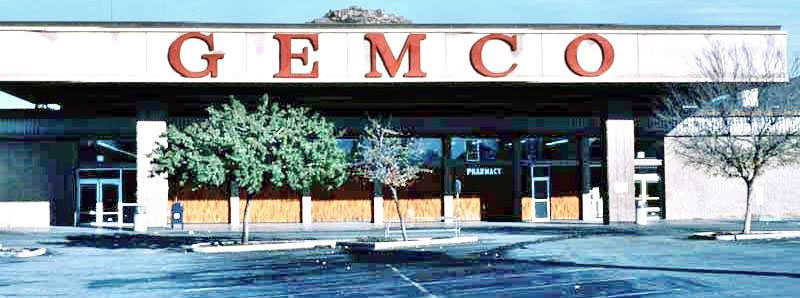
Initially, brown with tan accents was the store’s exterior background, and the letters were red.
In the late 1960s and 1970s, the logo featured translucent, capital letters on a dark blue oval.
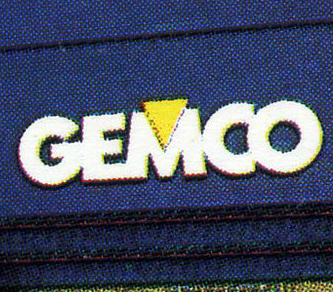
In the early 1980s, a redesign shifted the exterior color to blue with light blue accents, and the letter coloring in the logo became white, with a yellow diamond added on top of the “M.”
A Union Shop
Gemco, an early hypermarket prototype, provided a comprehensive shopping experience, offering everything from groceries to garden supplies and conventional department store items.
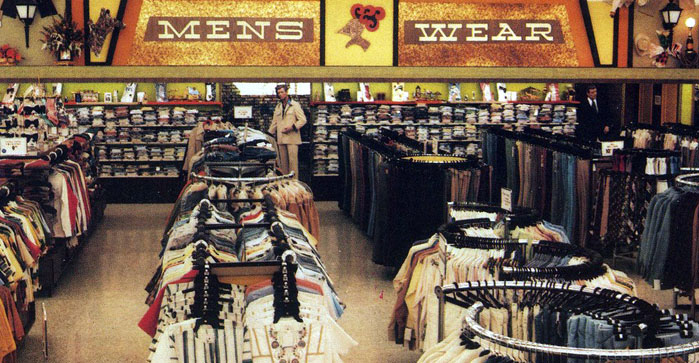
Notably, it introduced innovative services such as storing and delivering groceries for members.
Gemco, known for its union employment (UFCW), also had a credit department that drew in Christmas shoppers and offered free babysitting for a trial period.
The company initiated the Gemco Charitable and Scholarship Foundation, hosting annual competitions for high school seniors.
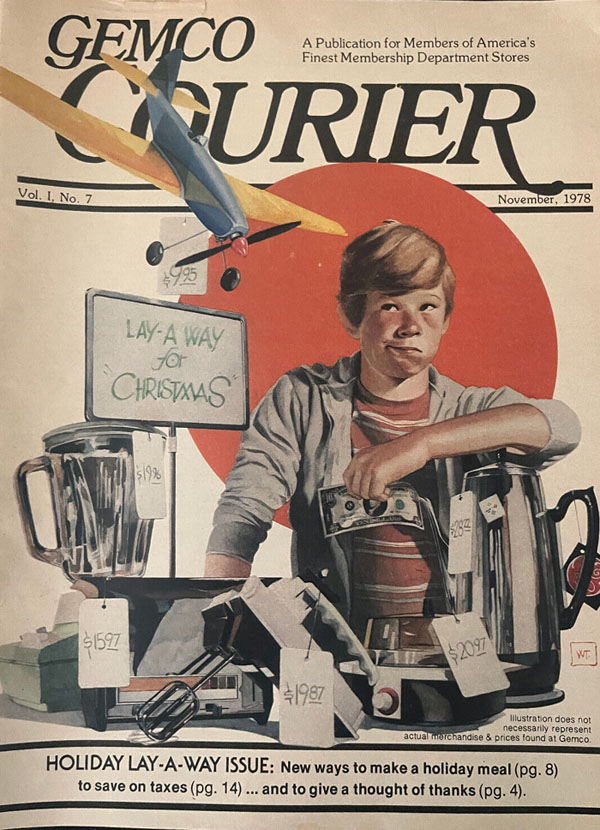
Gemco members received a monthly catalog called the Gemco Courier, featuring Saturday Evening Post-inspired cover art.
Gemco Goes Under
Gemco faced several challenges that led to its eventual closure. One significant factor was increased competition in the discount retail industry.
Competitors like Walmart and Kmart were expanding rapidly during the 1980s, putting pressure on smaller chains like Gemco.
Additionally, economic downturns in the early 1980s affected consumer spending, impacting retail sales across the board.
Gemco struggled to maintain profitability in this challenging environment.
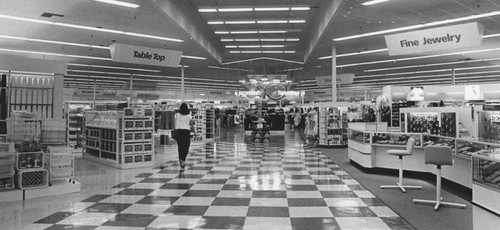
Another issue was mismanagement and financial troubles within the company itself.
Gemco was acquired by Lucky Stores, a supermarket chain, in the late 1960s. However, Lucky Stores faced its own difficulties, and its parent company, American Stores, ultimately decided to divest Gemco in the early 1980s.
Unable to overcome these challenges, Gemco announced in 1986 that it would close its remaining stores and liquidate its assets.
The closure of Gemco marked the end of a once-prominent discount retail chain and reflected the competitive pressures and economic challenges facing the retail industry during that time.
Memco?
To avoid confusion with the existing GEM chain, Memco stores on the East Coast, specifically in the Washington, D.C., area, were named Memco.
These stores featured a blue color scheme on walls and signage. Memco and Gemco honored each other’s membership cards, allowing seamless integration.
Memco entered the Washington, D.C., market in 1969 with 100,000-square-foot stores in Annandale, Virginia, and Camp Springs, Maryland.
By December 1982, the chain exited the market, closing 13 stores, with the locations later converted to Bradlees.
Some are now Home Depot or were occupied by Kmart, such as the former Memco location in Fairfax, Virginia. Memco also had stores in suburbs of Chicago, Illinois, which closed and later became Eagle grocery stores.
Gemco Trivia
- Hypermarket Concept: Gemco was an early example of a hypermarket, offering one-stop shopping for a diverse range of products, including groceries, garden supplies, and regular department store items.
- Unique Grocery Service: They introduced a distinctive service where already purchased groceries could be stored and delivered to members when they finished shopping the rest of the store, a feature not found elsewhere at the time.
- Colorful Evolution: The store’s original exterior featured a main background color of brown with tan accents and red letters. In the late 1960s and 1970s, the logo transitioned to translucent, serifed capital letters on a dark blue oval.
- Credit Department: Gemco included a credit department to boost sales, and it was particularly busy during the annual Christmas shopping period.
- Babysitting Trial: In a trial initiative, selected Gemco stores offered free babysitting while adults shopped. However, this service was discontinued after about a year due to regulatory requirements.
- Community Involvement: Gemco demonstrated its commitment to the community by establishing the Gemco Charitable and Scholarship Foundation in November 1959, holding annual scholarship competitions in areas where it had stores.
Please leave your comments in the “Leave a Reply” section at the bottom of this page
What Happened to Memco Stores?
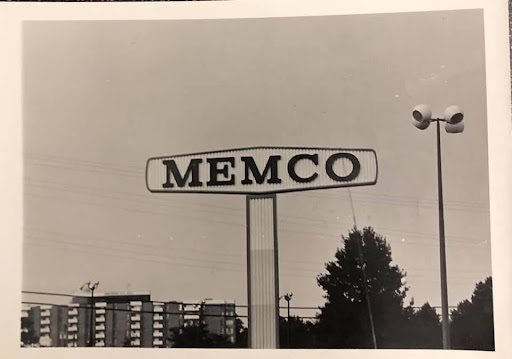
MEMCO, (the counterpart to Gemco) was a chain of department stores that operated primarily in Texas and surrounding states. It was founded in 1959 and grew to become a significant presence in the retail industry.
However, the company faced financial difficulties in the 1980s due to increased competition and economic challenges.
In 1988, MEMCO filed for bankruptcy protection. Despite efforts to restructure and revitalize the business, including closing some locations and selling off assets, the company ultimately could not overcome its financial woes.
As a result, MEMCO ceased operations, and its remaining stores were either closed or sold off to other retailers. The demise of MEMCO reflects the intense competition and shifting dynamics in the retail sector during that period.



Please leave your comments in the “Leave a Reply” section at the bottom of this page