Hills – What Happened?
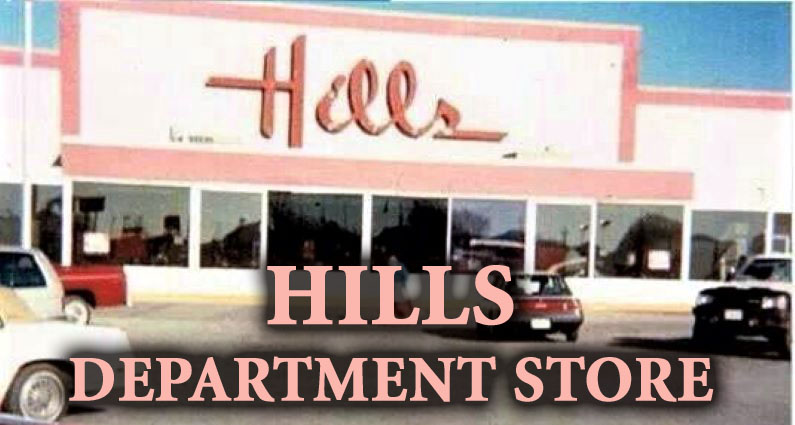
Hills Department Store was a beloved retail institution known for its nostalgic charm and community spirit.
It built a dedicated customer base through its welcoming atmosphere, diverse product offerings, and exceptional service.
Shoppers cherished their experiences exploring its aisles filled with various goods, often interacting with friendly staff.
Over the years, it has not only supplied crucial goods but has also functioned as a significant venue for community events, thereby solidifying its role as an integral element of local culture and pride.
The legacy of Hills Department Store continues to thrive, adapting to changing times while maintaining its core values of quality and community engagement.
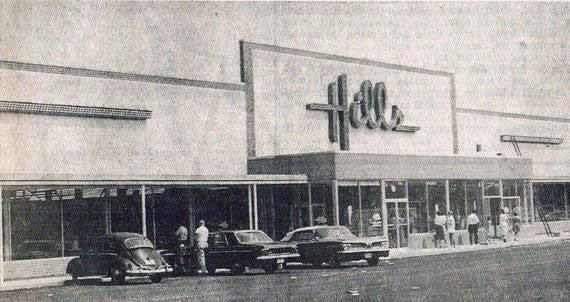
Founded in 1957, this iconic chain of stores quickly became a household name, offering a wide array of quality products at affordable prices.
In this article, we delve into the history, values, and lasting impact of this memorable chain.
Please leave your comments in the “Leave a Reply” section at the bottom of this page
A Legacy of Quality
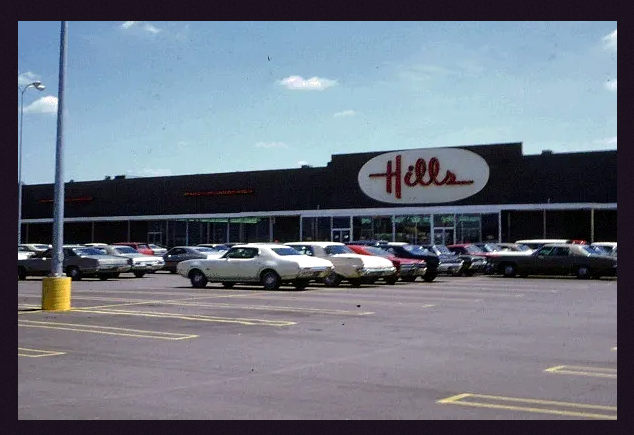
Hills Department Store became popular by focusing on quality products.
The store offered clothing, household goods, electronics, and toys, ensuring customers received affordable, well-made items.
This emphasis on quality distinguished the store from its competitors and helped its lasting success.
Affordability and Accessibility
One key factor in Hills’ success was its focus on affordable products that maintained quality.
The store served a wide range of customers, appealing to families of all backgrounds.
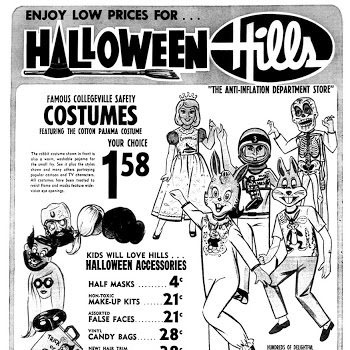
With weekly deals and discounts, it became a popular choice for budget-conscious shoppers looking for good value.
Community Engagement
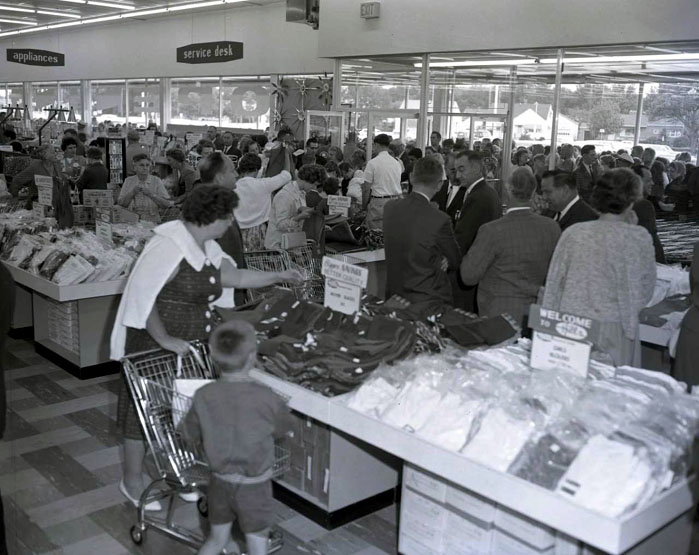
Hills Department Store wasn’t just a place to shop; it was a hub for community engagement.
The store actively participated in local events, sponsored community initiatives, and built strong relationships with its customers.
This community-centric approach helped it establish itself not only as a retail destination but also as a vital part of the neighborhoods it served
Hills: Innovations and Expansion
Throughout its history, Hills was not afraid to innovate.
The store adopted important new practices, such as using barcode scanning technology and creating a popular in-house brand.
These innovations contributed to the store’s sustained growth and popularity.

Hills’ Decline and Legacy
Despite its initial success, Hills Department Store faced challenges in the changing retail landscape.
The rise of big-box retailers and shifts in consumer behavior led to the closure of its’ stores in the early 2000s.
However, the legacy of Hills lives on in the hearts of those who fondly remember the store as a symbol of affordable quality and community connection

Acquired by Ames
In November 1998, Ames acquired Hills, adding 155 stores in 12 states and employing over 20,000 people, with headquarters in Canton, Massachusetts.
After the acquisition, Ames expanded to 456 stores, becoming the fourth-largest discount chain in the U.S.
Most Hills stores were renamed to Ames by the end of 1999, but financial troubles led to Ames closing by the end of 2002, leaving only one Hills Department Store remaining in Christiansburg, Virginia.
Hills Store Trivia
- Founding Year: Hills Department Store was founded in 1957 by Herbert H. Goldberger in Youngstown, Ohio, USA.
- Rapid Expansion: The store experienced rapid growth, expanding from its initial location in Youngstown to become a chain with hundreds of stores across the United States.
- Innovative Practices: It was a pioneer in implementing barcode scanning technology in its stores, streamlining the checkout process and setting new standards in the retail industry.
- Hills Exclusive Brand: The department store introduced an exclusive in-house brand named “Hills” for various products, offering customers a budget-friendly alternative without compromising on quality.
- Popular Toy Section: Hills gained a reputation for having an extensive and popular toy section, making it a favorite destination for families during the holiday season.
- Community Engagement: Hills actively engaged with the communities it served, sponsoring local events, and maintaining a strong presence in neighborhood activities.
- Discount Programs: The store was known for its weekly specials and discount programs, attracting budget-conscious shoppers seeking great deals on a wide range of products.
- Decline in the 2000s: Despite its earlier success, Hills faced financial challenges in the late 1990s and early 2000s, leading to the closure of the entire chain by 2002.
- Corporate Changes: Hills underwent various corporate changes, including a merger with Ames Department Stores in 1999, which ultimately proved unsuccessful in revitalizing the struggling company.
- Nostalgic Impact: Even after its closure, Hills Department Store remains a source of nostalgia for many, with dedicated online communities and social media groups sharing memories of their favorite Hills products and experiences.
- Rebranding Attempts: In the early 2000s, Hills attempted a rebranding strategy by introducing new store formats and remodeling existing locations. However, these efforts were insufficient to overcome the challenges the company faced.
- Resurgence of the Logo: The distinctive Hills logo, featuring a stylized letter “H” with a red triangle, remains iconic and is occasionally featured on nostalgia-themed merchandise, contributing to a resurgence of interest in the brand.
- Collector’s Items: Certain Hills Department Store items, especially those featuring the classic logo, have become sought-after collector’s items, with enthusiasts valuing them for their historical significance and retro charm.
- Legacy in Local Culture: In many communities, the memories of Hills Department Store are deeply embedded in local culture, and former employees and customers often share stories about the store’s impact on their lives.
- Impact on Retail History: Despite its eventual decline, Hills Department Store’s influence on retail history is acknowledged, particularly for its commitment to affordability, quality, and community engagement during its heyday.
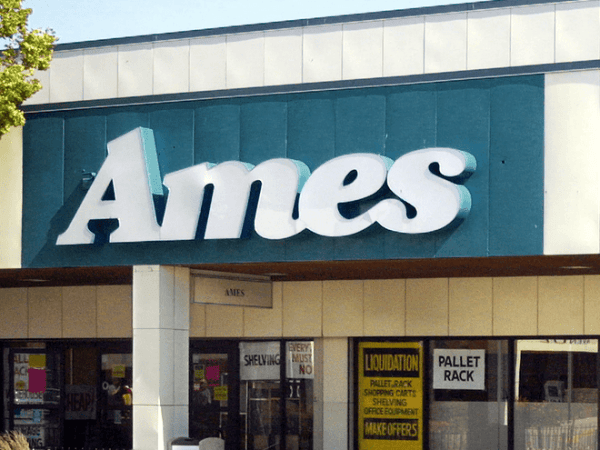
Ames Department Store – What Happened to Them?
Ames Department Stores Inc. was an American discount store chain headquartered in Rocky Hill, Connecticut. Founded in 1958 in Southbridge, Massachusetts, the company grew to operate 700 stores across 20 states, becoming the fourth-largest discount retailer in the United States. If you have any thoughts on this article, please leave them in the “Comments” section…
Keep reading
Please leave your comments in the “Leave a Reply” section at the bottom of this page




Please leave your comments in the “Leave a Reply” section at the bottom of this page