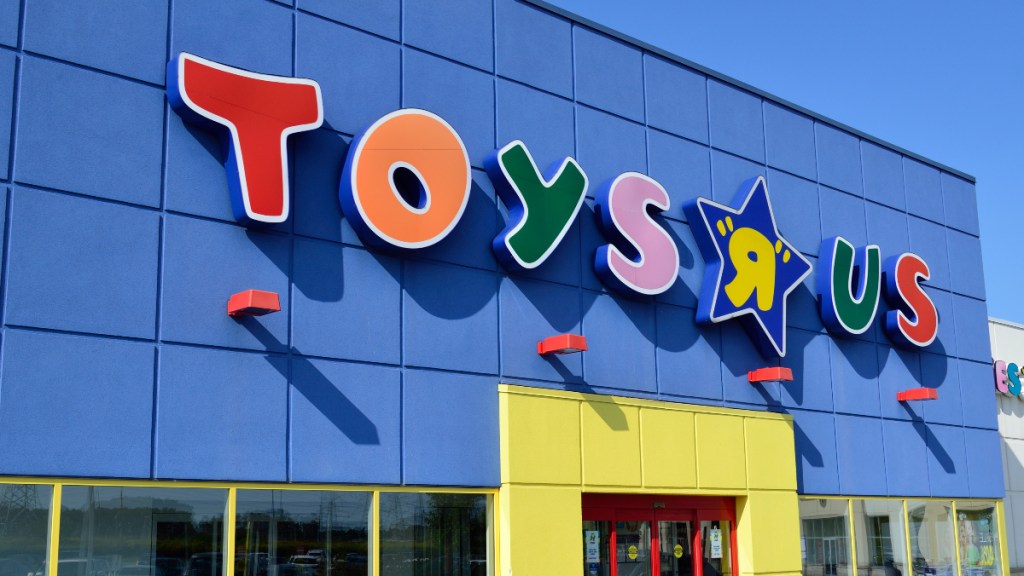
Toys R Us – Should We Bring Them Back?
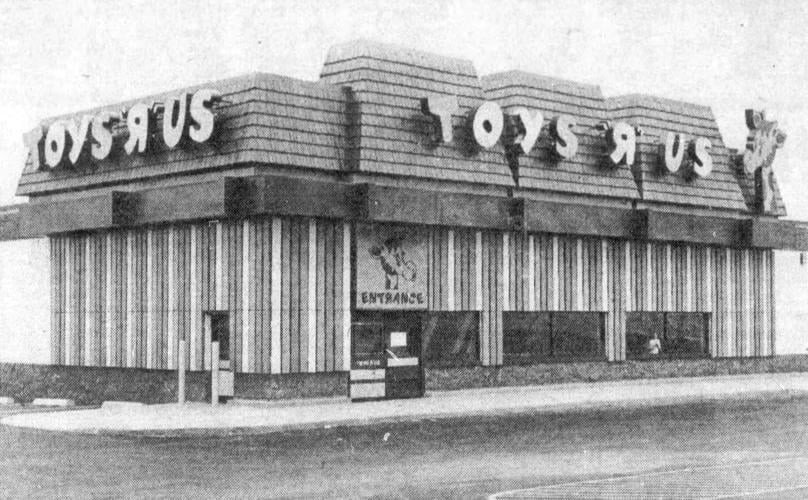
Toys “R” Us, a beloved icon in the world of retail, has a storied history that transcends mere commerce. Established in 1948 by Charles Lazarus, this toy giant initially began as a baby furniture store.
However, it didn’t take long for Lazarus to recognize the burgeoning demand for toys, prompting a strategic shift that laid the foundation for the empire we came to know and love.
Innovation and Expansion:
Toys R Us revolutionized the toy retail landscape through its unique business model. The introduction of self-service and vast showroom spaces allowed children and parents alike to explore an extensive array of toys firsthand.
This experiential approach set them apart, transforming shopping into an adventure and creating lasting memories for generations.
Toys R Us: The Cultural Touchstone
Beyond its commercial success, Toys “R” Us holds a special place in the hearts of millions as a cultural touchstone. The iconic jingle, “I don’t wanna grow up, I’m a Toys ‘R’ Us kid,” became a rallying cry for those who embraced the joy of childhood.
The distinctive Geoffrey the Giraffe mascot further solidified the brand’s identity, leaving an indelible mark on popular culture

Challenges and Resilience
Despite its widespread popularity, the company faced unprecedented challenges in the early 21st century. The rise of e-commerce and changing consumer behaviors posed formidable obstacles.
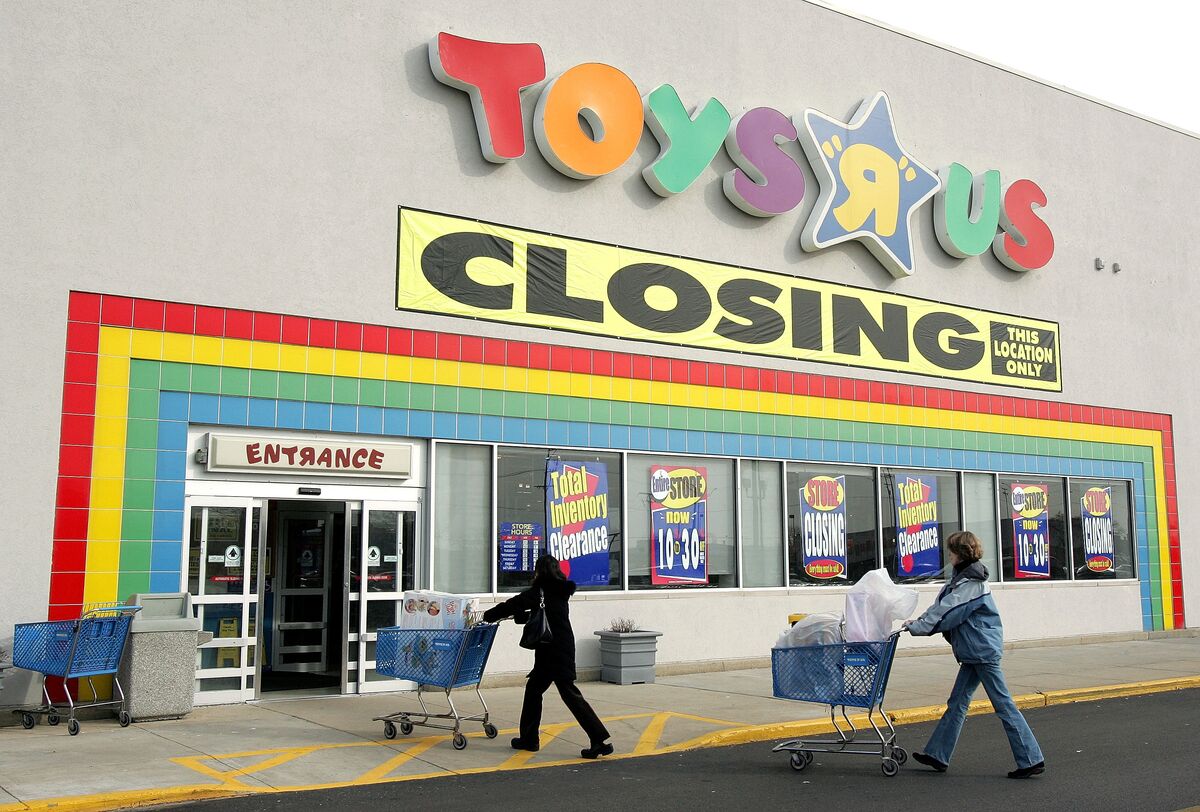
In 2017, the company filed for bankruptcy, signaling a potential end to an era. However, Toys “R” Us demonstrated resilience by announcing a comeback plan, sparking hope among nostalgic enthusiasts.
Digital Transformation and Revival
Toys “R” Us recognized the need to adapt to the digital age. The brand leveraged e-commerce and digital strategies to reconnect with its audience.
Online platforms and strategic partnerships enabled the company to maintain its presence in the ever-evolving retail landscape, proving that even established giants could evolve with the times.

Legacy and Future
As we reflect on the journey of Toys “R” Us, it’s evident that the brand’s legacy extends far beyond retail. It symbolizes the magic of childhood, the joy of discovery, and the resilience needed to navigate the complexities of the business world.
While the physical stores may have dwindled, the spirit of the company lives on, reminding us that even in the face of adversity, cherished memories endure.
Toys “R” Us remains an enduring symbol of nostalgia and resilience. Its ability to adapt to changing times and maintain a cultural presence attests to the profound impact it has had on generations of children and adults alike.
As we look to the future, the story of Toys “R” Us serves as a reminder that the magic of childhood, once sparked in a toy store aisle, continues to shape our lives in unforeseen ways.
Toys R Us Today
Today, Toys “R” Us continues its triumphant return, embracing a digital frontier while retaining its nostalgic charm. The iconic toy retailer, once on the brink of closure, now thrives through online platforms, captivating a new generation while preserving the cherished memories of its enduring legacy.
You can also find them selling inside Macy’s stores
To find a list of Macy’s locations that have partnered with Toys R Us, click here
Be sure to add your comments in the “Leave a Reply” section at the bottom of this page
Please leave your comments in the “Leave a Reply” section at the bottom of this page
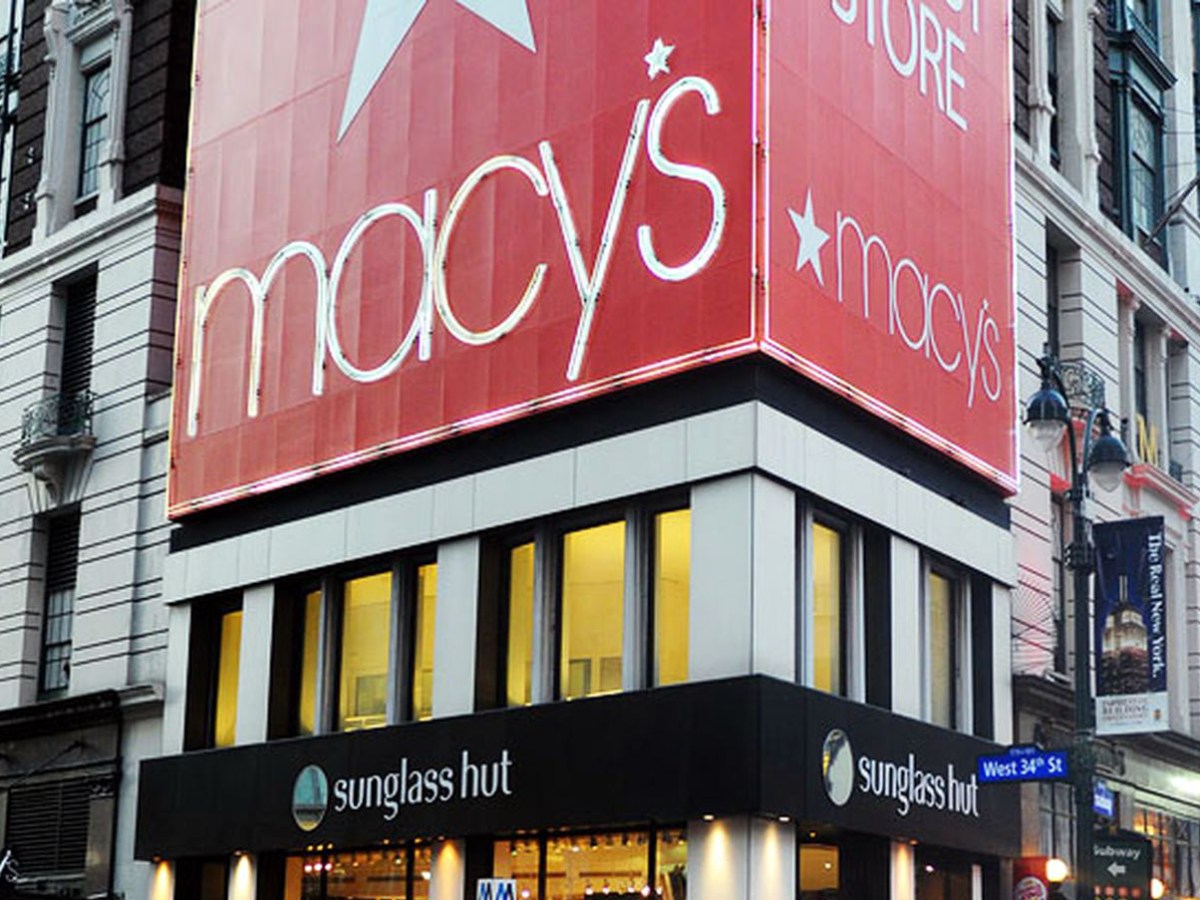
Macy’s Department Store – Unknown Facts
When was it founded? Macy’s was originally called “R. H. Macy & Co.” and was founded in 1858 by Rowland Hussey Macy. Rowland was one of 6 children born to a Quaker family in Massachusetts. He initially opened a dry goods store in California in 1850 along with his brother Charles but the ventured failed.…
Keep reading