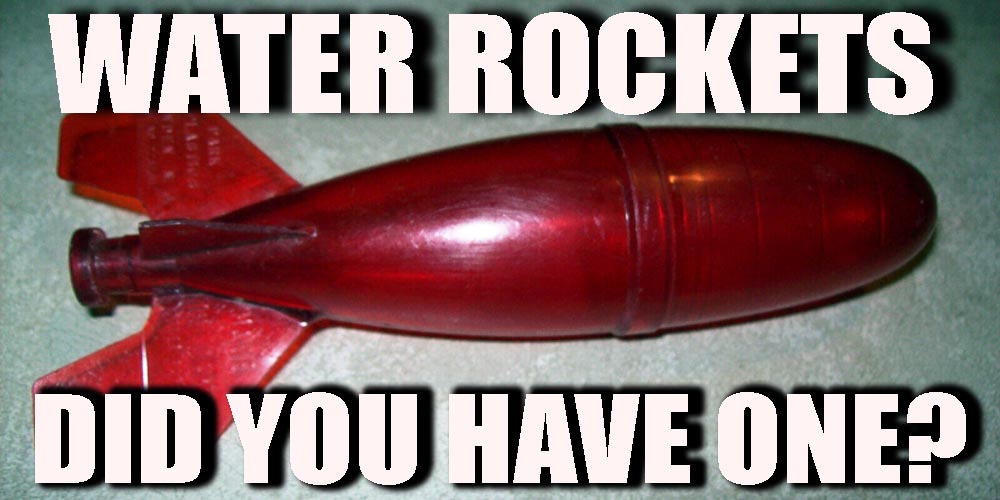
What Is A Water Rocket?
In the realm of playful experimentation and scientific curiosity, few toys captivate the imagination quite like these water rockets.
These ingenious contraptions harness the power of water and air to propel themselves skyward, delighting children and adults alike with their soaring flights.
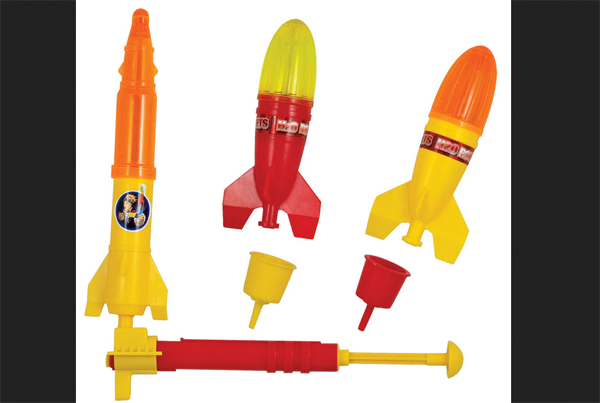
But where did this fascinating toy originate, and how has it evolved over time? Join us as we embark on a journey through the history of toy rockets, from their humble beginnings to the innovative designs of today.

The Early Days of Water Rockets
The idea of water rockets began in the early 1900s when scientists started to play with rocket propulsion concepts.
One of the first examples of a water rocket was from 1898 when Russian engineer Konstantin Tsiolkovsky suggested using liquid to help rockets travel in space.
But it wasn’t until the middle of the 20th century that these rockets became popular as fun toys.
The Birth of the Modern Water Rockets
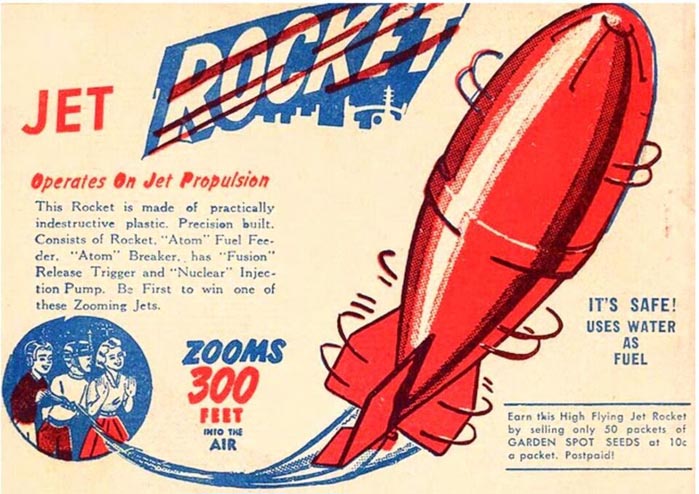
In the 1960s and 70s, as interest in space exploration reached new heights, toy manufacturers began capitalizing on the public’s fascination with rockets and space travel.
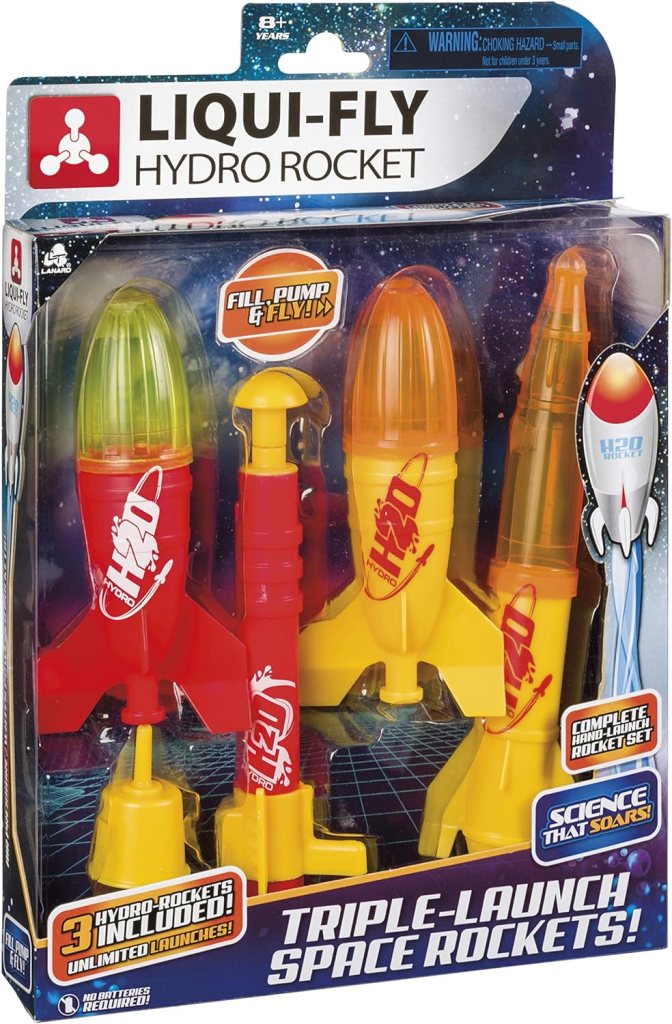
It was during this time that the first commercially available water rocket toys began to emerge.
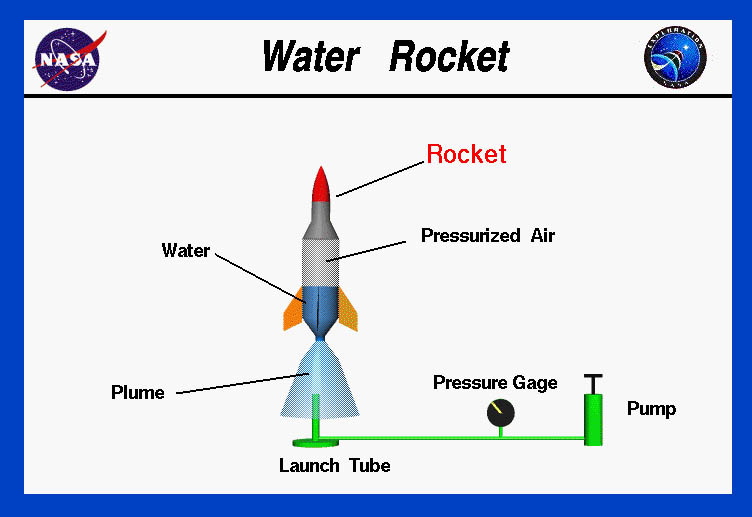
These early designs typically consisted of a plastic bottle partially filled with water, which, when pressurized with air, could launch into the air with a satisfying whoosh
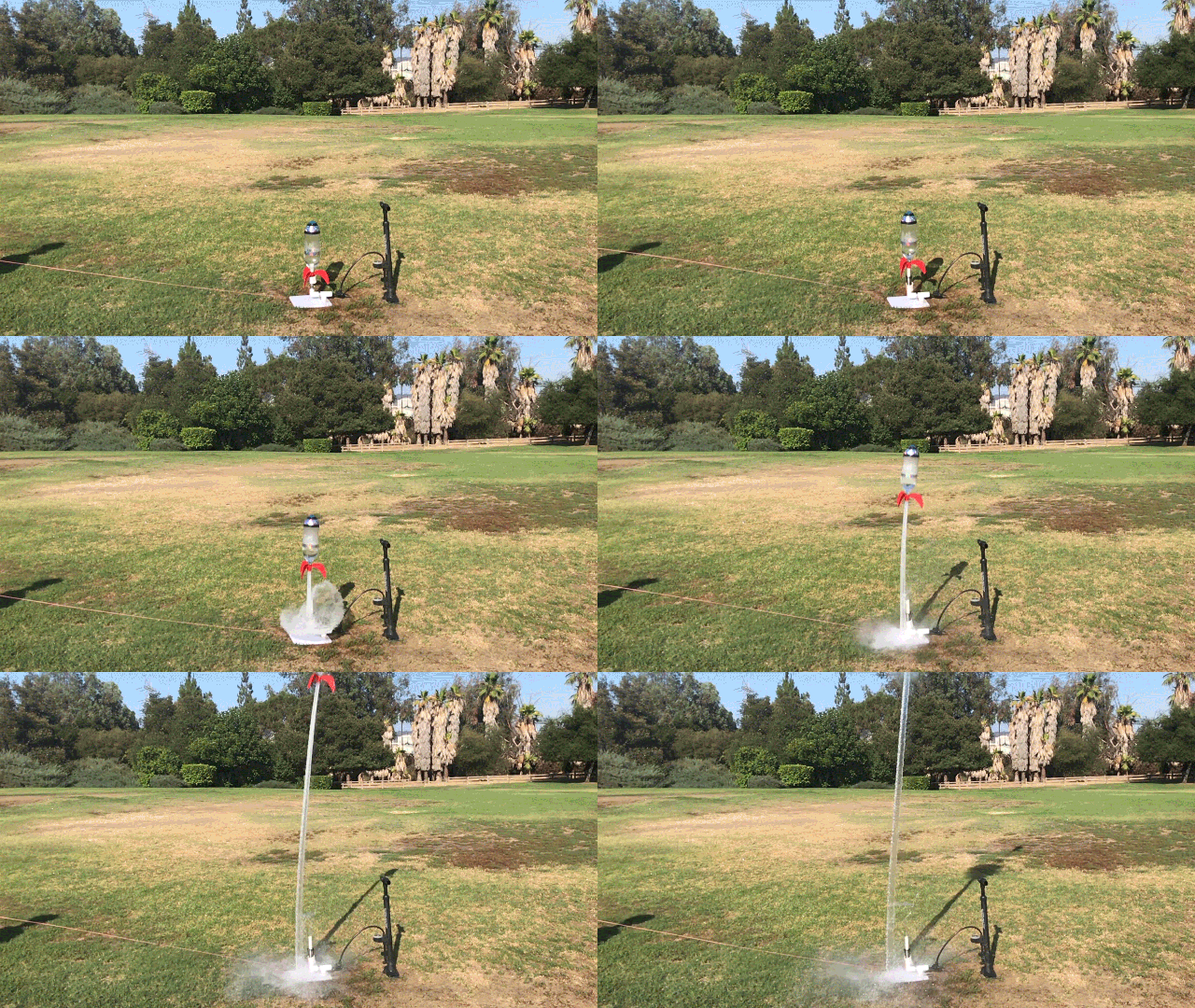
Evolution
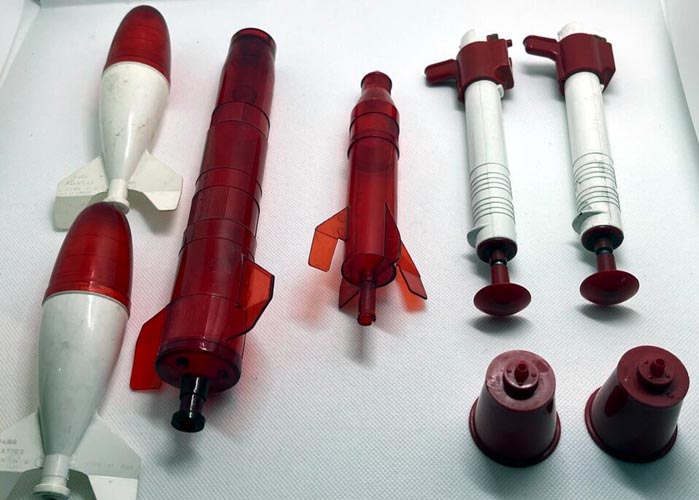
Throughout the 1980s and 90s, water rockets soared in popularity, becoming a staple of backyard play and science classrooms around the world.
As enthusiasts experimented with different designs and materials, these rockets evolved to reach greater heights and distances.
Innovations like better fins, streamlined shapes, and improved systems helped enthusiasts explore new possibilities with these simple yet versatile toys.
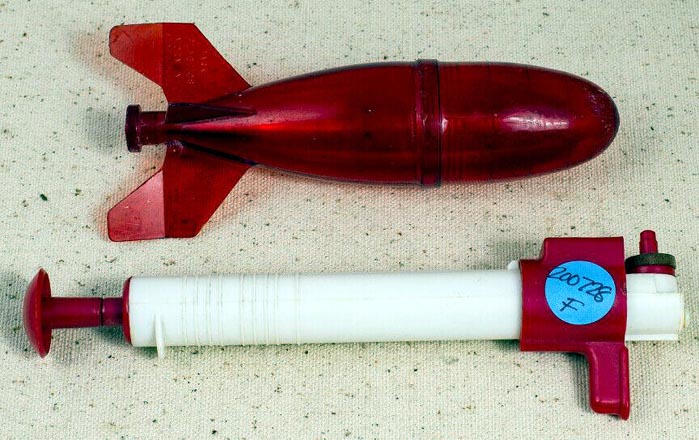
Water Rockets: Educational Value
Beyond their entertainment value, water rockets also serve as valuable educational tools, providing hands-on lessons in physics, aerodynamics, and engineering.
Countless science fairs and classroom experiments have been conducted using water powered rockets, allowing students to learn about concepts such as Newton’s laws of motion and the principles of air pressure in a fun and engaging way.
Modern-Day Advancements
In recent years, advances in materials and technology have led to further improvements in water powered rockets.
High-performance plastics, precision machining, and 3D printing have enabled enthusiasts to create custom rockets capable of reaching astonishing heights and speeds.
Moreover, the advent of remote-controlled water rockets equipped with onboard cameras has opened up new possibilities for aerial photography and exploration.
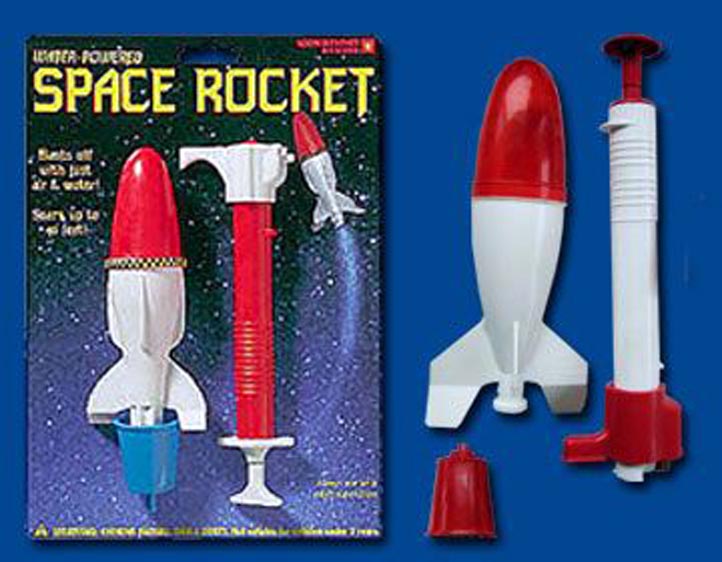
From humble beginnings to high-flying adventures, the history of water rockets is a testament to human ingenuity and curiosity.
What began as a simple backyard pastime has evolved into a beloved hobby enjoyed by enthusiasts of all ages around the world.
As we look to the future, one thing is certain: the sky’s the limit for water rocketry, and the journey is just beginning.
Please leave your comments in the “Leave a Reply” section at the bottom of this page
Tommy’s Rocket
On a frosty Christmas morning, young Tommy’s eyes widened with wonder as he unwrapped his gift, revealing a gleaming toy water rocket nestled within colorful wrapping paper.
His heart danced with excitement as he imagined the adventures that awaited him in the backyard.
With eager hands, he assembled the rocket, his anticipation mounting with each click and twist.

As the sun came out, Tommy launched his rocket into the cold winter air. With a whoosh, it flew up high, taking his dreams with it. From then on, the sky was no longer the limit for Tommy’s imagination.

Please leave your comments in the “Leave a Reply” section at the bottom of this page



Please leave your comments in the “Leave a Reply” section at the bottom of this page