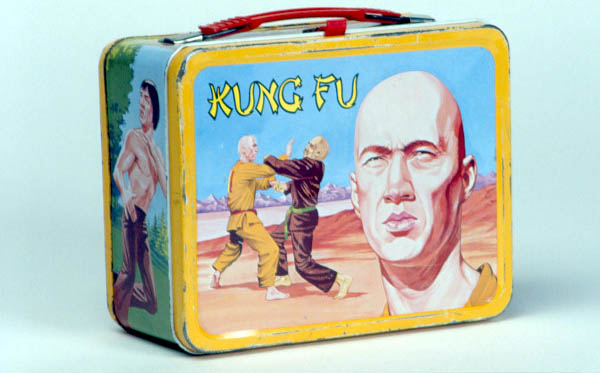
What Happened to Lunchboxes?
Lunchboxes have been an integral part of our daily lives for decades, providing a convenient and portable way to transport our meals. The history of lunch boxes is a fascinating journey through time, reflecting changes in culture, technology, and design. In this article, we’ll explore the evolution of lunchboxes, from their humble beginnings to the diverse and stylish containers we use today.
Be sure to add your comments in the “Leave a Reply” section at the bottom of this page

The Early Days
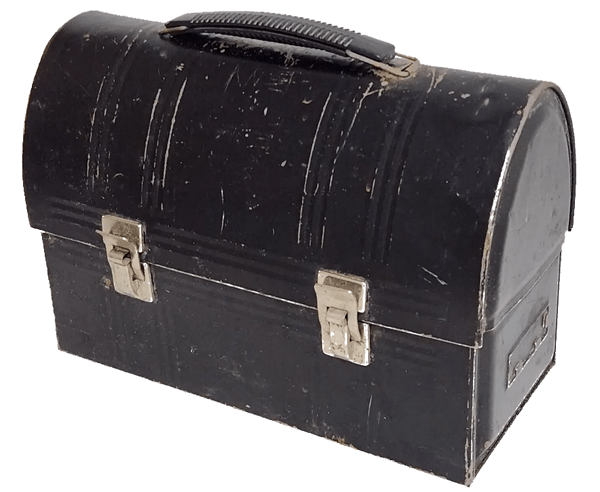
Lunchboxes can trace their roots back to the early 20th century when industrialization and the rise of office jobs created a need for portable meal solutions. The first boxes were simple metal containers, often resembling toolboxes, used by blue-collar workers to carry their midday meals.
Who could forget the famous Herman Munster Lunchbox? (below)
Character Lunchboxes
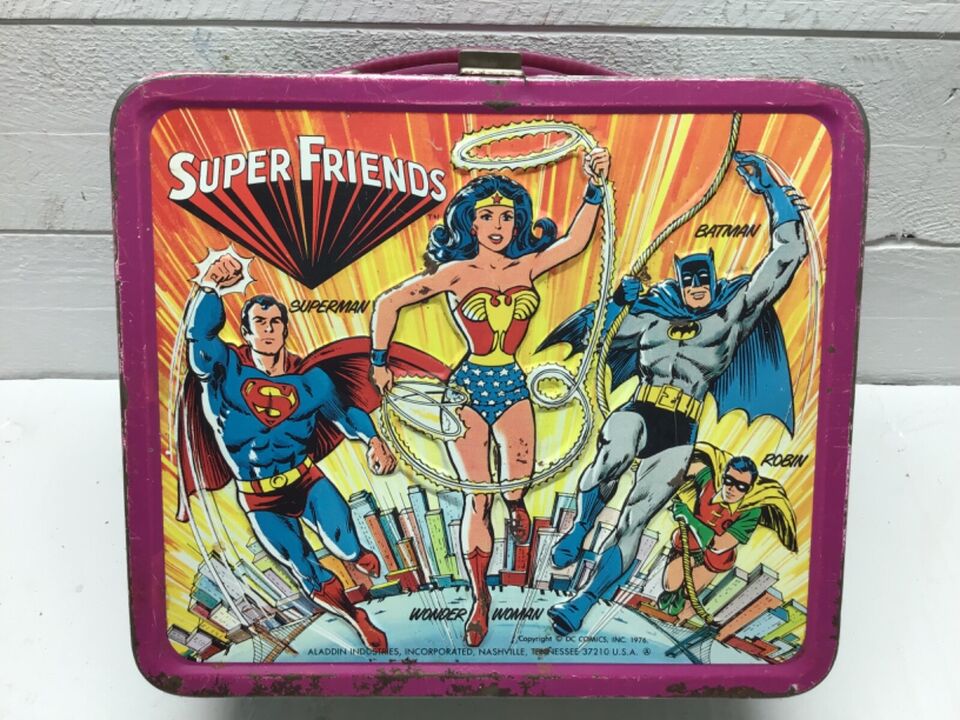
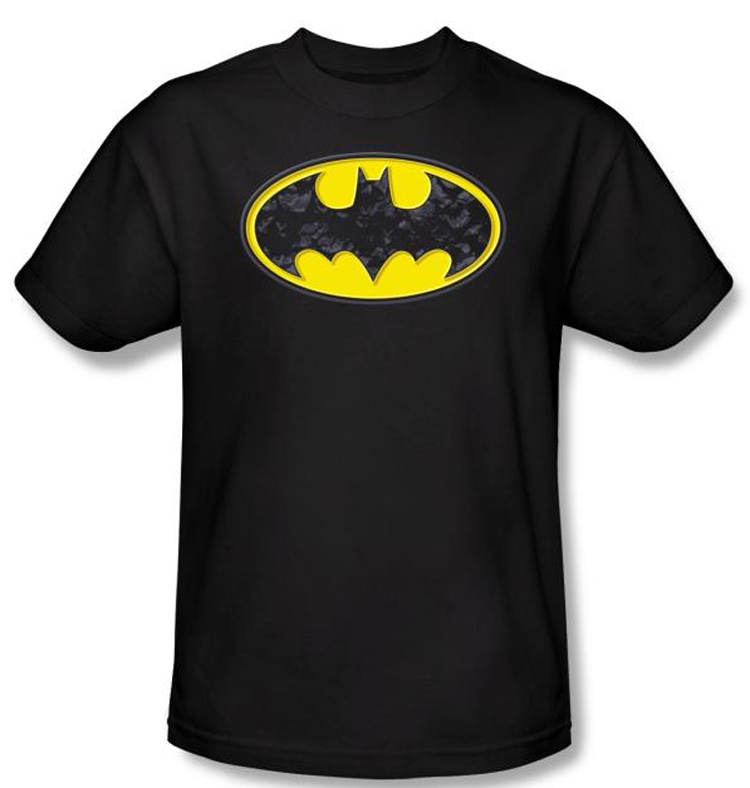
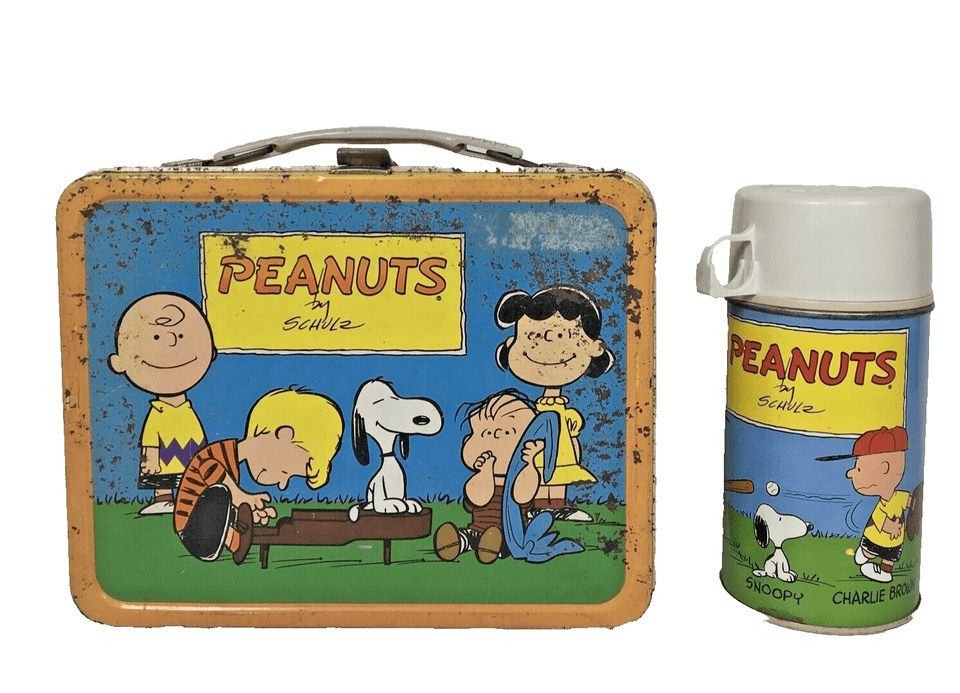
In the 1950s, lunch-boxes underwent a significant transformation with the introduction of character-themed designs. Popular television shows and cartoons began to adorn lunch boxes, turning them into coveted accessories for children. Icons like Mickey Mouse, Superman, and Howdy Doody became lunchbox staples, creating a cultural phenomenon.
Metal to Plastic Transition
As manufacturing techniques advanced, lunch boxes transitioned from metal to plastic in the 1960s and 1970s. This shift made lunchboxes lighter, more affordable, and allowed for a wider range of shapes and designs. Plastic lunchboxes also offered better insulation, keeping meals fresher for longer.

Collectibles and Limited Editions
The 1980s and 1990s saw the emergence of lunchbox collecting as a hobby. Vintage metal lunchboxes with nostalgic designs became sought-after collector’s items. Manufacturers began releasing limited edition lunch boxes, featuring pop culture references and catering to adult collectors who cherished the nostalgia of their childhood lunch experiences.
Modern Designs and Features:
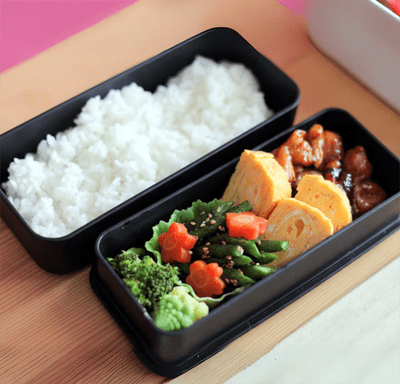
In the 21st century, lunchboxes have become not only functional but also fashion statements. Innovative materials, eco-friendly options, and stylish designs have transformed lunch containers into accessories that express personal style. Bento boxes, with their segmented compartments, gained popularity for their practicality and ability to promote healthier eating habits.
As technology continues to shape our daily lives, lunch boxes have not been left behind. Smart lunchboxes with built-in heating elements, temperature control, and even Bluetooth capability have entered the market, catering to the needs of modern, tech-savvy consumers.
Lunchboxes: A Rich Tapestry
The history of lunch-boxes is a rich tapestry woven with threads of innovation, cultural shifts, and personal expression. From the old-school metal containers of the early 20th century to the stylish and tech-integrated options available today, lunchboxes have come a long way. As we carry our meals in these portable containers, we also carry a piece of history that reflects the evolution of our society and the changing dynamics of our daily routines.
Be sure to add your comments in the “Leave a Reply” section at the bottom of this page
Please leave your comments in the “Leave a Reply” section at the bottom of this page