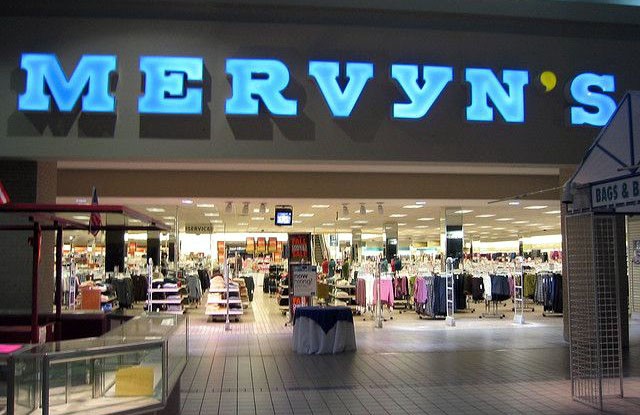
Mervyn’s – What Happened?
Mervyn’s, a beloved department store chain born from the vision of Mervin G. Morris in the heart of Hayward, California, passionately embraced the spirit of retail with its dazzling array of products.
From stylish clothing and trendy footwear to exquisite furniture and cutting-edge electronics, Mervyn’s was a treasure trove for shoppers seeking quality and variety.
By 2005, it proudly stood as the 83rd largest retailer in the U.S. This was a testament to its unwavering commitment to serving its community with flair and dedication.
Leave a Reply

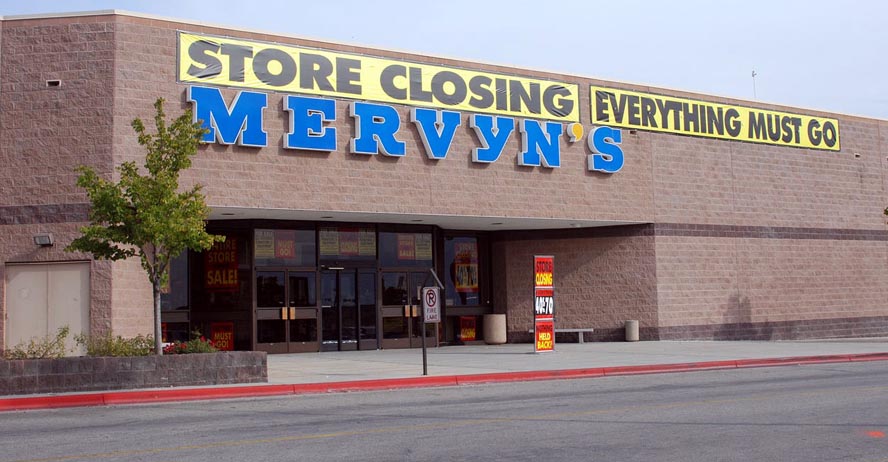
In 2008, facing financial challenges, Mervyn’s declared Chapter 7 bankruptcy and liquidated its assets. Consequently, all remaining stores closed by the end of the year. Despite the Morris family’s attempt to revive Mervyn’s as an online enterprise in 2009, the proposed relaunch did not materialize.
Be sure to add your comments in the “Leave a Reply” section at the bottom of this page
The Beginning of an Era
Founded by Mervin G. Morris on July 29, 1949, the first Mervyn’s store in San Lorenzo, California, initially intended to be named “Mervin’s.” It adopted the spelling with a “y” for visual appeal.
Located in San Lorenzo Village, a planned residential community, they focused on a no-frills shopping environment. This strategy reduced overhead and offered lower-priced merchandise, including discounted factory seconds.
This strategy resonated with suburban families in the 1950s and 1960s.
Despite changes in marketing, Mervyn’s maintained popularity as a cost-effective alternative to national department store chains. The second store, part of the Fremont Hub Shopping Center, opened in 1962, marking the expansion beyond the original location

Expansion
By 1978, Mervyn’s was boasting over 50 stores across three states. It was then acquired by the Dayton Hudson Corporation (now Target Corporation). Mervyn’s maintained its distinct identity as a subsidiary.
Stores had 80–130 employees, including leadership roles and part-time staff with credit goals tied to opening Mervyn’s credit accounts.
In 1988, Mervyn’s entered Florida and expanded beyond California, focusing on Atlanta and Miami in 1991. Further growth involved acquiring Jordan Marsh sites in 1992, entering the southern U.S. market.
Competing with JCPenney for mall space, Mervyn’s experienced changes. These included adjustments in store locations, sales to Dillard’s, and withdrawals from Miami and Atlanta in 1997.
Throughout the 1990s, Mervyn’s extended its presence to Arizona, Colorado, Texas, Michigan, Minnesota, and Washington State.

Target Corporation
Between 1995 and 2001, Mervyn’s stores underwent rebranding as “Mervyn’s California” to emphasize their West Coast roots.
Despite a media campaign with Joe Montana, the rebranding had minimal impact on revenues. This led to the removal of “California” from the name in 2001.
The majority of Texas stores did not adopt the “California” addition.
In March 2004, Target Corporation announced the sale of Mervyn’s and Marshall Field’s divisions to focus on Target stores.
Target rejected offers that valued Mervyn’s for its real estate alone. Instead, they sought deals preserving the company and jobs for its 30,000 employees.
In 2004, Mervyn’s locations in Minnesota closed. This was part of a deal between Target Corporation and The May Department Stores Company. The deal included the purchase of Twin Cities area Mervyn’s locations along with Marshall Field’s stores.
In July 2004, Mervyn’s was sold to investors including Sun Capital Partners, Cerberus Capital Management, and Lubert-Adler Management Inc. Rick Leto was appointed as the new president and chief merchandising officer in January 2005.
Mervyn’s: The End
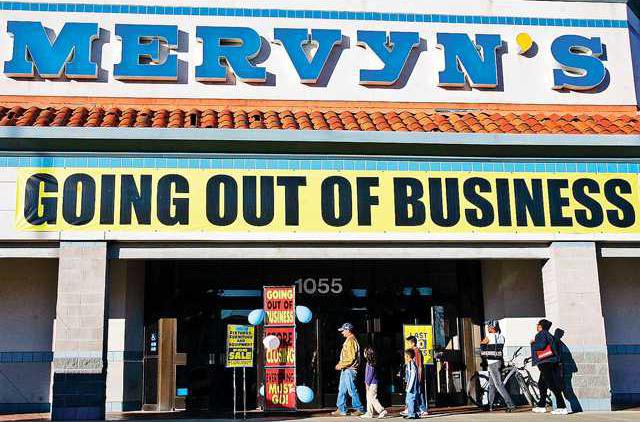
Despite attempts at reorganization during bankruptcy, they succumbed to the impact of the ongoing Great Recession.
The company decided to liquidate its assets through Chapter 7 bankruptcy. This was deemed the best course to maximize value for creditors, employees, and stakeholders.
This led to the closure of all remaining stores. Initially, Forever 21 sought to purchase 149 stores, but negotiations failed, resulting in the liquidation of all 149 stores.
Subsequently, Kohl’s and Forever 21 successfully secured a joint bid at a bankruptcy auction. They took over the leases of 46 stores, with Kohl’s assuming 31 and Forever 21 taking over 15.
Please leave your comments in the “Leave a Reply” section at the bottom of this page
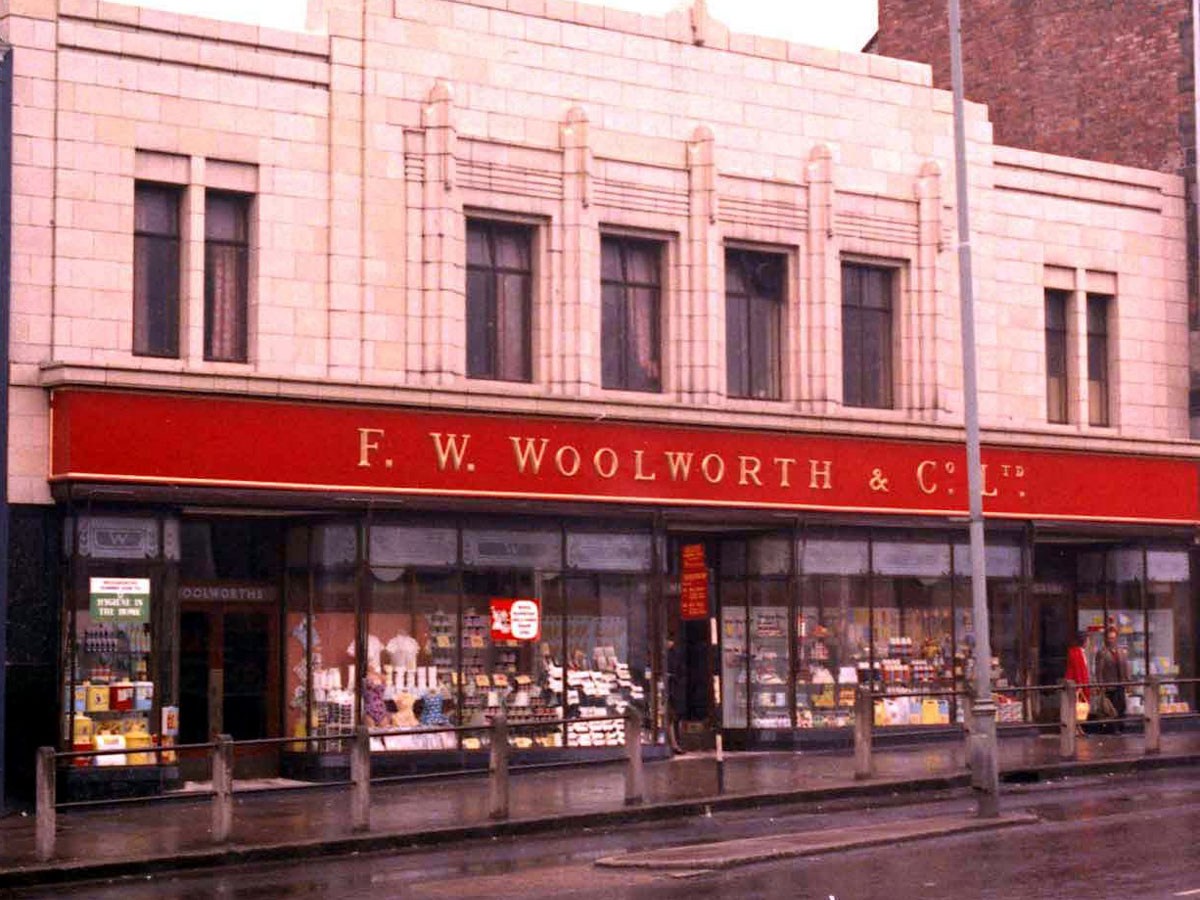
Woolworth’s – We Miss Them
The World’s First Five and Dime Store The F. W. Woolworth Company, or simply Woolworth’s, was a retail company and an early pioneer of five-and-dime retail. The company set trends and created the modern retail model that many stores still follow today. In fact, they are often considered the most successful of all five-and-dime stores…
Keep reading
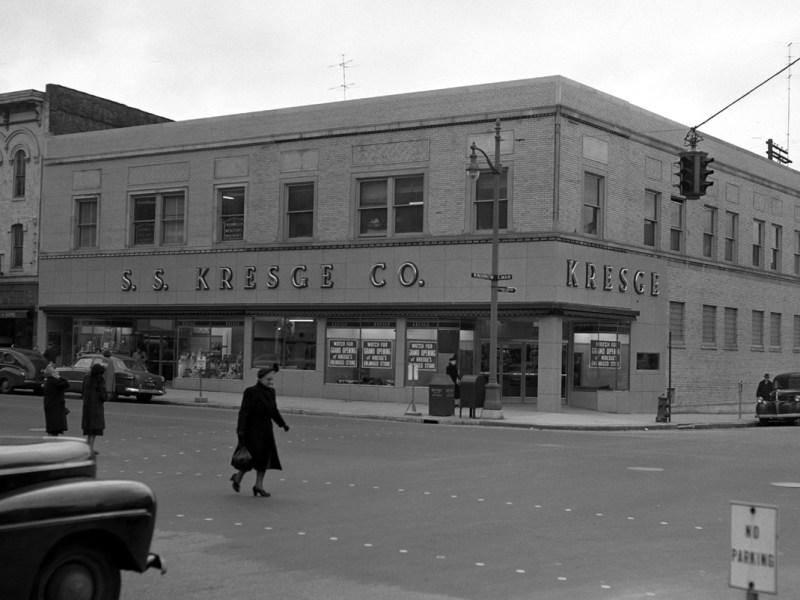
Kresge – How They Became Kmart
From Dime Stores to Discount Retail Dime stores, those enchanting variety stores or five and dimes, were a cherished gem in neighborhoods and small towns across the United States during the vibrant early to mid-20th century, sparking nostalgia and joy in the hearts of all who wandered through their welcoming doors. These small, budget-friendly retail…
Keep reading