The Greatest American Hero: A Nostalgic Look at a Classic TV Show
Dive into the whimsical world of The Greatest American Hero, the 1980s cult classic blending superhero action with laugh-out-loud comedy.
Follow Ralph Hinkley, an everyday teacher thrust into heroism via an alien supersuit—minus the instructions—leading to epic blunders and triumphs.
The Greatest American Hero, which aired from 1981 to 1983 on ABC, remains a beloved cult classic that captured the imagination of audiences with its quirky premise, memorable characters, and an iconic theme song that still resonates today.
In this article, we’ll dive into the legacy of The Greatest American Hero, exploring its story, impact, and why it continues to hold a special place in pop culture.

The Greatest American Hero: The Premise
Created by Stephen J. Cannell, The Greatest American Hero follows Ralph Hinkley (William Katt), an ordinary schoolteacher who unexpectedly becomes a superhero.
While on a field trip in the desert, Ralph encounters extraterrestrials who bestow upon him a red suit imbued with incredible powers, including flight, super strength, and invisibility.
There’s just one catch: Ralph loses the instruction manual, leaving him to figure out the suit’s abilities through trial and error—often with hilariously disastrous results.
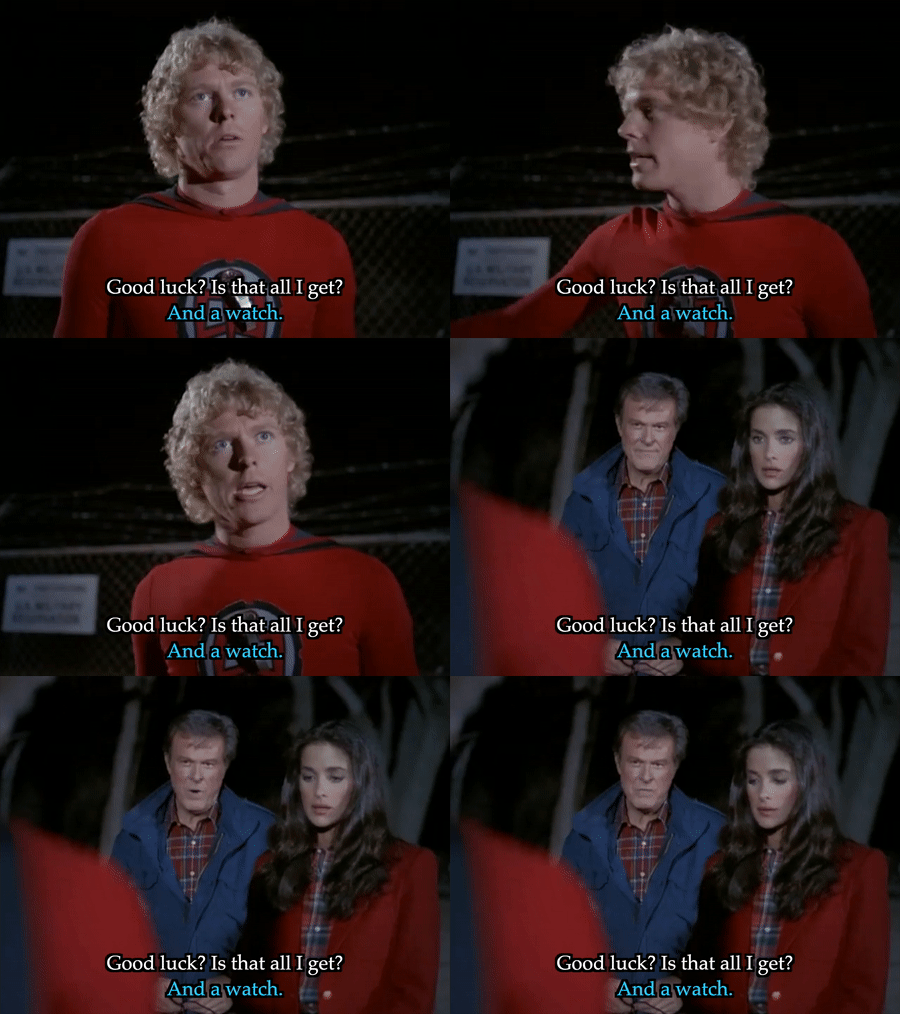
Ralph is joined by his girlfriend, Pam Davidson (Connie Sellecca), a savvy lawyer who helps him navigate his new role, and FBI agent Bill Maxwell (Robert Culp), a gruff, no-nonsense partner who sees Ralph’s powers as a tool to fight crime.
Together, this unlikely trio tackles everything from petty crooks to international conspiracies, all while Ralph struggles to balance his heroic duties with his everyday life.
The show’s charm lies in its relatability. Ralph isn’t a chiseled, confident superhero like Superman; he’s an everyman who stumbles, crashes, and doubts himself.
His imperfections make him endearing, and the show’s lighthearted tone sets it apart from the more serious superhero fare of the era.

The Greatest American Hero Theme Song
If you’ve ever heard Joey Scarbury’s “Believe It or Not,” you know it’s impossible to forget.
The uplifting, catchy tune, written by Mike Post and Stephen Geyer, became a chart-topping hit in 1981, peaking at #2 on the Billboard Hot 100.
The song perfectly encapsulates the show’s blend of optimism and humor, and its opening credits—featuring Ralph’s awkward attempts to fly—are etched in the minds of fans.
Greatest American Hero: The Red Suit
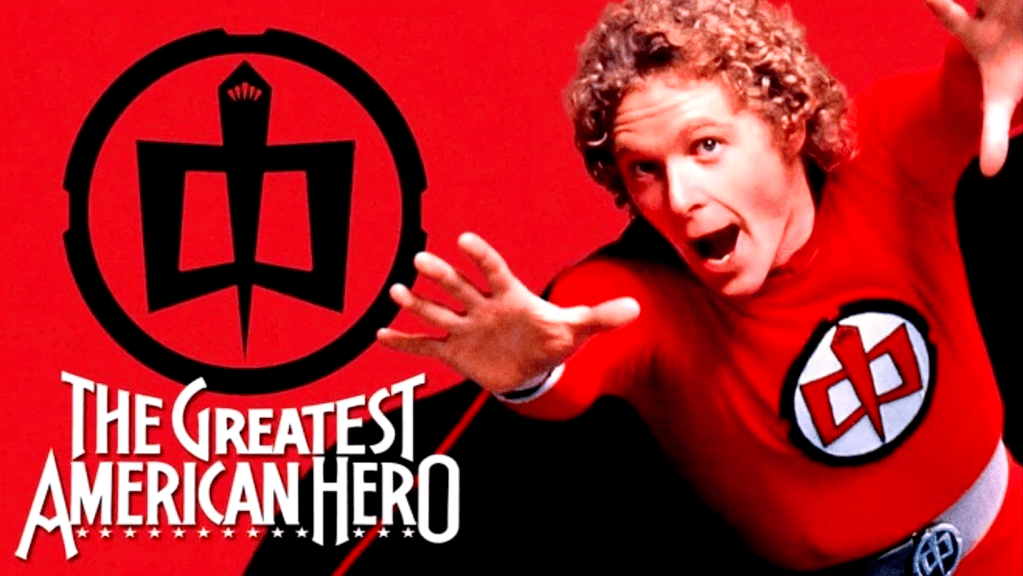
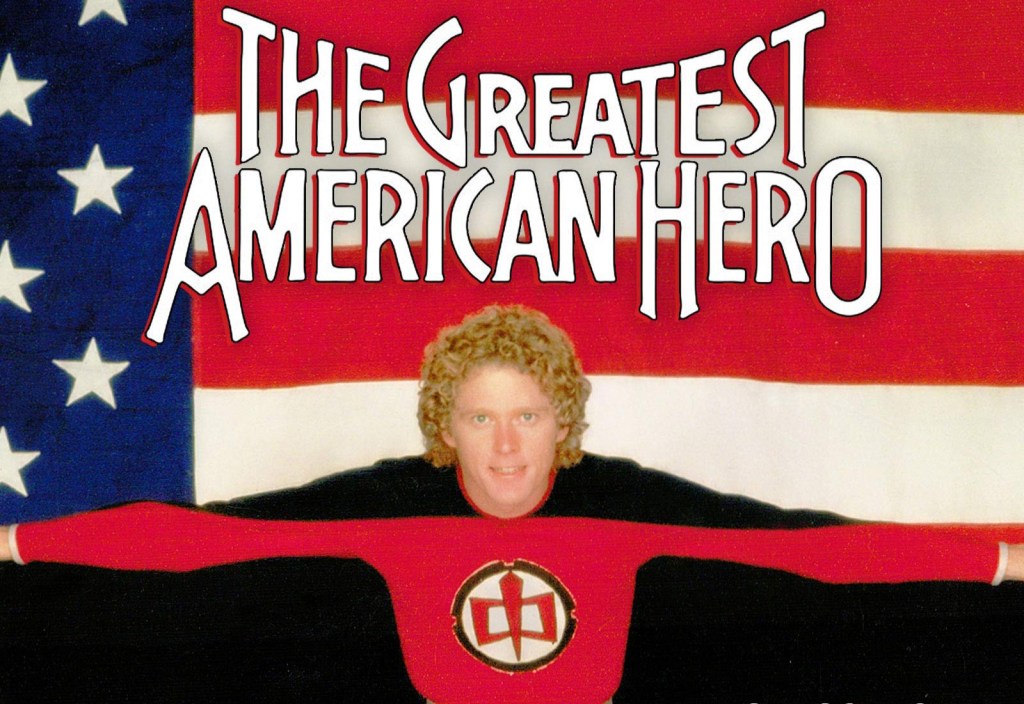
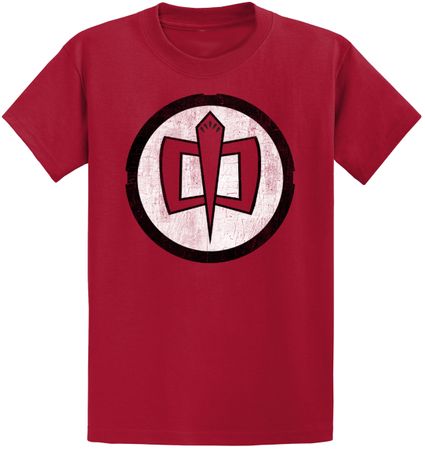
The bright red superhero suit, complete with a cape and a mysterious emblem, is one of the most recognizable elements of the series.
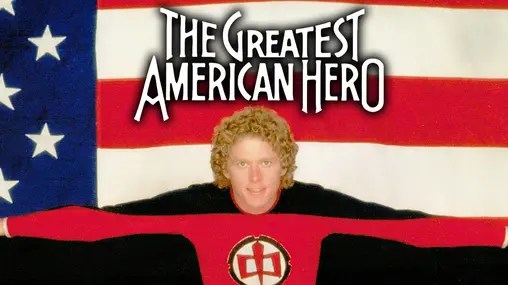
Designed by the aliens, the suit is both a symbol of Ralph’s potential and a source of comedy, as he often struggles to control its powers.
The suit’s sleek yet slightly goofy aesthetic is quintessentially ’80s, making it a nostalgic touchstone for fans.
The Chemistry of the Cast
The dynamic between Ralph, Pam, and Bill is the heart of the show.
William Katt’s earnest portrayal of Ralph brings warmth and relatability, while Connie Sellecca’s Pam provides intelligence and emotional grounding.
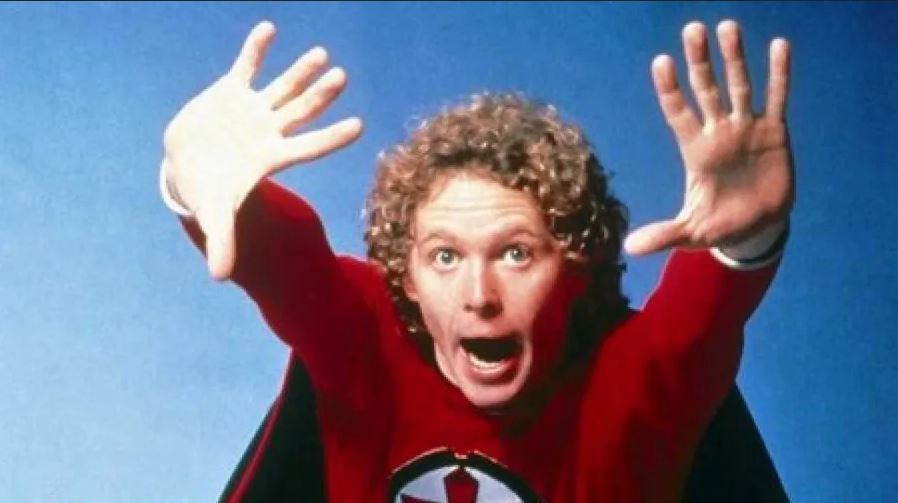
Robert Culp steals scenes as the curmudgeonly Bill, whose tough exterior hides a deep loyalty to his partners.
Their banter and camaraderie make even the most outlandish episodes feel grounded.
The Greatest American Hero: Cultural Impact
The Greatest American Hero ran for three seasons, spanning 44 episodes, and while it never achieved massive ratings, it left an indelible mark on pop culture.
The show’s blend of comedy and superheroics paved the way for later series like Lois & Clark: The New Adventures of Superman and Buffy the Vampire Slayer, which also mixed genre elements with humor and heart.
The series also tackled social issues, albeit lightly, with episodes addressing topics like education, crime, and government corruption.
Ralph’s role as a teacher allowed the show to explore themes of mentorship and responsibility, resonating with viewers who saw him as a hero both in and out of the suit.
In 1986, a short-lived TV movie, The Greatest American Heroine, introduced a new character, Holly Hathaway (Mary Ellen Stuart), who took up the mantle after Ralph’s identity was exposed.
Though it didn’t lead to a full revival, it showed the enduring appeal of the concept.
Why It Still Matters
Decades after its debut, The Greatest American Hero remains a fan favorite, thanks to its timeless themes and nostalgic charm.
The show’s emphasis on an ordinary person rising to extraordinary challenges feels as relevant today as it did in the ’80s.
Its humor and heart make it accessible to new generations, while its retro vibe appeals to those who grew up watching it.
The series has also inspired various tributes and references in modern media. For example, the Seinfeld episode “The Susie” famously features George Costanza’s answering machine message set to the show’s theme song.
In 2018, there was even talk of a reboot starring Hannah Simone (New Girl), though the project didn’t move forward.
Fans can still enjoy the original series through streaming platforms or DVD collections, and the show’s active fan communities on social media keep its spirit alive.
Whether it’s debating Ralph’s best crash-landing or singing along to “Believe It or Not,” the fandom endures.
Fun Facts About The Greatest American Hero
- Name Change Controversy: Early in the series, Ralph’s last name was changed from Hinkley to Hanley in some episodes due to sensitivity surrounding the real-life John Hinckley Jr., who attempted to assassinate President Ronald Reagan in 1981.
- Comic Book Connection: DC Comics published a short-lived Greatest American Hero comic book series in 1981, capitalizing on the show’s popularity.
- Real-Life Inspiration: Stephen J. Cannell drew inspiration for the show from his love of comic books and his desire to create a superhero who wasn’t perfect.
What’s your favorite episode or memory of The Greatest American Hero? Share your thoughts in the comments section at the bottom of this page, and let’s keep the nostalgia alive!
Please leave your comments in the “Leave a Reply” section at the bottom of this page
Here are the lyrics to The Greatest American Hero theme song
Look at what’s happened to me
I can’t believe it myself
Suddenly I’m up on top of the world
It should have been somebody else
Believe it or not, I’m walkin’ on air
I never thought I could feel so free
Flyin’ away on a wing and a prayer
Who could it be?
Believe it or not it’s just me
Just like the light of a new day
It hit me from out of the blue
Breaking me out of the spell I was in
Making all of my wishes come true
Believe it or not, I’m walkin’ on air
I never thought I could feel so free
Flyin’ away on a wing and a prayer
Who could it be?
Believe it or not it’s just me
This is too good to be true
Look at me falling for you
Believe it or not, I’m walkin’ on air
I never thought I could feel so free
Flyin’ away on a wing and a prayer
Who could it be?
Believe it or not it’s just me

The Greatest American Hero Cast
William Katt – Ralph Hinkley/Ralph Hanley
Robert Culp – Bill Maxwell
Connie Sellecca – Pam Davidson
Faye Grant – Rhonda Blake
Michael Paré – Tony Villicana
Jesse D. Goins – Cyler Johnson
William Bogert – Les Carlisle

The Greatest American Hero TV Show Questions and Answers
Is The Greatest American Hero show on Netflix?
No, sorry…it isn’t
Is The Greatest American Hero show going to have a reboot?
Not at this time. ABC was going forward with the idea in 2020 but interest in superhero shows on network TV has declined since then. Perhaps they will reboot someday!
How strong is The Greatest American Hero?
He can run up to 70 MPH on land and in the air he can out-fly a 747 jet! He has also been shot, bombed and hit with rocket fire…without injury!
Who was The Greatest American Hero?
A fun and quirky character who used his superpowers for good. The show was quintessential 80s camp tv
What other powers did The Greatest American Hero?
Well, for starters he was a very gifted school teacher (before he became a superhero). Other powers include telekinesis (communicating with his mind, not his voice), the ability to breathe under water and he’s also fire-proof!

About William Katt
William Katt’s Early Life and Career Beginnings
William Theodore Katt, born on February 16, 1951, in Los Angeles, is the son of actors Bill Williams and Barbara Hale.
He began his career at six with television commercials. Katt’s breakout role was in the 1976 film Carrie, which earned him a Golden Globe nomination.
He starred in other films like Big Wednesday (1978) and The Great Santini (1979).
In television, Katt is known for The Greatest American Hero (1981-1983), House (2004-2012), and Ringer (2011-2012).
He also appeared in The Return of the Six-Million-Dollar Man and the Bionic Woman (1987).
As a voice actor, he was the titular character in The Incredible Hulk (1996-1998) and voiced roles in video games like Grand Theft Auto: San Andreas (2004) and The Elder Scrolls V: Skyrim (2011).
Katt continues to work in the entertainment industry, appearing in a variety of films and television shows. He is also an accomplished musician, having released two albums in the 1990s.
William Katt’s Most Notable Roles
William Katt is an American actor best known for his roles in the television series The Greatest American Hero and the horror film Carrie. He has appeared in numerous films and television shows throughout his career. Here are some of his most notable roles.
- Ralph Hinkley in The Greatest American Hero (1981-1983): Katt starred as Ralph Hinkley, an ordinary schoolteacher who is given a super suit by aliens that gives him superhuman abilities. He must use his newfound powers to protect the world from evil.
- Paul Drake Jr. in Perry Mason (1985-1993): Katt played the role of Paul Drake Jr., the son of the famous private detective Paul Drake. He assists his father in solving cases and is a valuable asset to the team.
- Tommy Ross in Carrie (1976): Katt starred as Tommy Ross, the high school student who takes Carrie White to the prom. His character is ultimately killed by Carrie in a fit of rage.
- Dr. Stephen Franklin in Babylon 5 (1994-1998): Katt played the role of Dr. Stephen Franklin, a medical doctor and scientist who works on the Babylon 5 space station. He is a compassionate and caring individual who is willing to help anyone in need.
Katt began his career in the 1970s, gaining fame for his role as Ralph Hinkley in the television series The Greatest American Hero (1981-1983) and for his performance in the horror film Carrie (1976).
He has also been successful as a producer, working on films like House and The Man from Earth, as well as television shows such as The Equalizer and Earth 2.
His contributions have significantly influenced both the horror and science fiction genres.
William Katt’s Personal Life and Relationships
William Katt is an American actor, best known for his role as Ralph Hinkley in the 1980s television series The Greatest American Hero.
He has been married twice and has three daughters.
Katt’s first marriage was to Deborah Kahane in 1979, with whom he had two children, Clayton and Emerson, before their divorce in 1985.
He married Danielle Hirsch in 1988, and they had a daughter, Daisy, but divorced in 1994.
Since 1996, Katt has been in a relationship with actress Tracy Nelson, and they have a daughter named Remington.
Katt is a devoted father and an active member of the Church of Scientology, advocating for its teachings.
William Katt’s Legacy and Lasting Influence
William Katt is an American actor recognized for his role as Ralph Hinkley in the 1980s series The Greatest American Hero.
He began his career in the late 1970s and gained fame through this show, which aired from 1981 to 1983.
Katt’s diverse career includes appearances in other productions like House and The Man from Earth.
His legacy reflects both versatility and success, with roles spanning comedic and dramatic genres.
Katt has inspired many young actors and advocates for diversity, addressing issues of racism and sexism in Hollywood.
Leave a Reply