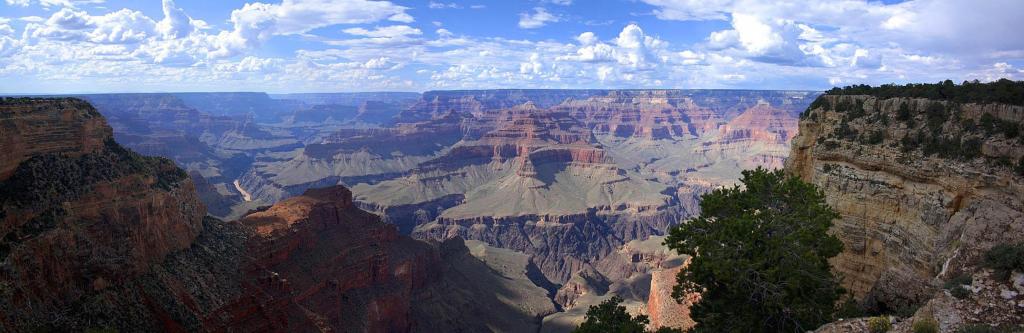
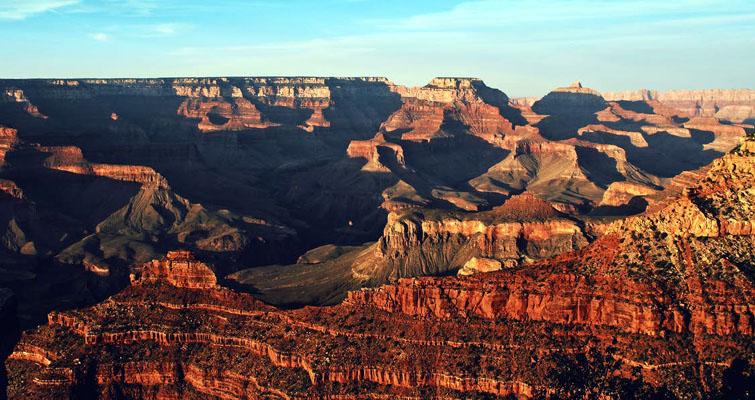
Where is it located?
What State is the Grand Canyon In? Let’s discover this together!
Please leave your comments in the “Leave a Reply” section at the bottom of this page
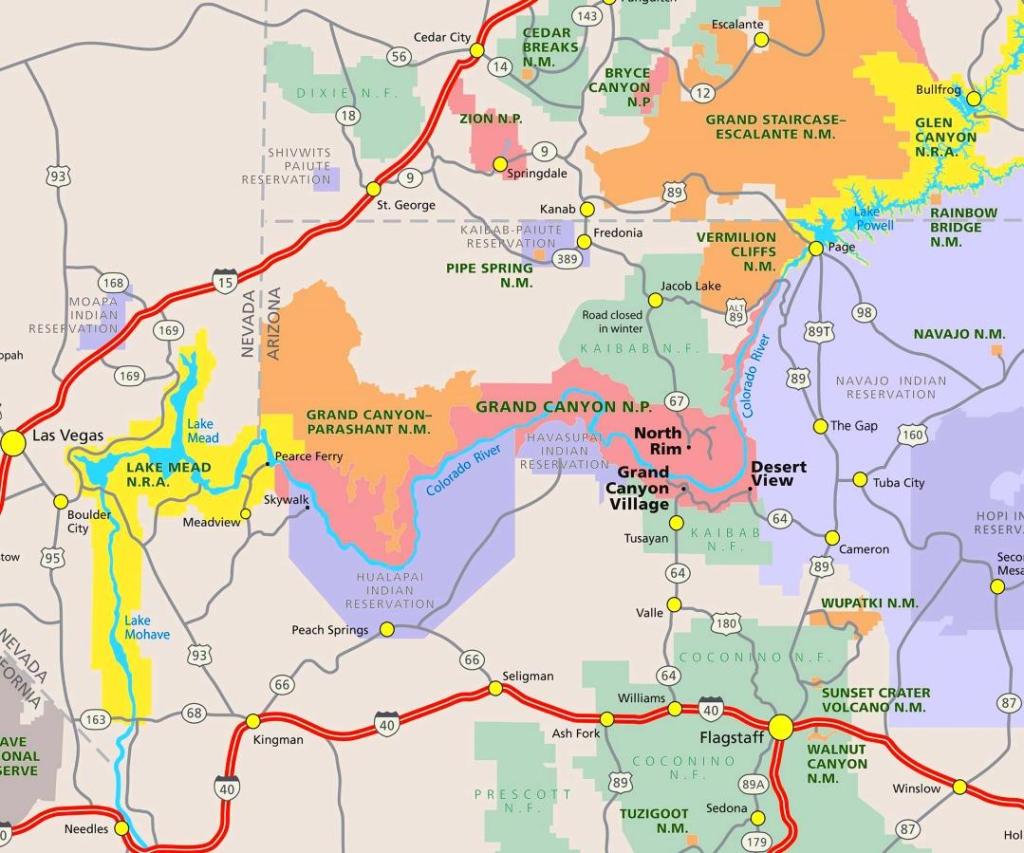
The 3 states bordering the Grand Canyon are Arizona, Nevada and Utah.
The canyon is situated in the northwest corner of Arizona, but the canyon rim partially passes through all three of these states. Here’s a map:
What is the Grand Canyon?
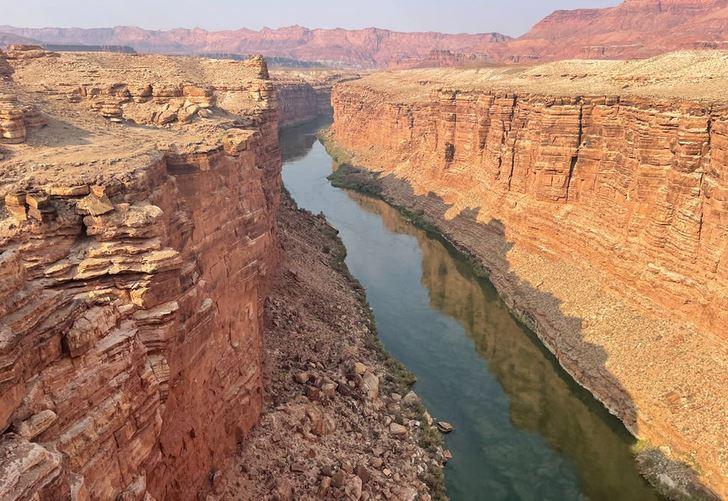
The Grand Canyon is a very steep canyon carved out of the Earth by the Colorado River.
This gargantuan work of nature spans over 277 miles long, 18 miles wide and is over a mile deep. It’s very impressive and is still expanding!
History
For thousands of years, Native Americans lived in and around the Grand Canyon. The Pueblo Indians considered it to be a sacred site. It remained holy ground for indigenous people until the first Spanish settlers appeared in 1540.

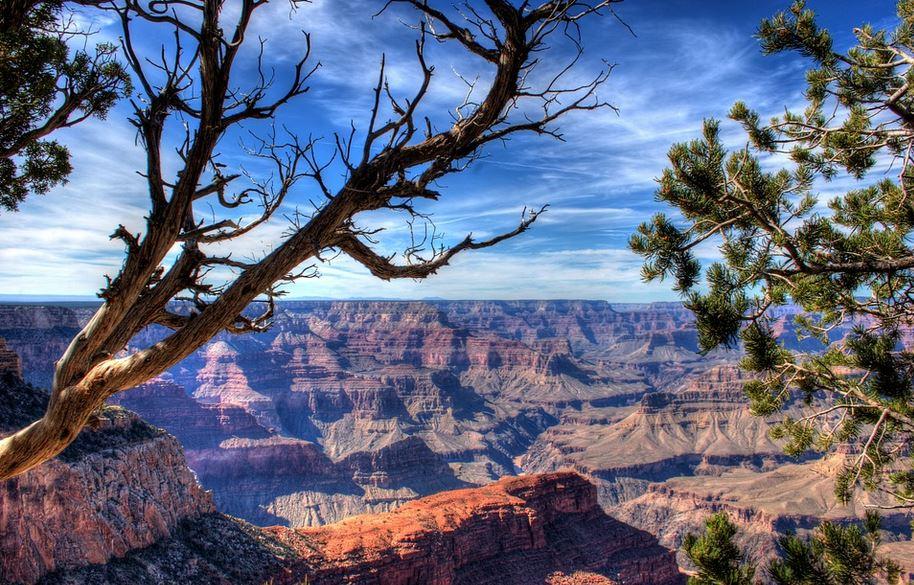
The Grand Canyon is not the deepest canyon in the world. Although it is dwarfed in size by the Kali Gandaki Gorge in Nepal, The Grand Canyon’s colorfully rich landscape makes it a far better visual experience. Have you visited? Why not?
US President Teddy Roosevelt was a great admirer of The Grand Canyon and spent may outings there hiking, fishing and hunting. He was so fond of this amazing natural wonder that he wielded his political power to preserve it in every way possible.
Amazing Facts About The Grand Canyon
- In 1889, tycoon Frank Brown planned to build a railroad along the Colorado River with the purpose of carrying coal. An expedition was launched to survey the area but because they did not have the proper boats and guidance, Brown lost his life in a drowning accident. That railroad was never built
- The Grand Canyon contains small amounts of uranium but mining of this radioactive element was suspended in 2009 due to it’s feared impact on the environment
- This area has some of the cleanest air in the world, although this can be effected by dust storms and forest fires



- It took Mother Nature approximately 3 to 6 million years to carve out The Grand Canyon. Some recent studies have asserted the fact that it may have taken 70 million years! It continues to erode today
- The Grand Canyon measures a whopping 1,900 square miles!
- No dinosaur bones have ever been found in this area, largely because the dinosaurs were long gone before the canyon formed
- Although geologists have examined less than 4% of the entire park, they have found thousands of significant artifacts dating back to 2800 B.C.
- Approximately six million tourists visit each year
- The Grand Canyon is considered one of the 8 natural wonders of the world
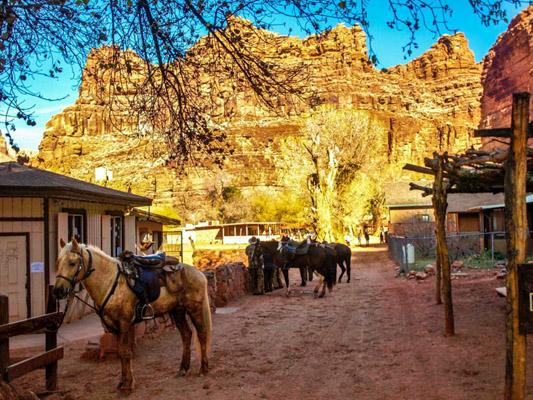
- There exists a town of 208 residents down at the bottom of the canyon. It’s called Supai Village. It is the only town in the USA that still gets their mail delivered by mule train


The Grand Canyon: Nature’s Masterpiece
The Grand Canyon, located in the heart of Arizona, USA, is not just a geological wonder but a testament to the relentless power of nature over millions of years.
Carved by the Colorado River, this vast expanse of layered rock formations offers an unparalleled spectacle that attracts millions of visitors annually.
Here’s why the Grand Canyon should be on every traveler’s bucket list.
A Geological Wonder
The Grand Canyon stretches approximately 277 miles long, up to 18 miles wide, and reaches depths of over a mile.
It’s one of the most studied landscapes due to its complex geological history.
Each layer of rock tells a story of ancient seas, desert sand dunes, and the relentless cutting action of the river.
- Rock Layers: The oldest rocks at the bottom are estimated to be about 1.8 billion years old, while the youngest at the top are around 270 million years old. The diversity in color and type of rock provides a visual history lesson of Earth’s changing environments.
- Formation: It’s believed that the canyon started forming around 6 million years ago when the Colorado River began to carve its path through the plateau. However, the exact timeline and mechanisms are still subjects of scientific debate.
The Grand Canyon – Activities and Viewing Points
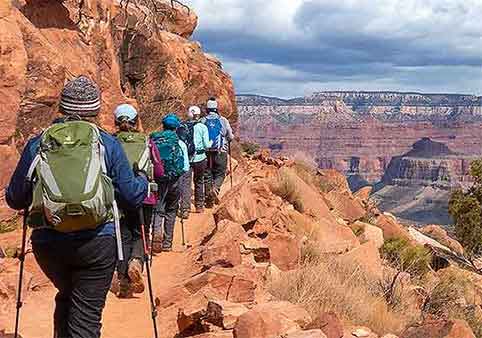
Hiking and Backpacking
The Grand Canyon offers trails for every level of hiker, from the relatively easy Rim Trail to the challenging descent to the Colorado River via the Bright Angel Trail or South Kaibab Trail.
- Bright Angel Trail: One of the most popular trails, offering stunning views and access to rest houses for day hikers.
- Rim to Rim: An ambitious hike for experienced backpackers, crossing from the South Rim to the North Rim.
Scenic Overlooks
Even if you’re not up for a hike, the Grand Canyon provides numerous spots to soak in its beauty:
- Mather Point, near the visitor center, gives you your first breathtaking view of the canyon.
- Desert View Watchtower offers panoramic views and a unique architectural experience designed by Mary Colter.
- Yavapai Point for its geological exhibits and spectacular sunset views.

Rafting the Colorado River
For the ultimate Grand Canyon experience, rafting through the canyon combines adventure with intimate views of its sheer walls.
Rafting trips can range from day trips to multi-day expeditions, offering different experiences like camping along the riverbanks or navigating through rapids.
The Grand Canyon – Wildlife and Preservation
The Grand Canyon National Park is home to an array of flora and fauna, including the elusive California condor, mule deer, and numerous species of reptiles and birds. Efforts to preserve this natural habitat are paramount, with conservation programs aiming to protect both wildlife and the geological integrity of the canyon.
Conservation Efforts
- Air Quality: Monitoring and controlling pollution to maintain clear views.
- Wildlife Protection: Programs like the condor reintroduction project help species thrive.
The Grand Canyon – Visiting Tips
- Best Time to Visit: Spring and fall offer mild weather, with fewer crowds than summer. Winter can be magical but prepare for cold and possibly snowy conditions.
- Accommodations: From historic lodges like El Tovar to campgrounds, there’s a wide range of options. Booking in advance, especially for peak season, is crucial.
- Safety: High altitude, intense sun, and the physical demand of hiking require preparation. Always carry water, use sunscreen, and respect the trails and wildlife.
The Grand Canyon is more than a tourist destination; it’s a journey through time, a lesson in geology, and a testament to the beauty of Earth’s natural processes.
Whether you’re there for a day or a week, the Grand Canyon leaves an indelible mark on your soul, reminding us of our planet’s vast history and the importance of preserving its wonders for future generations.