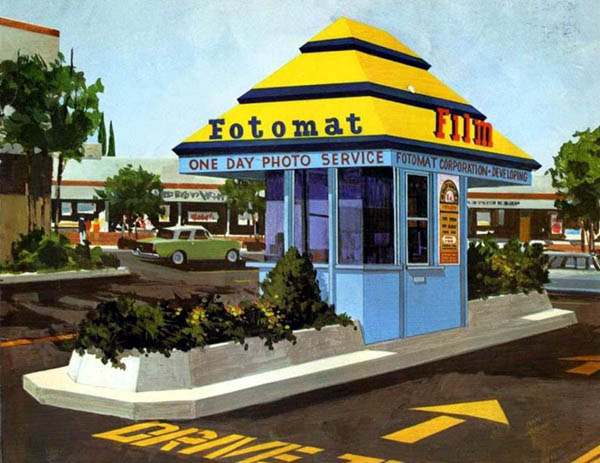
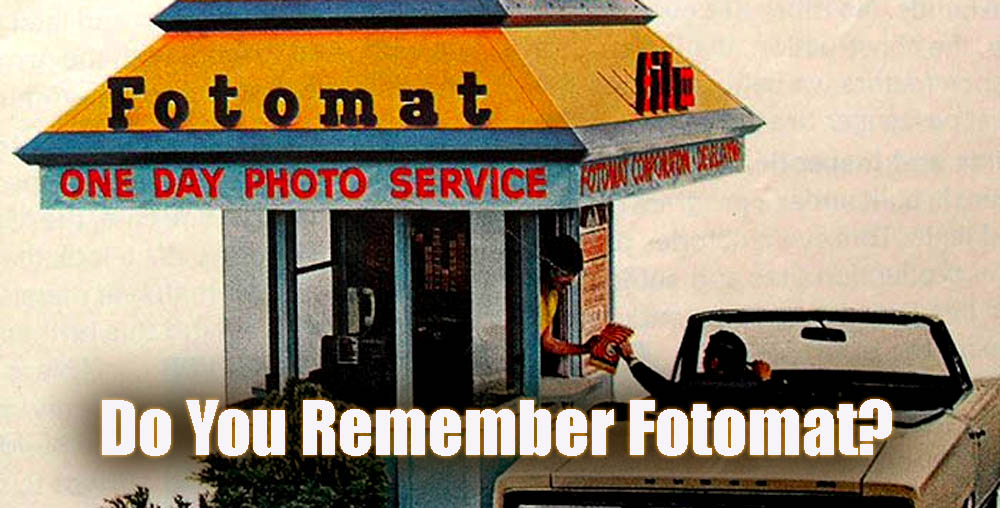
What Happened to Fotomat?
In the age of digital photography and instant sharing on social media platforms, it’s easy to forget the humble beginnings of capturing memories. However, for those who grew up in the late 20th century, Fotomat holds a special place in their hearts.
Please leave your comments in the “Leave a Reply” section at the bottom of this page
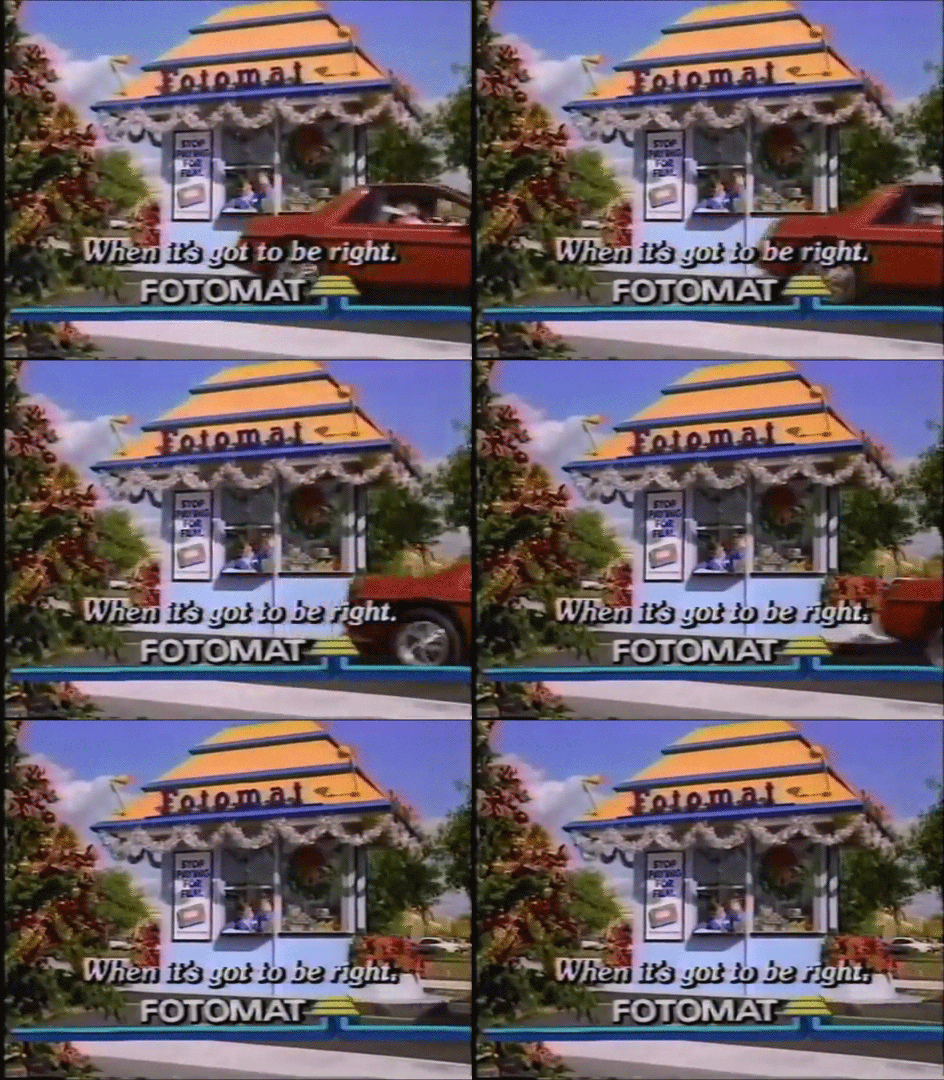
These small, drive-up photo booths were a common sight in shopping center parking lots across America, offering a convenient way to develop film and obtain prints. Join us as we take a trip down memory lane and explore the history and impact of Fotomat.
Trivia: Fotomat was founded by Preston Fleet in San Diego, California, in 1965. The concept was inspired by Fleet’s desire to create a convenient and accessible photo processing service for customers.

The Rise of Fotomat
Fotomat was founded in the early 1960s by Preston Fleet, an entrepreneur with a vision to revolutionize the photo processing industry. The concept was simple yet ingenious – small, standalone kiosks where customers could drop off their film for processing and return later to pick up their prints.
What set it apart was its drive-up convenience; customers could remain in their cars, making the entire process quick and hassle-free.
Trivia: By the late 1970s, there were over 4,000 Fotomat kiosks across the United States.
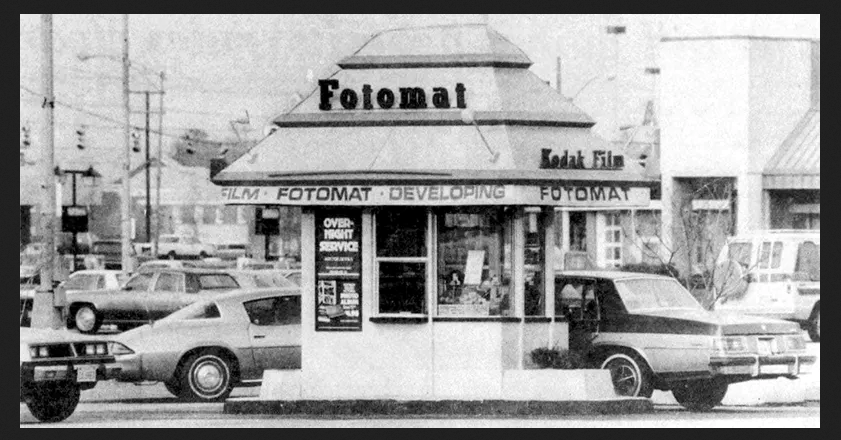
Throughout the 1970s and 1980s, Fotomat experienced rapid growth, becoming a ubiquitous presence in suburban communities across the United States. Its distinctive white and blue booths dotted the landscape, offering not only photo processing services but also a sense of nostalgia and familiarity to those who frequented them.
Trivia: Fotomat kiosks were easily identifiable by their unique design. They were designed to look like small cottages with a peaked roof, to give customers a feeling of being welcomed into a cozy home

The Experience
Visiting a Fotomat was more than just a mundane chore; it was an experience in itself. The anticipation of seeing your captured moments come to life added a sense of excitement to the process. Many people recall the a drive-through window where customers could drop off their film.
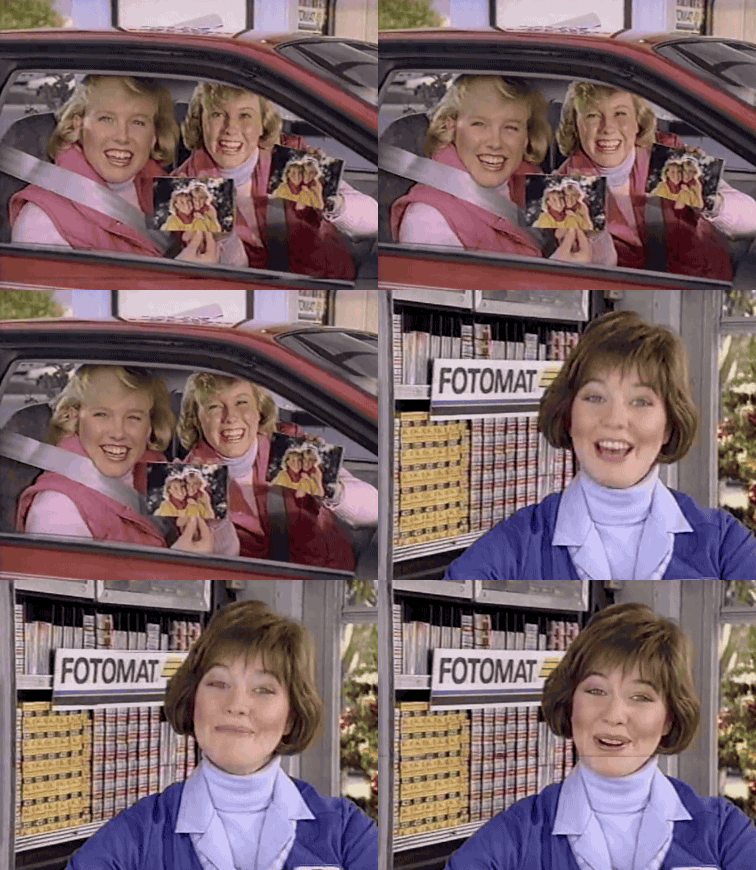
The convenience of Fotomat also contributed to its popularity. Busy families could easily swing by while running errands, dropping off their film without ever having to leave their car. This convenience factor made Fotomat a beloved fixture in communities across America.
Trivia: Today, vintage Fotomat memorabilia, such as signs, advertisements, and even miniature replica kiosks, are highly sought after by collectors
Fotomat’s Decline
Despite its initial success, Fotomat faced challenges with the advent of digital photography and one-hour photo processing services offered by larger retailers. By the late 1980s and early 1990s, the once-thriving Fotomat empire began to decline, with many booths closing their doors for good.
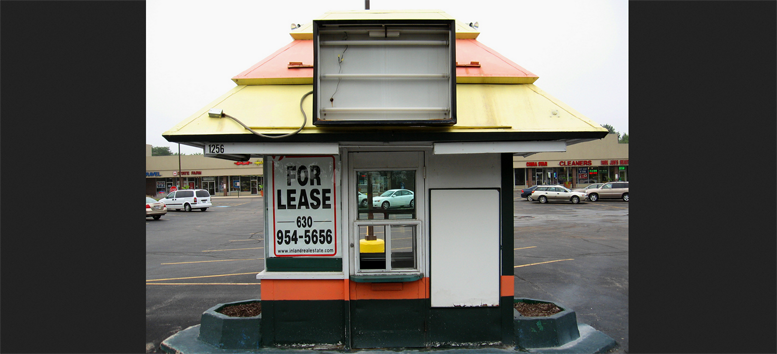
Today, Fotomat booths are rare, but I have personally seen them converted to business like coffee stands, watch repair shops and public information booths. Many people (including myself) still hold dear memories of the convenience and charm they added to photography.

Fotomat is a special part of a generation’s shared memories, a reminder of simpler times before smartphones and instant satisfaction took over.
Please leave your comments in the “Leave a Reply” section at the bottom of this page


Please leave your comments in the “Leave a Reply” section at the bottom of this page