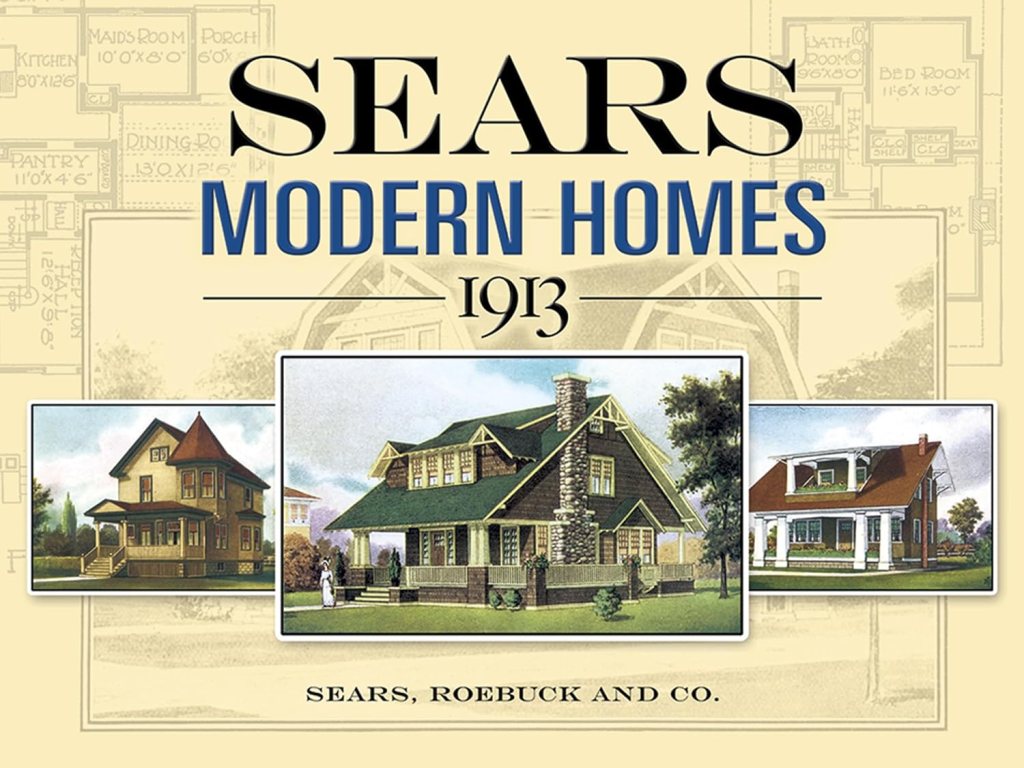
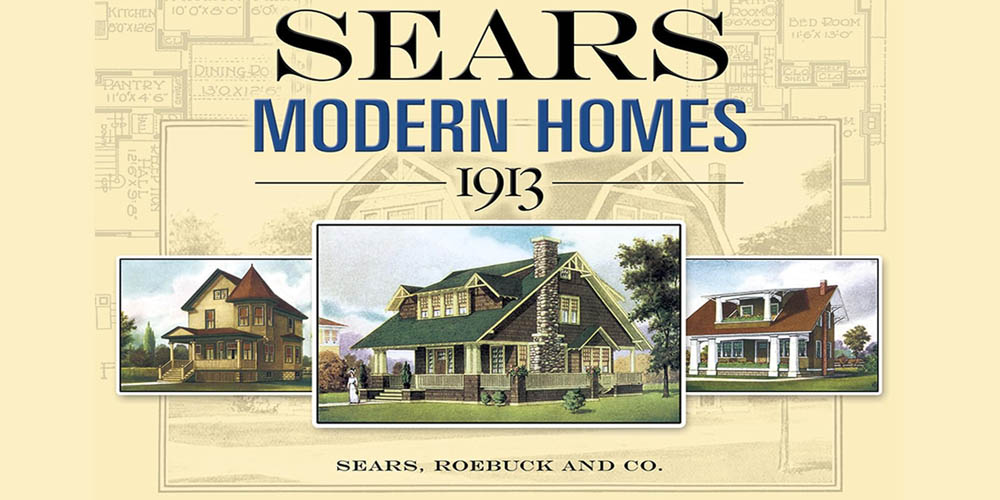
Sears Modern Homes, a pioneering venture by Sears, Roebuck and Co., the renowned American retailer, offered houses primarily through mail-order catalogs.
Please leave your comments in the “Leave a Reply” section at the bottom of this page
Between 1908 and 1942, Sears boasted the sale of over 70,000 of these homes across North America, according to the company’s records. While the majority of purchases were made by customers residing in East Coast and Midwest states, Sears Modern Homes found their way to various corners of the continent, stretching from Florida in the south to California in the west, and even reaching as far as Alaska and Canada in the north
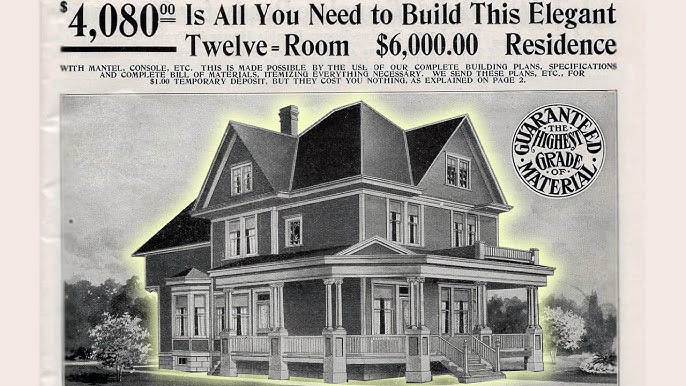
Exploring Sears Modern Homes
In the early 20th century, amidst the bustling American landscape, Sears, Roebuck and Co. revolutionized the concept of home ownership by introducing Sears Modern Homes. This pioneering venture offered pre-cut, ready-to-assemble houses through mail-order catalogs, forever changing the way Americans approached the idea of building and owning a home. Let’s take a journey into the fascinating world of Sears Modern Homes and uncover the legacy they’ve left behind.
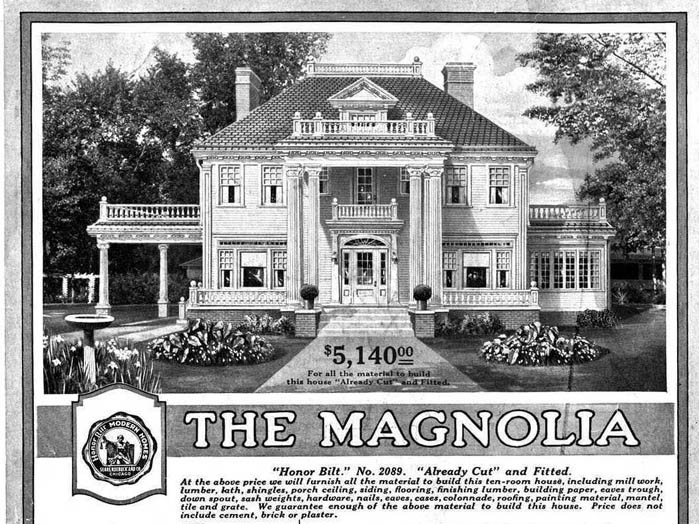
1908: The Birth
The year was 1908 when Sears, Roebuck and Co., a household name even then, ventured into the realm of housing. With a vision to provide affordable, quality homes to the masses, they introduced their first mail-order catalog featuring house plans and materials. This innovative concept allowed individuals across the nation to realize their dream of home ownership with ease.

Sears Modern Homes: The Catalog Experience
Imagine flipping through the pages of a Sears Modern Homes catalog, each filled with a diverse array of house designs ranging from cozy bungalows to spacious two-story dwellings. Customers could choose a design that suited their tastes and needs, with options for customization. Alongside each design were detailed descriptions, floor plans, and even estimated costs, empowering prospective homeowners to make informed decisions.
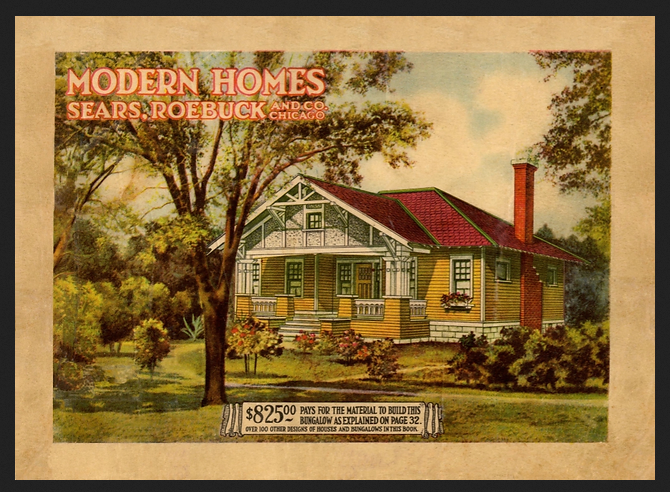
The Building Process
Upon selecting their desired design, customers would place an order with Sears. The company would then ship all the necessary materials, including pre-cut lumber, windows, doors, nails, and even paint, directly to the customer’s location via railroad. Armed with a comprehensive instruction manual, homeowners could embark on the exhilarating journey of assembling their new abode.
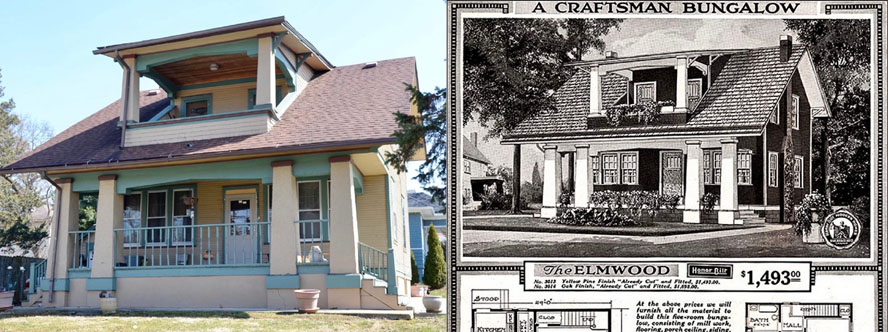
The Legacy Lives On
While Sears Modern Homes ceased production in the 1940s, their impact on American architecture and culture endures to this day. Many of these homes still stand, cherished for their historical significance and timeless appeal. From quaint neighborhoods to bustling cities, these homes serve as a testament to an era defined by innovation and aspiration.

Sears Modern Homes: Preserving History
In recent years, there has been a resurgence of interest in Sears Modern Homes, fueled by a desire to preserve these architectural treasures. Enthusiasts and historians alike work tirelessly to document and restore these homes, ensuring that their legacy continues to be celebrated for generations to come.
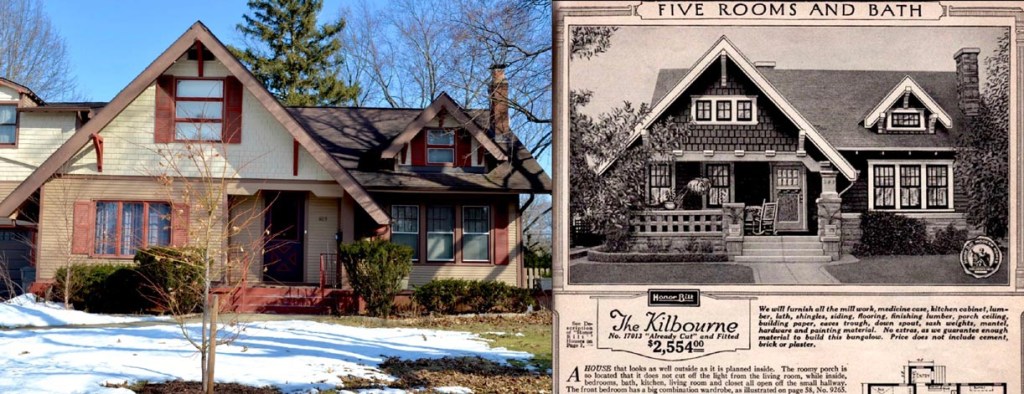
Home Sweet Home
Sears Modern Homes represent more than just structures; they embody a vision of accessibility, innovation, and the enduring dream of home ownership. As we reflect on their legacy, let us remember the pioneering spirit of Sears, Roebuck and Co., and the countless individuals who turned the pages of a catalog and found a place to call home.
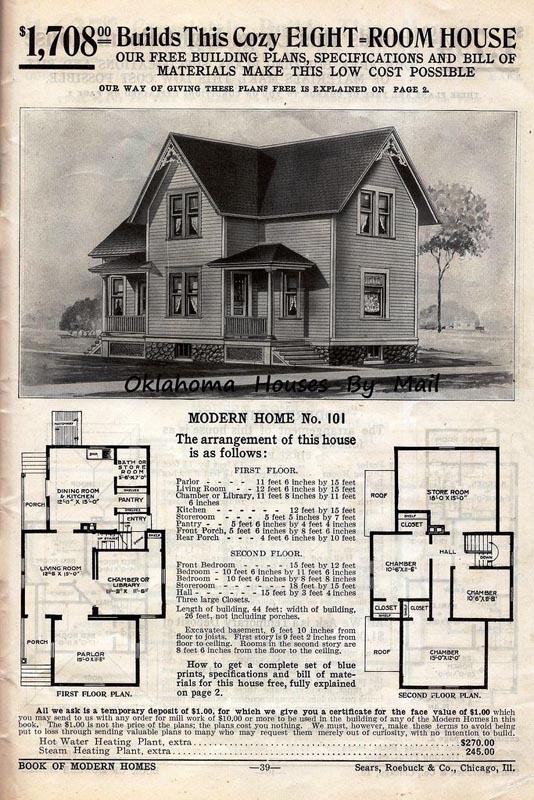

Trivia
- Mail-Order Mastery: Sears Homes were among the earliest examples of mail-order housing, showcasing Sears, Roebuck and Co.’s innovative approach to commerce.
- Catalog Variety: The Sears Homes catalog offered an extensive range of designs, catering to various architectural tastes and budget constraints, from modest bungalows to grand colonial-style residences.
- Innovative Materials: These homes were ahead of their time, featuring pre-cut and pre-fabricated materials, which significantly streamlined the construction process and reduced building costs.
- Famous Residents: Over the years, Sears Homes have been inhabited by notable figures, including politicians, celebrities, and even members of royalty, adding to their historical allure.
- DIY Dream: Many Sears Homes were assembled by the homeowners themselves, showcasing the DIY spirit prevalent during the early 20th century.
- Community Building: Entire neighborhoods composed of Sears Modern Homes sprung up in various cities and towns across North America, fostering a sense of community among homeowners who shared a common bond through their Sears houses.
- Architectural Influence: The designs featured in Sears Modern Homes catalogs reflected the architectural trends of their time, with styles ranging from Craftsman and Colonial Revival to Mediterranean and Prairie.
- Catalog Preservation: Collectors and enthusiasts still treasure original Sears Modern Homes catalogs, considering them valuable artifacts that provide insight into early 20th-century American housing trends and lifestyles.
- Restoration Projects: Restoration efforts are underway in many communities to preserve and maintain Sears Modern Homes, highlighting their enduring appeal and historical significance.
- Cultural Icon: Sears Modern Homes have become cultural icons, symbolizing the spirit of innovation, accessibility, and the American dream of home-ownership that characterized the early 20th century.


SEARS – The Downfall
The Retailer Who Taught America How to Shop Sears’ lifetime embodied and spanned the rise of modern American shopping culture. At one time, the 130-year-old mass retailer was the largest in the U.S. and an essential part of many American consumers’ daily lives. From its humble beginnings, as a 19th Century mail-order catalog to its…
Keep reading
Please leave your comments in the “Leave a Reply” section at the bottom of this page


Please leave your comments in the “Leave a Reply” section at the bottom of this page