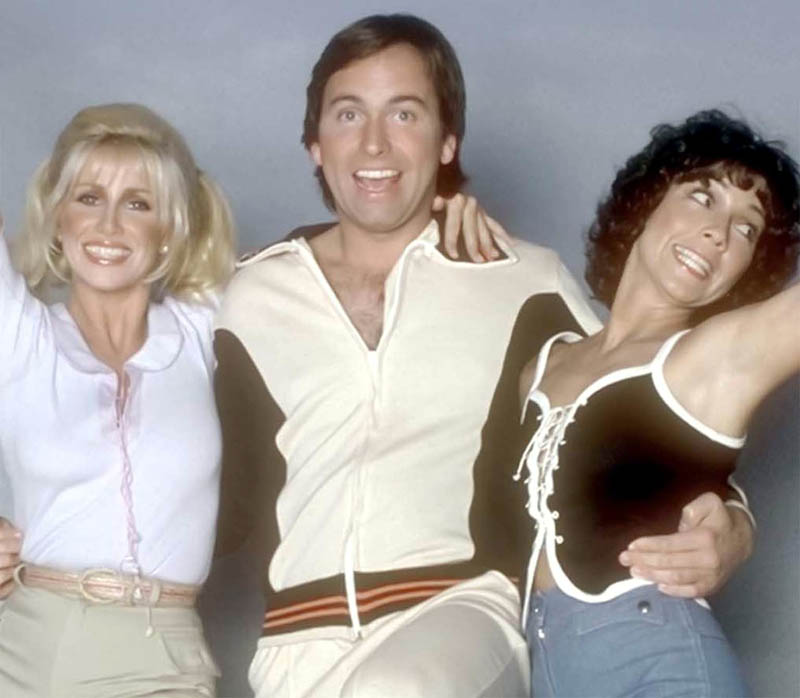
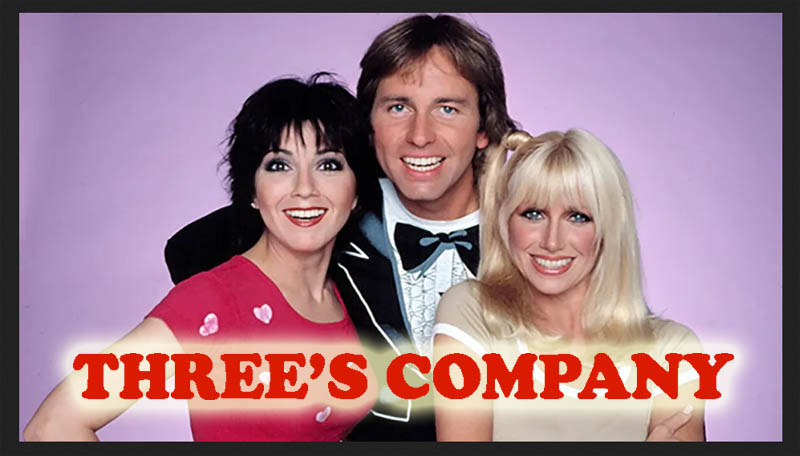
Three’s Company, a groundbreaking sitcom that graced television screens from 1977 to 1984, remains a timeless classic cherished by generations of viewers. The show’s unique premise, witty humor, and unforgettable characters make it a standout in the world of television. In this article, we’ll delve into the charm and enduring appeal of Three’s Company, exploring its cultural impact and why it continues to be beloved by audiences even today.

The Idea
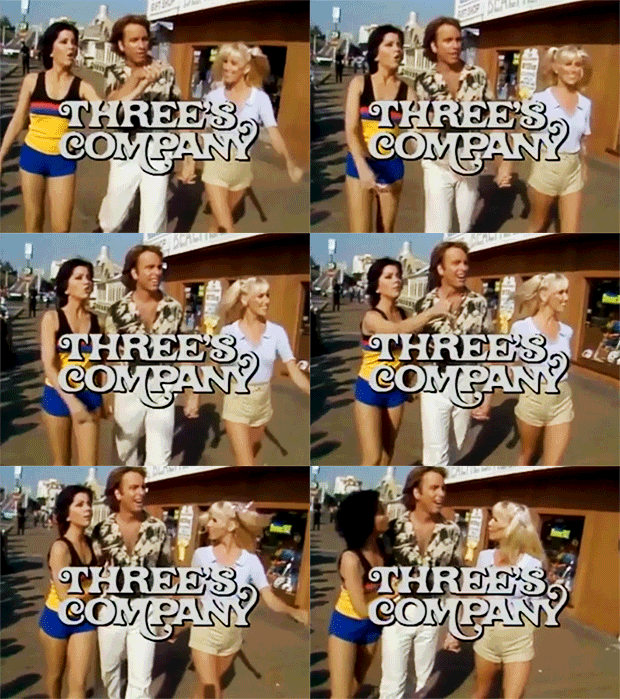
Three’s Company revolves around the misadventures of Jack Tripper, played by the iconic John Ritter, who pretends to be gay in order to live with two single women, Janet Wood (Joyce DeWitt) and Chrissy Snow (Suzanne Somers). The trio shares an apartment in Santa Monica, and the series unfolds as they navigate the challenges of misunderstandings, comedic situations, and relationships.
Please leave your comments in the “Leave a Reply” section at the bottom of this page
Hilarious!
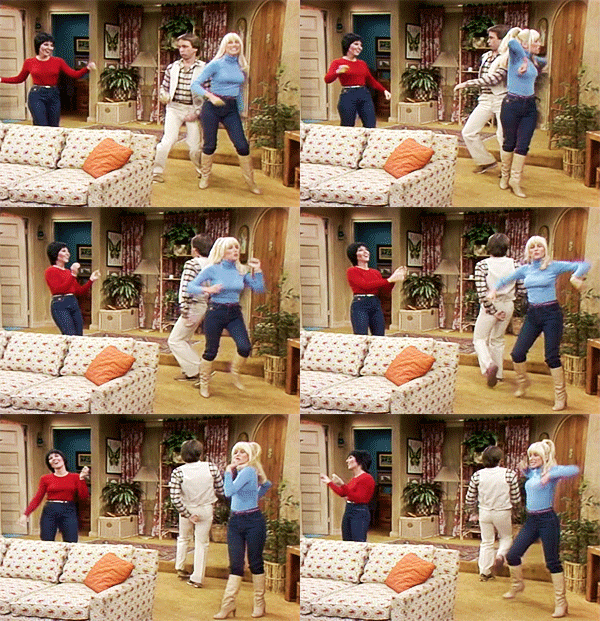
At the heart of Three’s Company is its impeccable comedic timing and slapstick humor. The show masterfully blends physical comedy with witty dialogue, creating a unique comedic atmosphere that captivated audiences. John Ritter’s portrayal of the clumsy yet lovable Jack Tripper earned him critical acclaim and solidified his place as a sitcom legend.

The Characters
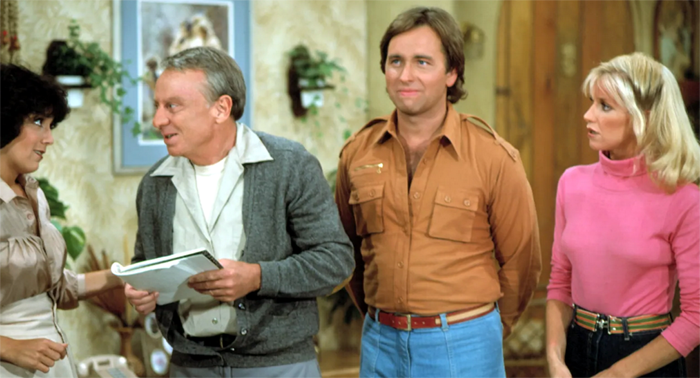
The chemistry between the main cast members contributed significantly to the show’s success. Janet’s practicality, Chrissy’s innocence, and Jack’s comedic antics created a dynamic trio that resonated with viewers. The addition of quirky neighbors and friends, such as Mr. Furley (Don Knotts) and Larry Dallas (Richard Kline), added to the show’s charm, providing a rich tapestry of characters that left a lasting impression
Three’s Company: Breaking New Ground
Three’s Company broke new ground by addressing social issues in a lighthearted manner. The show challenged traditional norms and stereotypes, tackling topics like gender roles and relationships with humor and charm. While some critics initially questioned the premise, the series ultimately played a role in fostering discussions around societal norms and acceptance

Enduring Popularity
Despite facing its fair share of controversies, Three’s Company has stood the test of time. Its legacy lives on through reruns, streaming services, and a dedicated fan base. The show’s influence can be seen in subsequent sitcoms that drew inspiration from its comedic formula and ensemble cast dynamic.
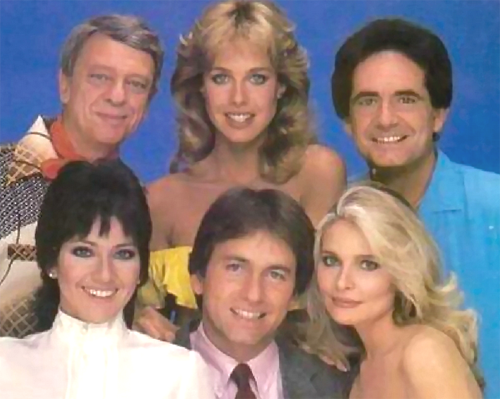
Three’s Company remains a classic sitcom that continues to bring joy and laughter to audiences worldwide. Its timeless humor, memorable characters, and societal impact have cemented its place in the annals of television history. Whether you’re a longtime fan or a newcomer discovering the series, Three’s Company is a must-watch for anyone who appreciates the magic of a well-crafted sitcom.
Three’s Company Cast
- John Ritter as Jack Tripper
- Joyce DeWitt as Janet Wood
- Suzanne Somers as Chrissy Snow (seasons 1-5)
- Jenilee Harrison as Cindy Snow (seasons 6-8)
- Norman Fell as Stanley Roper (seasons 1-3)
- Audra Lindley as Helen Roper (seasons 1-3)
- Don Knotts as Ralph Furley (seasons 4-8)
- Richard Kline as Larry Dallas (recurring character throughout the series)
Three’s Company Trivia
- Original Pilot and Development: The original pilot of “Three’s Company” was titled “Man About the House,” based on the British sitcom of the same name. The show underwent several changes before making it to the American television screen, with differences in characters and dynamics.
- Casting Changes: Suzanne Somers, who portrayed Chrissy Snow, left the show after the fifth season due to a contract dispute with the producers. Jenilee Harrison then joined as Chrissy’s cousin, Cindy Snow, for the following two seasons.
- Don Knotts’ Iconic Role: Don Knotts joined the cast in the fourth season as Mr. Furley, the bumbling landlord. Knotts replaced Norman Fell and Audra Lindley, who played the original landlords, the Ropers, and brought his own comedic flair to the show.
- Physical Comedy Expertise: John Ritter, known for his impeccable physical comedy, won the Primetime Emmy Award for Outstanding Lead Actor in a Comedy Series for his role as Jack Tripper in 1984. His ability to execute slapstick humor contributed significantly to the show’s success.
- Cultural Impact: “Three’s Company” was not without controversy due to its premise of a man living with two single women. However, it is often credited with helping to change societal attitudes towards cohabitation and challenging traditional norms.
- Spin-offs: The success of “Three’s Company” led to two spin-offs: “The Ropers,” centered around the Roper characters in a new setting, and “Three’s a Crowd,” which followed Jack Tripper’s post-apartment life. Both spin-offs had shorter runs than the original series.
- Set Design: The iconic apartment set used in “Three’s Company” became one of the most recognizable in television history. The Santa Monica-based apartment featured vibrant colors and a cozy layout that reflected the breezy California lifestyle of the late ’70s and early ’80s.
- Record-Breaking Finale: The series finale, titled “Friends and Lovers,” aired on September 18, 1984, and attracted over 40 million viewers. It remains one of the highest-rated series finales in television history.
- Honors and Awards: “Three’s Company” received numerous award nominations and accolades during its run, including Golden Globe Awards and Primetime Emmy Awards for its cast and production team.
- Legacy in Syndication: Even after its original run, “Three’s Company” continued to find success in syndication, introducing the show to new generations of viewers. Its enduring popularity has solidified its status as a classic sitcom.
Please leave your comments in the “Leave a Reply” section at the bottom of this page


Please leave your comments in the “Leave a Reply” section at the bottom of this page