Unveiling the Timeless Charm of Spaghetti Westerns: A Cinematic Journey to the Wild West
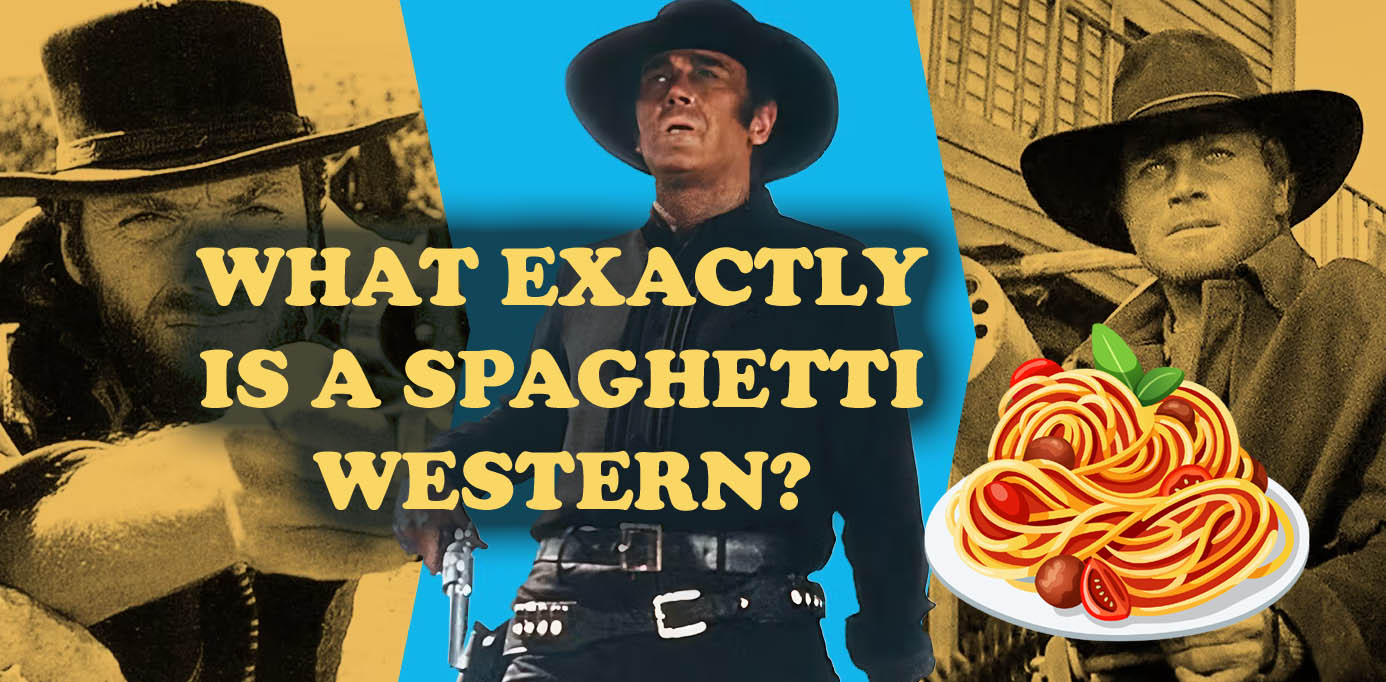
Step into the dusty, sun-soaked landscapes of the American Wild West, where gritty anti-heroes and lawless frontiers define the essence of Spaghetti Westerns.
This sub-genre of Western films, which emerged primarily in the 1960s and 1970s, revolutionized the way audiences perceived and experienced the classic tales of the Old West.
In this article, we’ll explore the origins, characteristics, and enduring appeal of Spaghetti Westerns.
Please leave your comments in the “Leave a Reply” section at the bottom of this page
Leave a Reply
The Birth of Spaghetti Westerns
The term “Spaghetti Western” originated from the fact that many of these films were produced by Italian filmmakers, often on a low budget, and frequently filmed in Spain or other European locations that stood in for the American West.
Sergio Leone, an iconic director in this genre, is often credited with giving birth to the Spaghetti Western with his “Dollars Trilogy,” featuring A Fistful of Dollars (1964), For a Few Dollars More (1965), and The Good, the Bad and the Ugly (1966).
Distinctive Characteristics
What sets Spaghetti Westerns apart from their American counterparts?
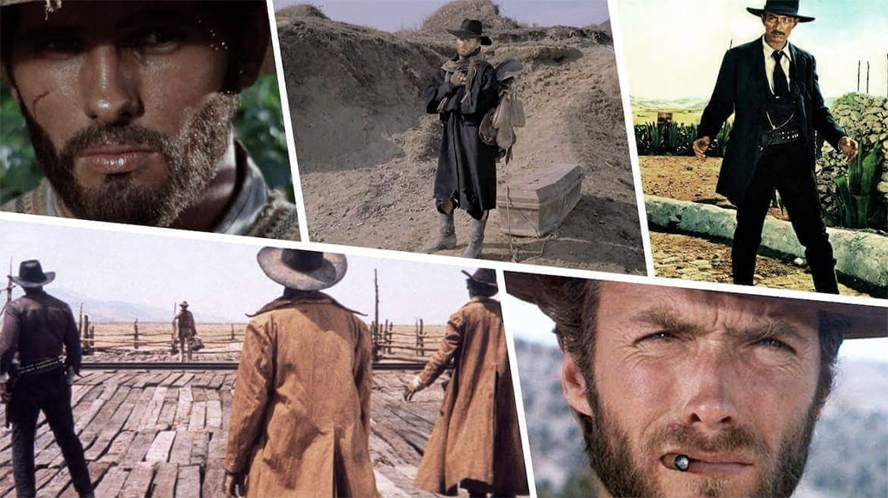
These films are characterized by their morally ambiguous protagonists, stylized violence, and a unique blend of intense close-ups and panoramic shots.
Ennio Morricone’s unforgettable musical scores, featuring twangy guitars and haunting melodies, further contribute to the distinct atmosphere of these films.
The Spaghetti Westerns often embraced a more cynical and realistic portrayal of the Old West, challenging the traditional hero narrative.
Influenced by Kurosawa The 1964 classic A Fistful of Dollars was an unauthorized remake of Akira Kurosawa’s 1961 samurai film Yojimbo. Kurosawa successfully sued director Sergio Leone, winning exclusive distribution rights for Fistful in Japan, as well as 15% of the international box office.
Spaghetti Westerns: Iconic Characters
These great films introduced audiences to a new breed of characters who defied the conventional hero and villain archetypes.
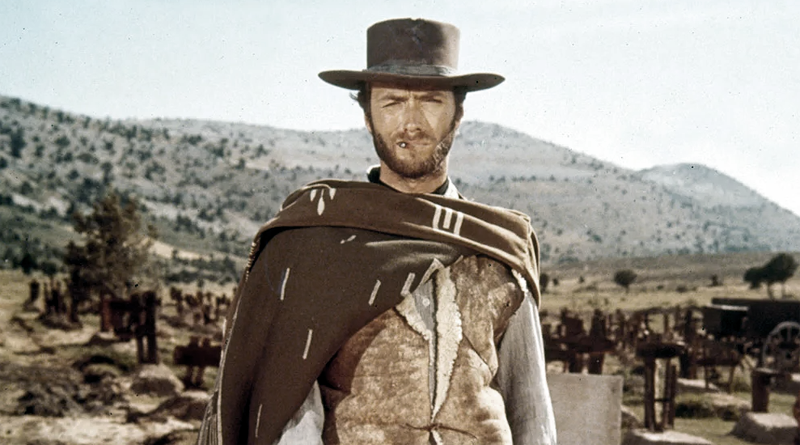
Clint Eastwood’s Man with No Name, portrayed in the Dollars Trilogy, became an iconic figure, embodying the mysterious and morally ambiguous anti-hero.
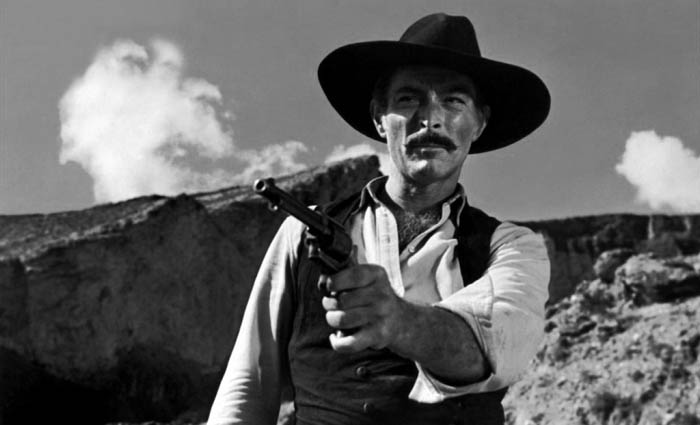
Other memorable characters include Lee Van Cleef’s Colonel Mortimer and Charles Bronson’s Harmonica, each with their own motives and shades of gray.
Influence on the Western Genre
This film genre revitalized the Western genre, inspiring imitations and influencing Hollywood towards a more gritty and realistic storytelling approach.
Directors such as Quentin Tarantino recognize the lasting impact of Spaghetti Westerns on their work.
Enduring Appeal
Despite the passage of time, Spaghetti Westerns continue to captivate audiences with their unique blend of action, suspense, and unconventional storytelling.
The genre’s influence can be seen in contemporary films, television series, and even video games that pay homage to the rugged spirit of the Old West

Great Storytelling
As we ride into the sunset of this exploration, it’s evident that Spaghetti Westerns have left an indelible mark on the cinematic landscape.
The genre’s innovative storytelling, memorable characters, and atmospheric cinematography have secured its place in the pantheon of film history.
So, dust off your cowboy hat and embark on a journey through the Old West films that continue to define the untamed spirit of the American frontier.
Please leave your comments in the “Leave a Reply” section at the bottom of this page
Here’s a list of some notable films that have left a lasting impact on the genre:
- “A Fistful of Dollars” (1964) – Directed by Sergio Leone
- “For a Few Dollars More” (1965) – Directed by Sergio Leone
- “The Good, the Bad and the Ugly” (1966) – Directed by Sergio Leone
- “Django” (1966) – Directed by Sergio Corbucci
- “Once Upon a Time in the West” (1968) – Directed by Sergio Leone
- “Django Kill… If You Live, Shoot!” (1967) – Directed by Giulio Questi
- “The Big Gundown” (1966) – Directed by Sergio Sollima
- “Death Rides a Horse” (1967) – Directed by Giulio Petroni
- “A Bullet for the General” (1966) – Directed by Damiano Damiani
- “Navajo Joe” (1966) – Directed by Sergio Corbucci
- “Sabata” (1969) – Directed by Gianfranco Parolini
- “Duck, You Sucker!” (1971) – Directed by Sergio Leone
- “The Great Silence” (1968) – Directed by Sergio Corbucci
- “Face to Face” (1967) – Directed by Sergio Sollima
- “Companeros” (1970) – Directed by Sergio Corbucci
- “Tepepa” (1969) – Directed by Giulio Petroni
- “The Mercenary” (1968) – Directed by Sergio Corbucci
- “Keoma” (1976) – Directed by Enzo G. Castellari
- “My Name is Nobody” (1973) – Directed by Tonino Valerii
- “Blindman” (1971) – Directed by Ferdinando Baldi
Great Films
These films represent a diverse range of storytelling, characters, and styles within the Spaghetti Western genre, showcasing the creativity and innovation that emerged during the peak of its popularity in the 1960s and 1970s.
Certainly! Spaghetti Westerns featured a variety of talented actors and actresses who became synonymous with the genre. Here’s a list of some notable performers:
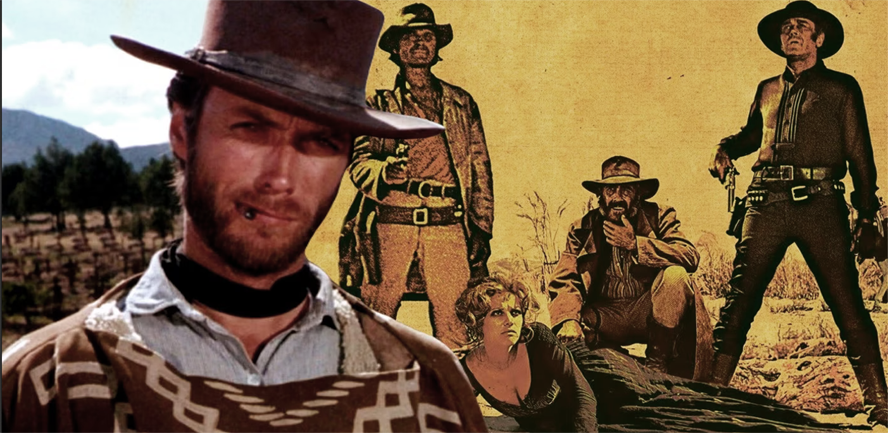
Spaghetti Western Actors
- Clint Eastwood – Known for his iconic role as the Man with No Name in Sergio Leone’s Dollars Trilogy.
- Lee Van Cleef – Portrayed memorable characters in several Spaghetti Westerns, including “For a Few Dollars More” and “The Good, the Bad and the Ugly.”
- Franco Nero – Gained fame as the title character in the classic Spaghetti Western “Django.”
- Charles Bronson – Starred in Spaghetti Westerns like “Once Upon a Time in the West” and “A Fistful of Dynamite.”
- Gian Maria Volontè – Known for his roles in “A Fistful of Dollars” and “For a Few Dollars More.”
- Tomas Milian – Featured in Spaghetti Westerns such as “The Big Gundown” and “Face to Face.”
- Terence Hill – Teamed up with Bud Spencer in several Spaghetti Western comedies like “They Call Me Trinity.”
- Bud Spencer – Known for his collaborations with Terence Hill in Spaghetti Western comedies.
- Klaus Kinski – Notable for his roles in “For a Few Dollars More” and “A Bullet for the General.”
- James Coburn – Appeared in Spaghetti Westerns like “Duck, You Sucker!”
Actresses
- Claudia Cardinale – Played a prominent role in “Once Upon a Time in the West.”
- Rosanna Schiaffino – Appeared in Spaghetti Westerns such as “The Belle Starr Story” and “Shooting Is Better.”
- Nicoletta Machiavelli – Featured in “The Good, the Bad and the Ugly” and “Navajo Joe.”
- Marianne Koch – Played a key role in “A Fistful of Dollars.”
- Elsa Martinelli – Acted in Spaghetti Westerns like “The Belle Starr Story” and “Django Shoots First.”
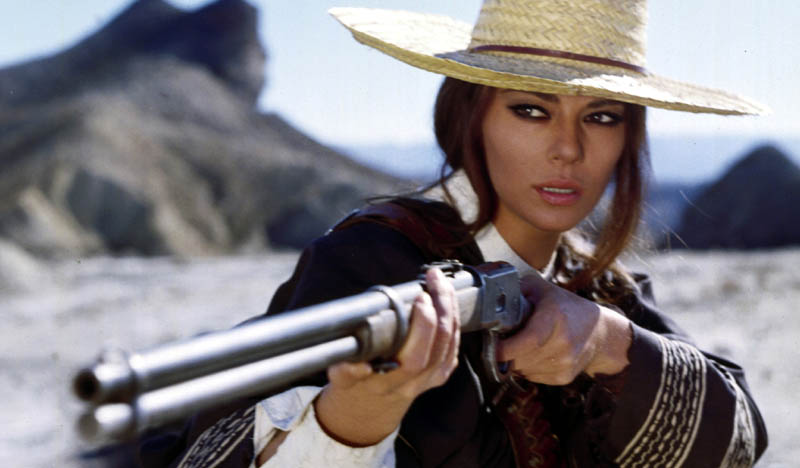
While Spaghetti Westerns are often associated with male leads, several actresses made notable contributions to the genre, adding depth and intrigue to these classic films.
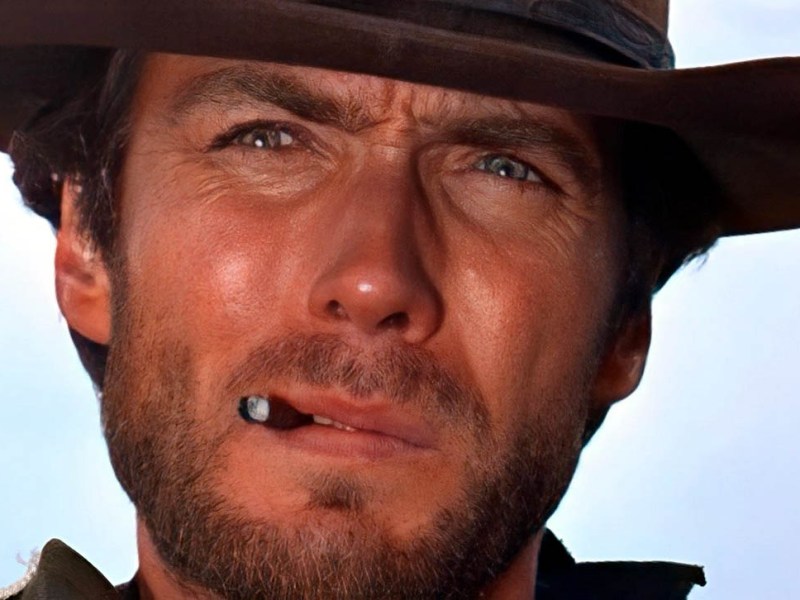
Clint Eastwood – An Amazing Life
The Enduring Legacy of Clint Eastwood In the annals of Hollywood, few names resonate with the same iconic force as Clint Eastwood. Born on May 31, 1930, in San Francisco, Eastwood’s journey from humble beginnings to cinematic legend is a testament to talent and tenacity. Early Life and Career Beginnings Clint Eastwood’s early life was…
Keep reading
Please leave your comments in the “Leave a Reply” section at the bottom of this page