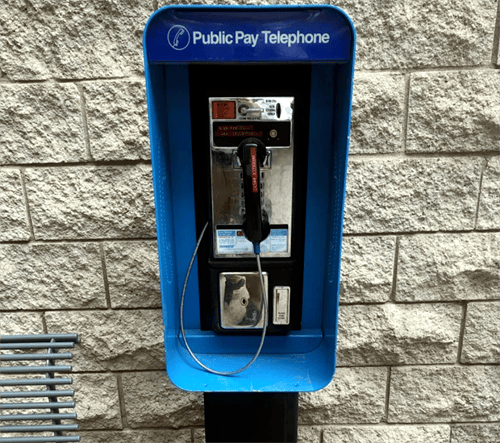
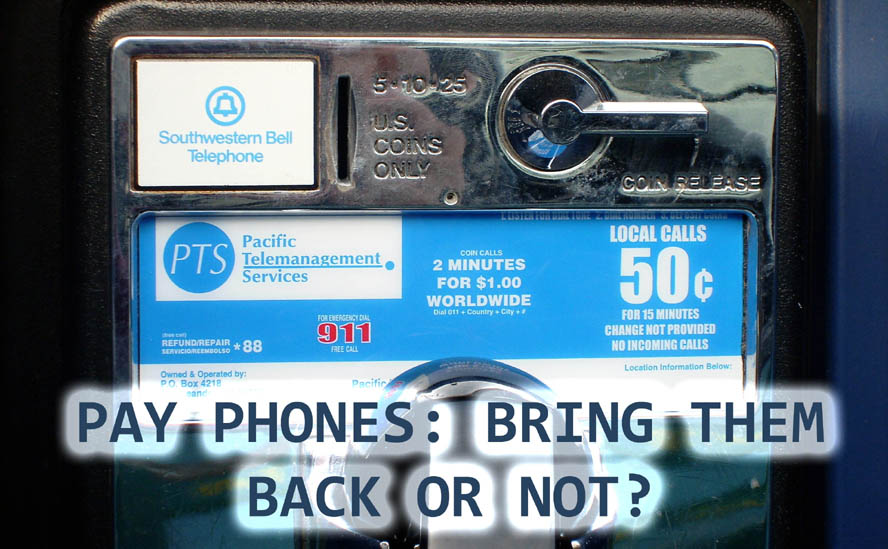
In an era dominated by smartphones and instant communication, it’s easy to forget the days when pay phones were the lifeline for individuals on the go. The history of these phones is a fascinating journey that reflects the evolution of communication technology and societal changes.
Be sure to add your comments in the “Leave a Reply” section at the bottom of this page
The Birth of Pay Phones
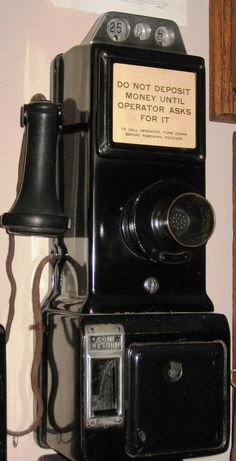
The concept of these cool phones can be traced back to the late 19th century when the first public coin-operated telephone was introduced in Hartford, Connecticut, in 1889. Early phones were clunky and required users to insert coins after each call, but they marked a significant step forward in making telephone communication more accessible to the public
Rise to Prominence
As the telephone network expanded in the early 20th century, so did the prevalence of pay phones. By the mid-20th century, pay phones were ubiquitous in urban areas, providing a convenient means of communication for people on the move. Whether in bustling city centers or remote rural locations, pay phones became an essential part of the public communication infrastructure

Iconic Designs and Innovations
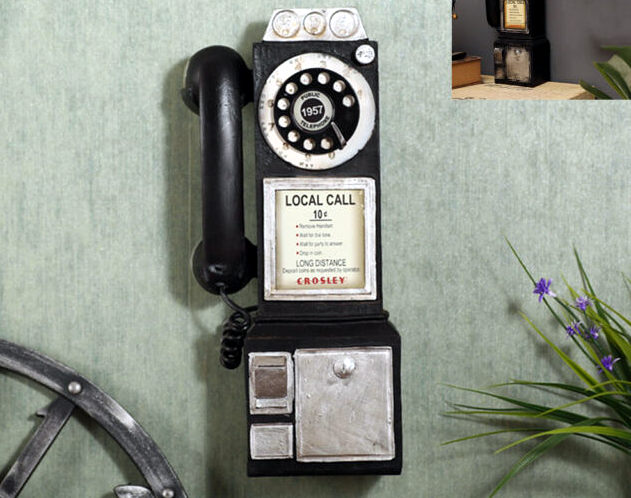
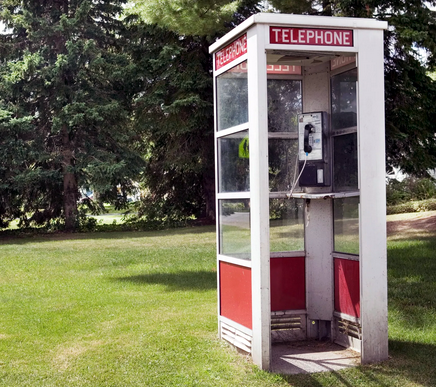
Pay phones became iconic fixtures in public spaces, each with its unique design and charm. From classic red phone booths to sleek standalone kiosks, these communication hubs were as much a part of the urban landscape as skyscrapers and street lamps. Innovations such as touch-tone dialing and the introduction of calling cards brought added convenience to phone users.
The Role of Pay Phones in Emergencies
One of the notable aspects of pay phones was their crucial role during emergencies. When disaster struck or individuals found themselves in need of urgent assistance, phones were often the go-to means of communication. This reliability in times of crisis earned these phones a special place in the hearts of many.

Decline in the Digital Age
The advent of mobile phones in the late 20th century marked a turning point for pay phones. With the convenience of carrying a personal phone everywhere, the demand for pay phones dwindled. The 21st century witnessed a rapid decline in the number of pay phones, as mobile technology became more affordable and widespread.
Nostalgia and Remnants
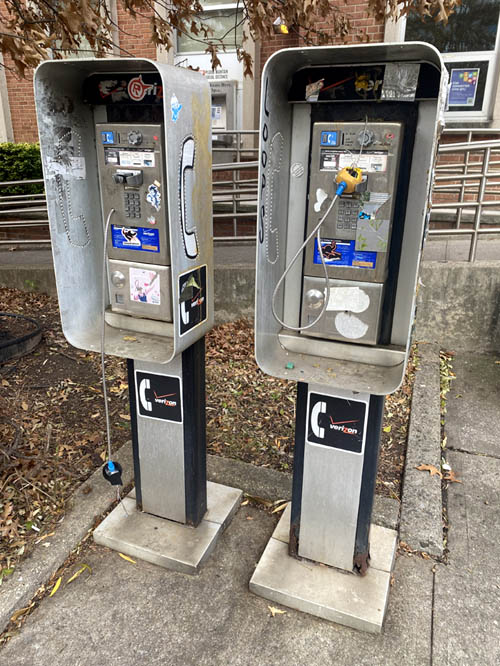
While these phones are largely a relic of the past, remnants of this bygone era can still be found in certain locations. Some cities preserve iconic pay phone booths as symbols of nostalgia, and enthusiasts collect vintage phones as reminders of a simpler time in communication history

The history of these phones is a journey that spans over a century, reflecting the evolution of communication technology and societal shifts. From their humble beginnings in the late 1800s to their iconic status in the mid-20th century, pay phones played a significant role in connecting people across the globe.
Though their prominence has waned in the digital age, the nostalgia for these communication hubs persists, reminding us of a time when a simple coin could connect us to the world.
Be sure to add your comments in the “Leave a Reply” section at the bottom of this page


Please leave your comments in the “Leave a Reply” section at the bottom of this page