Unpacking the Horror Classic: “Carrie” (1976)
In the pantheon of horror films, few have left an indelible mark like Brian De Palma’s adaptation of Stephen King’s first novel, “Carrie.”
Released in 1976, “Carrie” not only established King as a master of modern horror but also showcased De Palma’s stylistic flair, combining suspense, psychological horror, and the raw portrayal of teenage angst.
Here, we explore why this film remains a seminal film in the genre.
Plot Summary
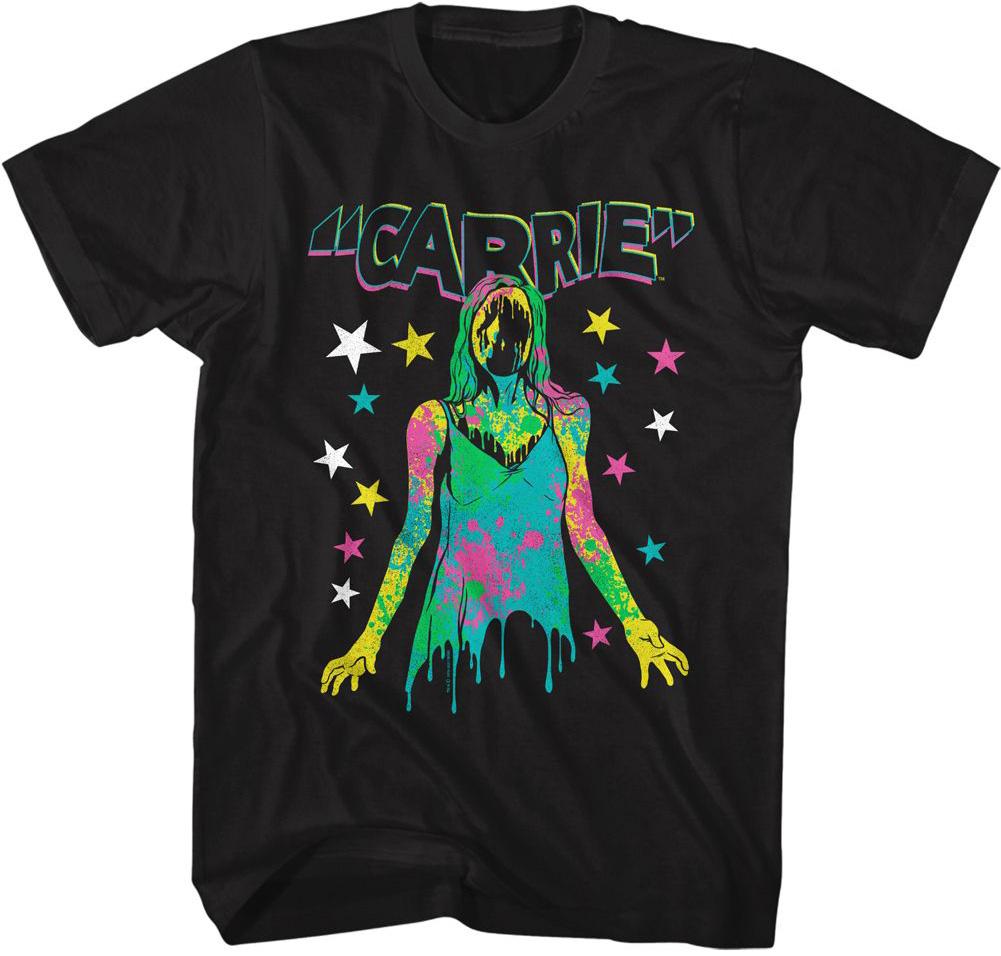
“Carrie” tells the story of Carrie White (Sissy Spacek), a shy, introverted high school student in the fictional town of Chamberlain, Maine.
Tormented by her peers and raised by her fanatically religious mother, Margaret White (Piper Laurie), Carrie’s life takes a dramatic turn when she discovers she has telekinetic powers.

Please leave your comments in the “Leave a Reply” section at the bottom of this page
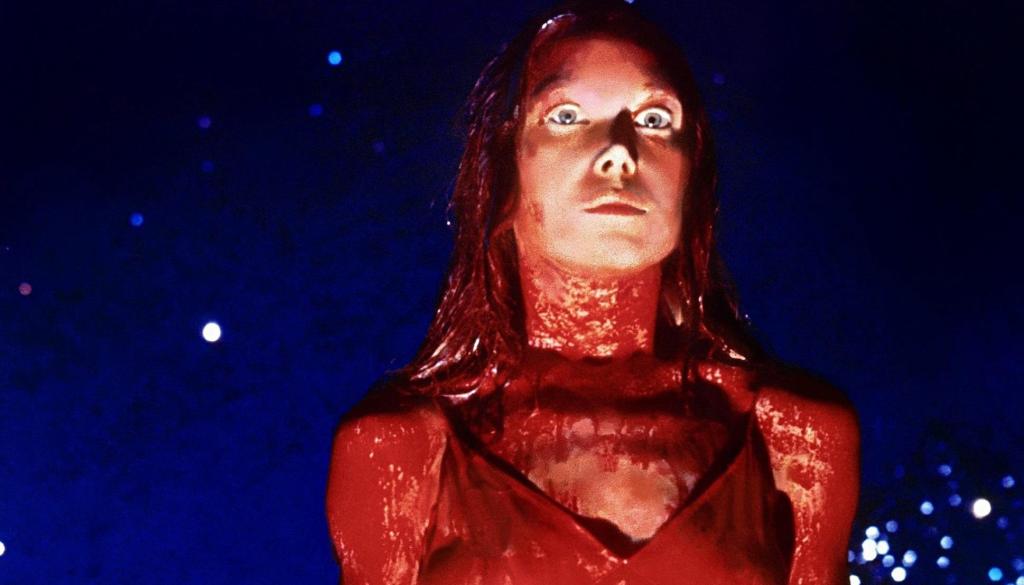
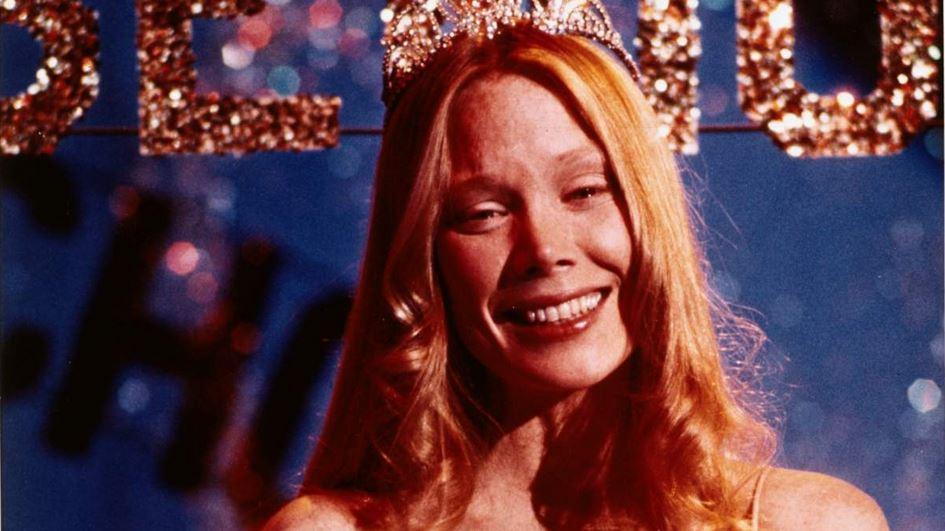
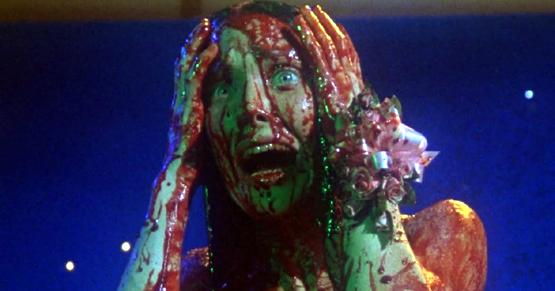
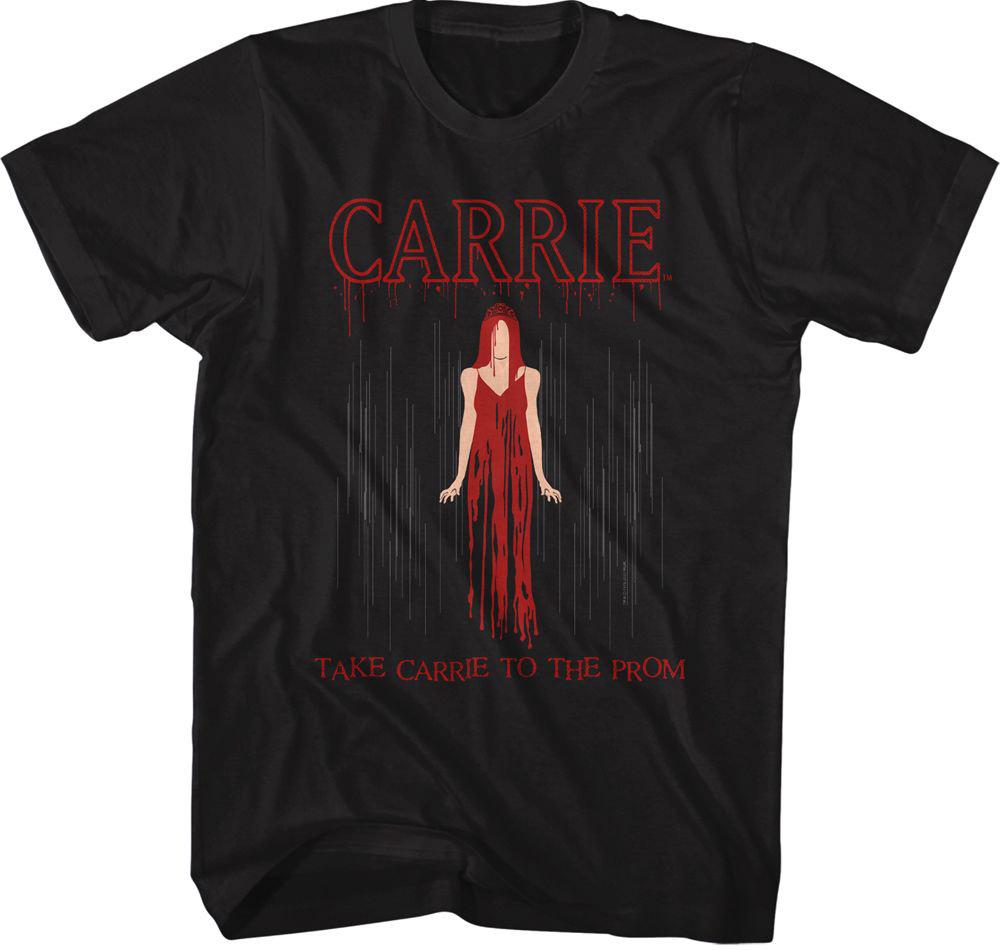
The narrative reaches its climax at the prom night when a cruel prank by her classmates leads to an act of supernatural vengeance that no one could have foreseen.
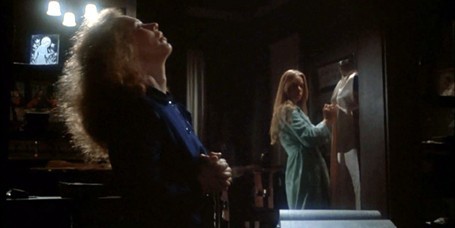
The film’s infamous ending, with the town in flames and the film’s final confrontation with her mother, has become one of the most discussed scenes in horror cinema.
Carrie: Cinematic Techniques
- Visual Style: De Palma employs a variety of camera techniques like split-screen, slow motion, and POV shots, which not only heighten the tension but also immerse the audience in the film’s world.
- The use of red filters during the prom scene is particularly effective, symbolizing both Carrie’s humiliation and the bloodshed that follows.
- Soundtrack: Pino Donaggio’s score adds a layer of gothic operatic drama to the film, enhancing the emotional and atmospheric impact of key scenes.
Performances
- Sissy Spacek: Her portrayal of Carrie White earned her an Academy Award nomination, capturing the character’s vulnerability, confusion, and eventual rage with profound authenticity.
- Piper Laurie: Equally compelling, Laurie’s depiction of Margaret White as a borderline psychotic, Bible-thumping mother was both frightening and pitiable, earning her an Oscar nod as well.
Carrie: Cultural Impact
This film was not only a commercial success but also a cultural touchstone. It has influenced numerous works in the horror genre and beyond, exploring themes of bullying, isolation, and the consequences of repressed anger.
- Remakes and Adaptations: The story has seen a remake in 2013 and a Broadway musical, both testaments to the story’s enduring appeal.
- Social Commentary: The film’s depiction of high school dynamics and the cruelty of peer pressure remains relevant, making it a timeless narrative about the perils of misunderstanding and mistreatment.
Why “Carrie” Still Resonates
The film transcends the horror genre because it taps into universal experiences of adolescence, identity, and the quest for acceptance. Its final message, “If only they knew she had the power,” serves as a chilling reminder of the unseen depths within each person, especially those we least expect.

“Carrie” is more than just a horror film; it’s a study in human psychology, a critique of society, and a masterful blend of storytelling and cinematic technique.
Whether you’re revisiting this classic or experiencing it for the first time, “Carrie” continues to shock, scare, and resonate with audiences around the world.
“Have you seen ‘Carrie’? Share your thoughts or memories of this horror classic in the comments below!”
Leave a Reply

Carrie was a commercial and critical success, grossing over $33 million at the box office. The film received multiple Academy Award nominations, including Best Actress for Spacek.

Fun Facts about “Carrie”
– Carrie was director Brian De Palma’s first foray into the horror genre.
– The film’s opening scene, in which Carrie is showered with blood after her first period, was inspired by a similar scene in the film The Exorcist (1973).
– It was the first film to ever use the “bucket of blood” effect, which has since become a staple of horror films.
– Carrie Movie 1976’s prom scene was shot in just two days.
– The film was originally going to end with Carrie being committed to an asylum, but director Brian De Palma decided to change the ending to make it more ambiguous.
– The original ending of Carrie was ultimately used in the sequel, Carrie 2: The Rage (1999).
– Sissy Spacek’s performance in Carrie earned her an Academy Award nomination for Best Actress.
– The film was selected for preservation in the National Film Registry by the Library of Congress.
– Carrie is considered by many to be one of the best horror films of all time.
Cast of Carrie – 1976
Sissy Spacek … Carrie
Piper Laurie … Margaret White
Amy Irving … Sue Snell
William Katt … Tommy Ross
John Travolta … Billy Nolan
Nancy Allen … Chris Hargenson
Betty Buckley … Miss Collins
P.J. Soles … Norma
Priscilla Pointer … Mrs. Snell
Sydney Lassick … Mr. Fromm
Stefan Gierasch … Mr. Morton
Michael Talbott … Freddy
Doug Cox … The Beak
Harry Gold … George
Noelle North … Frieda
Cindy Daly … Cora
Deirdre Berthrong … Rhonda
Anson Downes … Ernest
Rory Stevens … Kenny
Edie McClurg … Helen
Cameron De Palma … Boy on Bicycle